
That annoying gray streak on your pristine white kitchen cabinet appeared overnight—probably from your vacuum cleaner bumping against it or the refrigerator door swinging too close. Unlike actual scratches that require refinishing, these surface-level scuff marks are just rubber or plastic residue that can be removed safely with the right approach. Knowing exactly how to remove scuff marks from kitchen cabinets saves you from costly repairs and prevents the common mistake of using abrasive cleaners that strip your cabinet finish permanently.
Kitchen cabinets endure daily abuse from appliances, furniture, and everyday activities, yet most homeowners panic when they see these marks, reaching for the nearest “miracle” cleaning product. The truth is, scuff marks disappear when wet but reappear when dry, proving they’re just surface residue. This guide gives you proven, finish-safe methods to eliminate scuff marks while protecting your cabinet investment—whether you have painted, stained wood, or vinyl decal surfaces.
Identify Your Cabinet Finish Before Cleaning
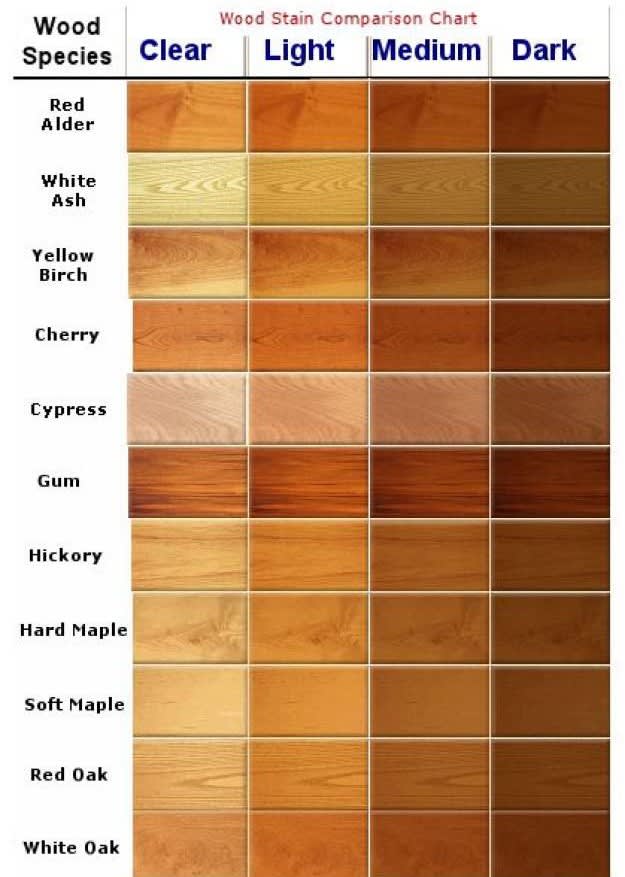
Choosing the wrong cleaner for your cabinet type causes more harm than the scuff mark itself. This critical first step takes just two minutes but prevents irreversible damage to your kitchen’s most visible surfaces.
Painted vs. Stained Wood vs. Vinyl Decal Surfaces
Painted cabinets (glossy or matte) make up 60% of modern kitchens but vary dramatically in durability—older painted finishes chip easily while newer epoxy paints withstand more aggressive cleaning. Stained wood cabinets require different approaches based on wood type and stain darkness, while vinyl decal surfaces (common on budget cabinets) have printed graphics that Magic Erasers will permanently remove.
Quick Finish Verification Test
Before applying any cleaner, press a damp paper towel against the scuff mark. If the mark vanishes when wet but returns dry, you’re dealing with a true scuff mark—not a scratch. For questionable surfaces, rub a tiny drop of naphtha on an inconspicuous cabinet edge. If the finish bubbles or changes texture, stop immediately—you’ve found your cabinet’s cleaning limit before causing visible damage.
Safe Cleaning Products for Cabinet Scuff Marks
Your cabinet’s finish determines which products will remove scuff marks without damage. Build your scuff-removal kit with these finish-specific solutions before touching your cabinets.
Must-Have Products for Every Finish Type
- Naphtha (lighter fluid): Removes 90% of scuff marks safely across all finishes when used sparingly
- Simple Green all-purpose cleaner: Non-toxic alternative for light scuffs
- Automotive wax: Restores uniform shine after cleaning
- Soft microfiber cloths: Prevents micro-scratches during cleaning
- Cotton swabs: For precision work around cabinet edges
Products That Damage Cabinet Finishes
Magic Erasers seem like the perfect solution but strip paint from matte finishes and remove color from vinyl decals. Abrasive scrub pads create permanent texture differences, while bleach-based cleaners discolor wood stains. Always test products on hidden areas first—your kitchen cabinets aren’t worth risking with unproven cleaners.
How to Remove Scuff Marks from Painted Cabinets
Painted cabinets suffer most from improper cleaning attempts. Follow this targeted approach based on your paint’s condition and sheen.
Glossy Painted Cabinet Scuff Removal
- Dampen microfiber cloth corner with naphtha (no dripping)
- Rub scuff mark using feather-light pressure in circular motions
- Check progress every 10 seconds—stop if paint texture changes
- Wipe clean with dry cloth section
- Apply automotive wax to restore uniform sheen
For stubborn marks, moisten Magic Eraser with water, squeeze out excess, and use one-second taps rather than scrubbing. If paint transfers to the eraser, switch to naphtha immediately—glossy finishes can withstand brief Magic Eraser contact but matte finishes cannot.
Matte Finish Paint Warning
Matte finishes show scuff marks more prominently but are three times more vulnerable to cleaning damage. Never use Magic Erasers on matte cabinets—start with Simple Green diluted 50% with water. If marks persist, try naphtha with a single pass using minimal pressure. Matte finishes rarely require waxing afterward as it can create shiny spots.
Vinyl Decal Cabinet Scuff Mark Removal

Those wood-grain or patterned cabinet fronts have printed vinyl surfaces that cleaners permanently damage. Most homeowners unknowingly ruin these finishes with standard cleaning products.
The One Safe Cleaning Method
- Apply naphtha to soft cloth corner (never directly on cabinet)
- Gently wipe scuff mark using edge-to-center motion
- Stop immediately if decal edges lift or color fades
- Buff with dry cloth to remove residue
- Apply furniture polish to protect the surface
Never use Magic Erasers on vinyl decals—they remove the printed color permanently, leaving ghostly patches that require full cabinet replacement. If scuffs persist after two naphtha attempts, consult a cabinet refinisher—vinyl surfaces can’t be repaired once damaged.
Wood Stained Cabinet Scuff Solutions
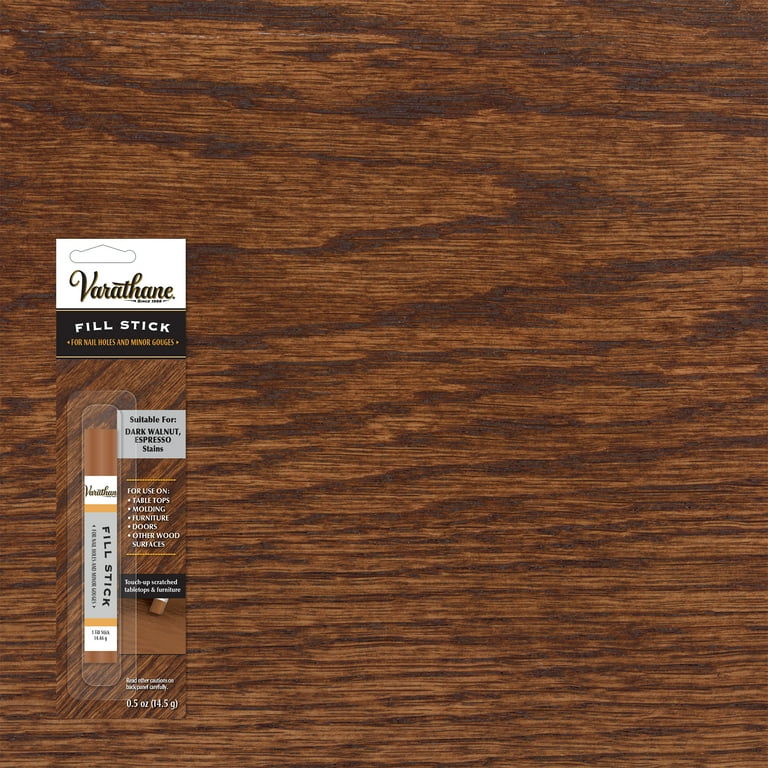
Natural wood cabinets respond differently to scuff removal based on stain darkness and wood type. Dark walnut requires different handling than light oak finishes.
Dark Wood Stain Touch-Up Technique
For dark-stained cabinets with persistent scuffs:
– Dip cotton swab tip in iodine (found in pharmacies)
– Apply one drop directly to scuff mark
– Blend edges with dry swab corner
– Allow 5 minutes drying time
– Apply furniture polish to seal
Critical tip: Iodine permanently darkens wood—test in hidden area first. For light wood stains, use walnut oil instead of iodine to avoid creating dark spots.
Step-by-Step Scuff Mark Removal Process
Follow this universal sequence for scuff mark removal success across all cabinet types:
The 3-Step Scuff Elimination System
1. Gentle First Attempt
– Mix warm water with 2 drops dish soap
– Dampen cloth, wring until nearly dry
– Rub mark for 30 seconds with light pressure
– Dry thoroughly with clean towel
2. Mid-Strength Solution
– Apply naphtha to cloth corner
– Rub mark using circular motions
– Check progress every 10 seconds
– Stop if surface texture changes
3. Last Resort Method
– Dampen Magic Eraser slightly
– Use tapping motion (not scrubbing)
– Maximum 15 seconds per spot
– Follow with automotive wax immediately
Stop immediately if you see paint transferring to cloth, surface sheen changing, or decal edges lifting—these indicate irreversible damage is occurring.
Preventing Future Kitchen Cabinet Scuff Marks
The real solution isn’t just removing existing scuffs—it’s stopping them before they happen. Implement these protective measures during your next kitchen cleaning session.
Appliance Contact Prevention System
- Install felt pads on refrigerator and dishwasher edges
- Adjust vacuum cleaner height to clear base cabinets
- Add cabinet door bumpers to limit swing range
- Apply clear protective film to high-contact zones
Monthly Cabinet Maintenance Routine
- Dust cabinets with microfiber cloth (no chemicals)
- Apply furniture polish every 6-8 weeks
- Inspect for new scuffs during routine cleaning
- Address marks within 48 hours—fresh scuffs remove easily
Your kitchen cabinets can maintain their showroom appearance for years with these simple preventive steps. Remember: gentle methods work best for scuff removal, and identifying your cabinet finish before cleaning prevents costly mistakes. When in doubt, start with the mildest solution—naphtha works on 90% of scuff marks without damaging finishes. With these techniques, you’ll keep your kitchen looking pristine without expensive professional help or cabinet replacement costs.