You’re assembling a new cabinet and suddenly notice a sticky trail of wood glue creeping across your quartz countertop. Heart pounding, you grab a paper towel—only to smear the adhesive into a permanent-looking stain. Don’t panic: 95% of glue spills can be fully removed if you use the correct method for your specific countertop material within 24 hours. This guide cuts through confusing online advice to deliver precise, material-tested solutions. You’ll learn why scraping with a credit card works on laminate but ruins marble, when acetone is safe (and when it voids warranties), and how to erase even dried glue in under 15 minutes. Most importantly, you’ll never accidentally etch your countertop again.
Stop Glue Spills Before They Harden: Wet vs. Cured Tactics
Blot Wet Glue in 10 Seconds Flat
Grab a damp paper towel the moment glue hits your counter—but never wipe. Blotting lifts adhesive without spreading it into pores. For laminate or unknown finishes, press gently for 15 seconds then discard the towel. On quartz, granite, or stainless steel, dampen a corner with 100% acetone first to dissolve fresh glue, then wipe with soapy water immediately. Stone or wood? Stick to warm soapy water only—acetone will strip protective sealants. Remember: wiping smears glue deeper, while blotting lifts it cleanly.
Dry Glue? Skip the Razor Blade Trap
When glue dries into a hard lump, your instinct to scrape aggressively could gouge surfaces. Plastic scrapers lift cured glue safely on all countertops if used correctly. Hold your credit card or plastic razor at a 15-degree angle and push away from yourself—never pull toward you. On stainless steel or concrete, you can press firmly, but on laminate or wood, use feather-light pressure. If glue resists, soften it first with heat or solvent (detailed below). Forcing a scraper causes micro-scratches that trap future stains.
Countertop-Safe Glue Removal Toolkit
Use these tools with confidence:
– Plastic scrapers (credit cards work in a pinch)
– 100% acetone (clear, uncolored nail polish remover)
– 70% isopropyl alcohol in a spray bottle
– Hair dryer on low heat setting
– Microfiber cloths and cotton swabs
Never risk these:
– Metal blades on stone, laminate, or wood (causes permanent scratches)
– Vinegar or citrus cleaners on marble/granite (etches surfaces)
– Scrub pads on any countertop (creates dull swirl marks)
– Heat guns on laminate (warps the surface)
Universal Glue Removal Methods That Work

Acetone Soak Technique for Non-Porous Counters
Quartz, granite, and stainless steel respond best to acetone. First, test in a hidden spot under your sink cabinet: apply acetone for 30 seconds, then wipe. If the surface looks cloudy or sticky, skip this method. If safe:
1. Soak a cotton ball in acetone and lay it directly on the glue
2. Wait 7 minutes (set a timer—overexposure damages finishes)
3. Gently scrape horizontally with a plastic card
4. Wash immediately with dish soap and dry with microfiber cloth
Critical warning: Acetone melts laminate and strips oil finishes on wood. Never use on these surfaces.
Low-Heat Softening for Delicate Countertops
Laminate, thin stone, and wood require gentle heat. Hold a hair dryer 6 inches from the glue on low heat for 90 seconds max. The glue should turn tacky but not smoke. Immediately scrape with a plastic card using light pressure. Reheat every 2 minutes if needed. Stop immediately if you smell burning—this means the glue or countertop is overheating. This method fails on thick epoxy glue; switch to freezing instead.
Ice Cube Shatter Method for Brittle Glue
Works on superglue, hot melt adhesive, and rubber cement. Press an ice cube in a zip bag onto the glue for 4 minutes until it turns chalky-white. Gently tap the glue with a plastic card—the cold makes it shatter. Wipe residue with olive oil on a cotton swab, then clean with soapy water. Avoid on porous stone—the oil can stain marble or unsealed granite.
Material-Specific Glue Removal Protocols
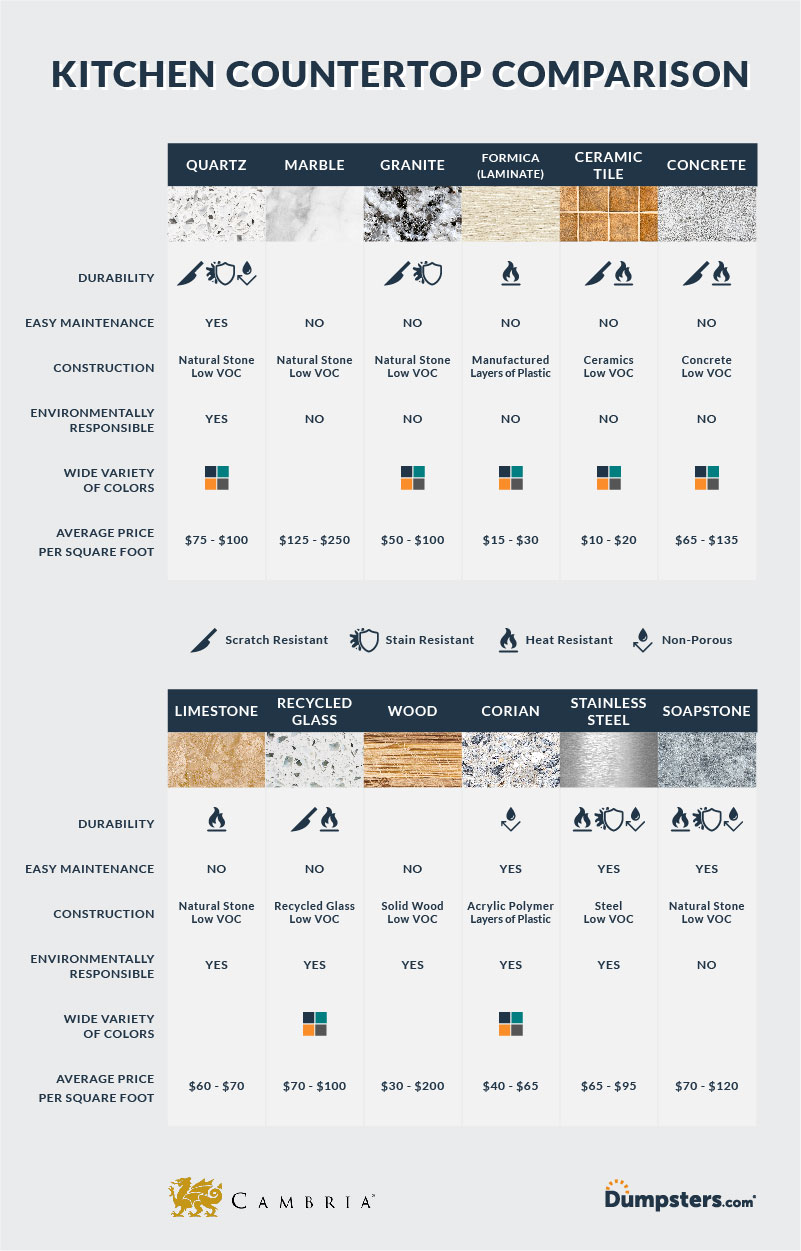
Laminate Countertop Rescue Plan
Acetone and heat will melt laminate’s plastic coating. Use only warm soapy water and alcohol:
1. Lay a warm, soapy cloth on the glue for 12 minutes
2. Scrape at a 10-degree angle with a plastic card
3. Dab isopropyl alcohol on stubborn residue with a cotton swab
4. Dry thoroughly—water left in seams causes swelling
Pro tip: Test alcohol on a hidden edge first. If the color bleeds, switch to peanut butter (the oils dissolve glue safely).
Quartz Countertop Acetone Protocol
Quartz tolerates brief acetone contact but requires precision:
1. Apply warm towel for 10 minutes to soften glue
2. Scrape with plastic card using moderate pressure
3. For residue, use acetone on a cotton swab—blot for 20 seconds max
4. Wipe with soap and water to prevent streaks
Key detail: Acetone can discolor some quartz brands. Always test under the counter lip first.
Granite and Marble Etch Prevention
Natural stone hates liquids and acids. Never soak or use vinegar:
1. Dry scrape with plastic card first
2. If glue remains, touch acetone to a cotton swab and dab for 15 seconds
3. Wipe immediately with dry microfiber cloth
4. Re-seal the spot with stone sealer if it looks dull
Critical step: Skip step 2 if your stone has a honed (matte) finish—acetone may leave a permanent glossy spot.
Corian Countertop Acetone Flood Method
Corian’s acrylic surface welcomes acetone. Manufacturers confirm this approach:
1. Pour 100% acetone directly onto the glue until it pools
2. Wait 5 minutes—glue turns clear and liquid
3. Scrape with a plastic dinner knife held parallel to the surface
4. Repeat 2-3 times until clean
Advanced fix: For scratches after removal, rub with 400-grit wet/dry sandpaper in circular motions, then polish with car wax.
Wood Countertop Oil-Safe Process
Water and acetone ruin wood finishes. Preserve your butcher block:
1. Dry scrape with plastic card using minimal pressure
2. Soften glue with 60 seconds of hair dryer heat
3. Dab residue with alcohol on a swab—wait 10 seconds, then wipe dry
4. Apply mineral oil to the spot to restore protection
Never soak wood: Even 30 seconds of moisture can raise the grain permanently.
When Professional Help Is Non-Negotiable
Call a countertop specialist immediately if:
– Glue covers more than a 6-inch square (larger areas risk uneven cleaning)
– You see white haze on marble after cleaning (indicates etching)
– The glue penetrated grout lines on tile counters
– Your warranty requires manufacturer-approved methods
Proven cost saver: Most countertop companies charge $150–$300 for glue removal—less than replacing a damaged section.
Build Your 60-Second Glue Spill Emergency Kit
Store this under your sink for instant access:
– Silicone mat (creates instant work surface shield)
– 2-oz acetone bottle (for quartz/granite emergencies)
– 2-oz alcohol bottle (safe for laminate/wood)
– 5-pack plastic scrapers (one for each countertop type)
– Microfiber cloths (lint-free drying)
Time-saving hack: Label bottles “QUARTZ ONLY” and “LAMINATE SAFE” in red marker—prevents dangerous mistakes during panic moments.
Glue Removal Final Protocol
Never again face a glue spill with uncertainty. Blot wet glue immediately, test solvents in hidden spots, and match your method to your countertop’s material—never to the glue type. Laminate demands alcohol and heat, quartz tolerates brief acetone, and wood requires oil-based cleanup. Keep your emergency kit stocked, and you’ll remove future spills in under 90 seconds. Remember: gentle scraping beats aggressive scrubbing every time. With these precision techniques, your kitchen counter will stay flawlessly smooth through every DIY project.