You’ve probably stood in front of your refrigerator, staring at wilted produce while wondering how it got there. Meanwhile, the average American household throws away enough food each week to feed another person for a full day. The staggering reality is that learning how to reduce kitchen waste isn’t just an environmental virtue—it’s a financial necessity. When you implement proven strategies to minimize food waste, you’re not just helping the planet; you’re potentially saving nearly $3,000 every year while shrinking your carbon footprint.
This guide cuts through overwhelming statistics to deliver actionable, kitchen-tested methods you can implement immediately. Forget perfect zero-waste ideals—these are realistic approaches designed for busy households with imperfect schedules. From mastering your refrigerator’s hidden zones to transforming yesterday’s scraps into delicious meals, you’ll discover how to make your kitchen work smarter, not harder, against waste.
Track Your Kitchen Waste Patterns Accurately
Identify Your Top Wasted Foods in One Week
Before you can fix what’s broken, you need to see it clearly. Grab a magnetic notepad and attach it to your refrigerator door. For seven days, write down every food item you discard—not just the obvious rotting produce, but also half-used containers and leftovers that never made it to the table. Most families discover they consistently waste the same ten items: carrots, meat, eggs, deli meat, avocados, bread, milk, apples, bananas, and lettuce.
Quick Action: Set up your phone to automatically record voice memos of wasted items as they happen. This eliminates the need to remember later and creates an audio log you can review on your commute.
Calculate Your Exact Financial Loss
The average family of four wastes $56 worth of food weekly—that’s like throwing away a full tank of gas every single week. Multiply this by 52, and you’re likely losing between $2,500 and $3,000 annually on food that never gets eaten. When food prices seem to rise monthly, these savings become even more significant. Imagine what you could do with an extra $250 each month—vacation fund, home repairs, or simply breathing easier with less financial stress.
Optimize Your Refrigerator Storage Immediately
Set Precise Temperature Zones
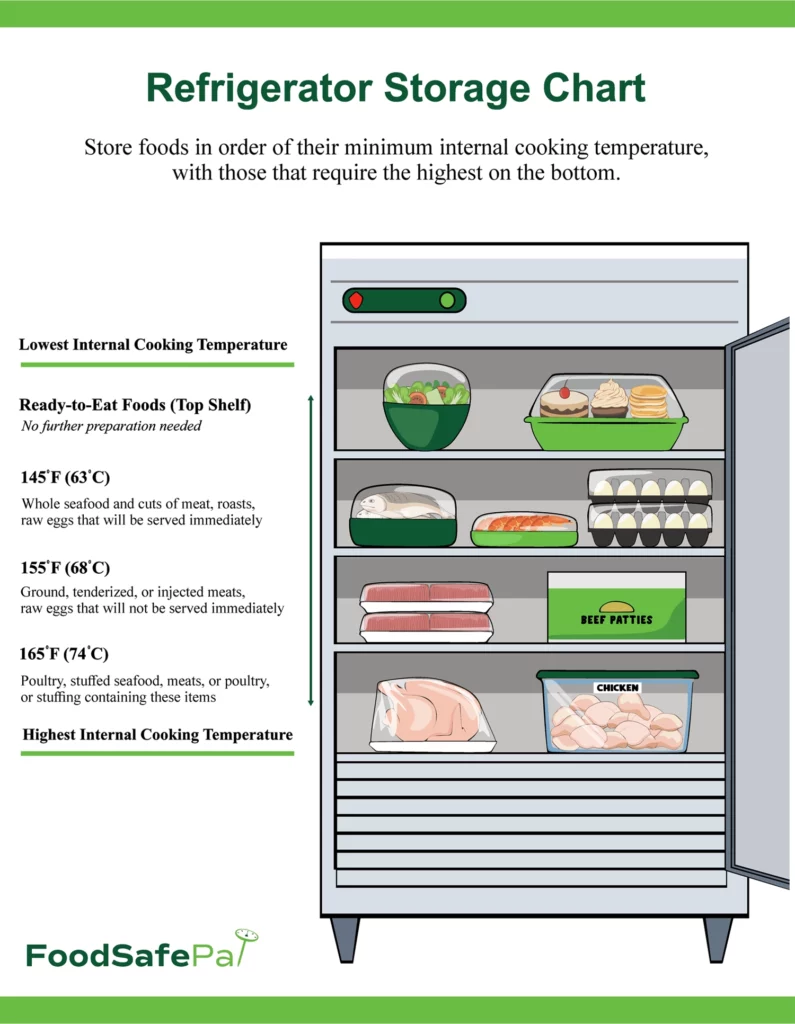
Your refrigerator isn’t one uniform cold space—it contains multiple temperature zones requiring strategic organization. Set your main compartment to 40°F or below and your freezer to 0°F, then place an independent thermometer inside for 24 hours to verify accuracy. Many built-in displays are off by 5-10 degrees, creating false confidence in your food’s safety.
Critical Warning: Raw meat, poultry, and fish must always go on the lower shelves where temperatures stay consistently coldest, and always on a plate to prevent cross-contamination drips.
Master Crisper Drawer Science
Your refrigerator’s crisper drawers work differently than you might think. The high-humidity drawer (usually marked with a leaf symbol) maintains moisture to prevent wilting—perfect for leafy greens, carrots, broccoli, and cucumbers. The low-humidity drawer (marked with a fruit symbol) allows ethylene gas to escape, making it ideal for fruits and vegetables prone to rotting like mushrooms, peppers, and apples.
Pro Tip: Store leafy greens with a dry paper towel inside their container to absorb excess moisture that causes spoilage.
Shop Smarter Using Kitchen Reality Checks
Conduct Pre-Shop Kitchen Audits
Spend ten focused minutes checking your pantry, refrigerator, and freezer before creating your shopping list. This simple habit prevents “I forgot I already had this” waste that plagues most households. Keep a running digital list on your phone of staple items you consistently use—update it after each grocery trip based on what actually got consumed.
Time-Saving Shortcut: Use your phone’s camera to photograph the inside of your refrigerator before heading to the store. When tempted by bulk deals, check your photo to verify actual space and need.
Embrace Imperfect Produce Economics
“Ugly” fruits and vegetables typically cost 30-50% less than their cosmetically perfect counterparts while tasting identical. Many grocery stores now discount these items daily near closing time. Build relationships with produce managers—they’ll often set aside your preferred items when they receive shipments of cosmetically challenged produce.
Transform Leftovers into Next-Day Meals
Implement the “Eat This First” Shelf System
Designate your refrigerator’s eye-level shelf exclusively for items requiring immediate use. Move anything with less than three days of freshness here, including half-used vegetables, opened sauces, and leftovers. Train your family to check this shelf before grabbing anything new—this simple visual reminder cuts household waste by up to 25%.
Revive Aging Ingredients with Pro Techniques
Wilted Lettuce: Submerge in ice water for 10 minutes to restore crispness—works for most leafy greens and herbs.
Brown Bananas: Freeze for smoothies or mash for banana bread—overripe fruit actually has sweeter flavor.
Stale Bread: Cube and freeze for croutons, or soak in egg mixture for French toast—the drier the bread, the better it absorbs.
Soft Vegetables: Roast with olive oil and garlic to intensify flavor and extend life by several days.
Decode Confusing Food Date Labels

Understand What Dates Actually Mean
“Sell By”: This is store inventory guidance, not a safety indicator. Your milk is likely good for 5-7 days past this date if properly refrigerated.
“Use By”: Represents peak quality, not safety (except for infant formula). Many foods remain safe weeks beyond this date.
“Best By”: Flavor quality marker only. Canned goods often remain safe for years past this date.
Safety Test: When uncertain, rely on your senses. Food that looks, smells, and tastes normal is usually safe if stored properly. Exceptions include poultry, seafood, and dairy products showing significant texture changes.
Build Simple Composting into Your Routine
Choose the Right System for Your Space
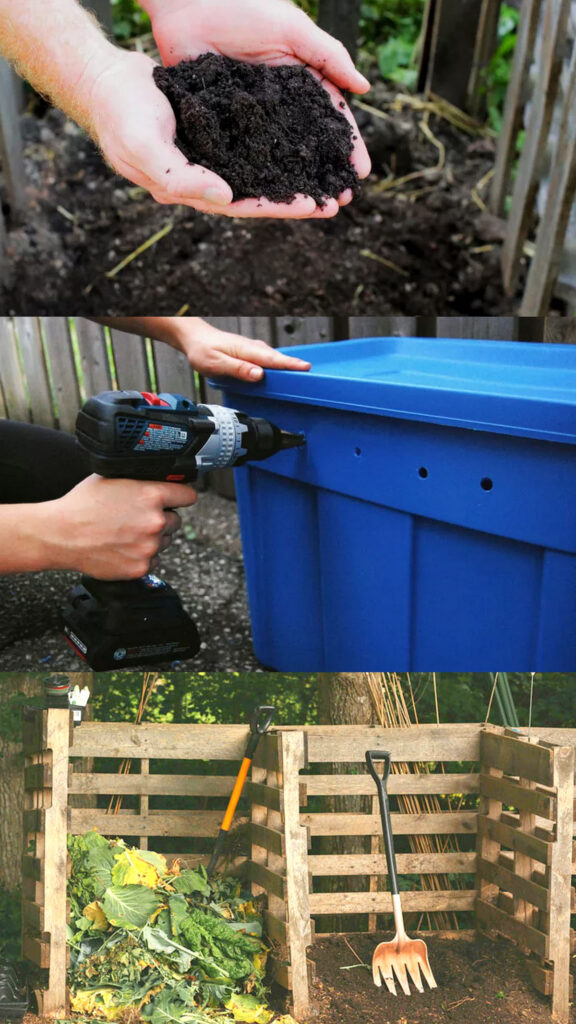
Apartment Dwellers: Electric composters like Lomi fit on countertops and process scraps in 3-5 hours with minimal odor.
Small Spaces: Vermicomposting uses worms in compact bins that fit under sinks or in closets.
Yard Owners: Traditional compost tumblers handle larger volumes efficiently with minimal maintenance.
Critical Rule: Never compost meat, dairy, oils, or cooked food—these attract pests and create odors. Stick to fruit and vegetable scraps, coffee grounds, and eggshells.
Leverage Technology for Waste Prevention
Essential Food Waste Apps for Busy Households
Too Good To Go: Purchase “surprise bags” from restaurants and stores near closing time at up to 50% off.
Flashfood: Buy soon-to-expire groceries directly through your grocery store’s app at significant discounts.
Olio: Share surplus food with neighbors—perfect for garden excess or pantry cleanouts.
The Kitche: Track expiration dates and receive alerts before food spoils, with smart shopping list integration.
Pro Tip: Download the USDA’s FoodKeeper app for instant guidance on how long foods last in your refrigerator, freezer, or pantry—simply search any food item for storage best practices.
Creative Reuse Strategies Beyond the Kitchen
Transform Scraps into Beauty Products
Lemon Nail Treatment: Rub lemon halves on fingernails for 5 minutes, then rinse with warm water for natural brightening.
Coffee Facial Scrub: Mix fine used coffee grounds with coconut oil for a weekly exfoliating treatment.
Citrus Air Freshener: Simmer orange peels in water with cinnamon sticks for a natural, chemical-free home fragrance.
Garden Applications for Kitchen Scraps
Banana Peel Fertilizer: Soak peels in water overnight, then use the nutrient-rich water for houseplants.
Regrow Vegetables: Plant green onion bottoms, lettuce cores, or celery bases in water for continuous harvests.
Soil Amendment: Crushed eggshells add calcium to garden soil, while coffee grounds improve drainage and acidity.
Implement a Four-Week Waste Reduction Plan
Week 1: Foundation Building
Complete a comprehensive kitchen inventory, establish a simple meal planning routine, set up your waste tracking system, and adjust refrigerator and freezer temperatures to optimal settings. This foundational week identifies your starting point and creates awareness.
Week 2: Storage Optimization
Reorganize your refrigerator using zone principles, separate ethylene producers from sensitive produce, label and date all items using painter’s tape, and begin freezing strategic portions of frequently wasted items.
Week 3: Creative Utilization
Start a vegetable scrap collection bag in your freezer for homemade stock, experiment with three leftover transformation recipes, practice revival techniques for aging produce, and research local food donation opportunities.
Week 4: Advanced Systems
Choose and implement your composting method, download and actively use one food waste app, establish your “Eat This First” system, and schedule monthly waste audits with adjustment reviews.
Maintain Long-Term Success with Seasonal Adjustments
Conduct Monthly Waste Audits
Review your waste log monthly to identify new patterns. Adjust shopping lists and meal plans based on what you consistently discard. Share findings with family members to build collective awareness—this simple habit prevents backsliding into old patterns.
Adapt Strategies to Seasonal Changes
Modify your meal planning and storage techniques seasonally. Summer’s abundance of fresh produce requires different handling than winter’s focus on root vegetables and preserved items. Adjust freezer space allocation and preservation methods as the seasons change—this keeps your system relevant year-round.
Final Note: Start with just one strategy from this guide—perhaps the “Eat This First” shelf or the weekly waste log. Master it completely before adding another technique. Within a month, you’ll wonder how you ever managed your kitchen any other way, and you’ll begin seeing real savings in both money and environmental impact. How to reduce kitchen waste isn’t about perfection—it’s about consistent progress toward a more efficient, sustainable kitchen.