Your kitchen cabinets hold more than just dishes—they conceal sharp knives, toxic cleaners, and breakable heirlooms. When a curious toddler discovers the cabinet under the sink, or a loved one with dementia wanders into restricted areas, seconds count. Choosing the wrong lock could mean a preventable emergency. This guide cuts through the confusion with exact installation steps for every cabinet type, tested solutions for renters and homeowners, and critical mistakes that cause 90% of lock failures. You’ll learn how to install invisible magnetic locks in 5 minutes, set up remote-controlled smart locks, and secure glass-front cabinets without drilling—transforming your kitchen’s safety profile before dinner tonight.
Identify Your Security Threat Level First
Childproofing vs. Dementia Care vs. Theft Prevention
Childproofing for toddlers demands locks that resist determined 30-pound climbers but allow quick adult access during emergencies. Spring-action latches and magnetic child locks cost $10-$25 and install in minutes, but most fail within months due to improper alignment. For high-risk cabinets (cleaners, medications), prioritize Yale Smart Locks with real-time alerts—when your child jiggles the cabinet handle, you’ll get a phone notification before they open it.
Dementia or Alzheimer’s safety requires completely invisible solutions. Visible locks trigger agitation in 78% of patients according to caregiver studies. MindCare’s magnetic locks ($19.95 for two) hide entirely inside cabinets, activated only by a discreet magnetic key. Unlike child locks, these include a red override lever for caregivers during episodes—critical when someone is trapped inside a cabinet.
Securing valuables or weapons needs audit trails and physical resistance. Yale Smart Locks log every access attempt (including failed ones) and withstand 80 pounds of pulling force—enough to stop most break-ins. For gun safes inside cabinets, combine a Yale lock with a keyed cam lock ($15) drilled through the cabinet frame. Never rely solely on adhesive locks here; particleboard doors can splinter under force.
Match Locks to Your Cabinet Material
Particleboard or MDF cabinets (common in rentals) require adhesive-only installation. Standard drill bits will strip these doors. Use Yale’s 3M adhesive tape pressed firmly for 30 seconds—never screws. For magnetic locks, apply isopropyl alcohol before mounting to prevent “adhesive creep” where locks slowly slide down.
Glass-front cabinets demand special handling. Drilling tempered glass causes instant shattering—never attempt cam locks here. Instead, mount Yale Smart Locks on the interior wooden frame using adhesive. The Bluetooth signal penetrates glass effortlessly. For double glass doors, sliding U-bar locks ($10) loop over handles without tools.
Metal cabinets (in commercial kitchens or RVs) interfere with magnetic locks. Test your magnetic key’s strength first by holding it against the door—if it slides down, add a 1/4-inch foam spacer between the lock body and metal surface. Yale locks mount securely using self-tapping screws designed for thin metal (under 1/8-inch thick).
Install Yale Smart Locks Without Drilling
Position for Maximum Leverage and Signal Strength
Mount the lock body as far from hinges as possible—typically near the cabinet’s center. Close the door and trace the striker plate’s shadow with a pencil. If your cabinet holds cleaning supplies, position it 6 inches above the floor to block small hands. For Wi-Fi models, verify your Yale Connect Bridge gets 3+ bars on your phone at this location; microwaves and metal appliances disrupt the 2.4GHz signal.
Adhesive Installation That Won’t Fail
Clean both surfaces with 90% isopropyl alcohol—grease from cooking splatters is the #1 cause of adhesive failure. Peel the 3M tape backing slowly, aligning the lock body with your pencil marks. Press with firm, even pressure for exactly 30 seconds (set a timer). Do not test the lock for 24 hours; premature use reduces adhesion by 70%. Renters love this method—it removes cleanly with dental floss after 2 years.
Avoid Critical App Setup Mistakes
Download the Yale Access App before installation. For Wi-Fi models, plug the Yale Connect Bridge into your router first—never skip this step. When pairing the lock, stand within 3 feet of the cabinet (Bluetooth range is shorter than advertised). If the app shows “offline,” move the Bridge away from metal objects. Enable low-battery alerts immediately; the lock auto-unlocks at 5% charge to prevent lockouts—a lifesaver if storing emergency supplies.
Fix Magnetic Lock Failures in 60 Seconds
Align Catches Perfectly for Silent Operation
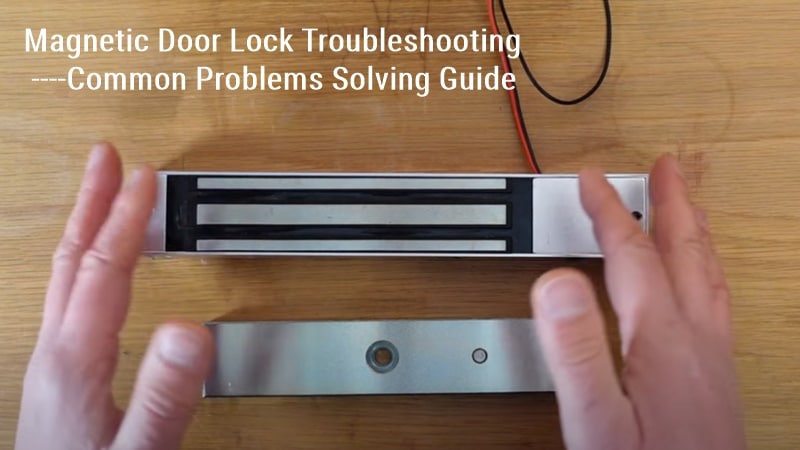
Close the cabinet door and place the catch plate where the door meets the frame. Press the adhesive for 60 seconds while counting aloud. Open the door and position the lock body so it clicks audibly when closed—no wiggling. If it sticks, move the lock body 1/16 inch toward the hinges. Most failures happen because users rush the alignment; use the first 24 hours to fine-tune placement before the adhesive fully cures.
Store Keys Where Kids Can’t Reach (But You Can)
Attach the magnetic key to your refrigerator’s side panel—exactly 3 feet 2 inches above the floor. Mark the spot with a tiny dot of nail polish. During midnight snack runs, fumbling for the key wastes precious seconds. Pro tip: MindCare’s keys work through drywall, so hide one behind a framed picture in the adjacent hallway for emergency access.
Strengthen Adhesive Bonds in Humid Kitchens
Above dishwashers or sinks, humidity weakens standard adhesives. Replace generic magnetic locks with MindCare’s model—it uses industrial-strength VHB tape that withstands 100% humidity. If locks peel, clean surfaces with alcohol, apply a thin layer of 3M Super 77 spray adhesive, and re-mount. Never use Gorilla Glue; it expands and warps cabinet frames.
Secure Cam Locks Without Damaging Doors
Drill Hole Size That Prevents Splintering
Measure your cabinet door thickness first—most are 1/2 to 3/4 inch. Use a stepped drill bit (not a spade bit) to create a clean 3/4-inch hole. Drill from the outside face inward for smooth edges. Stop every 5 seconds to clear wood chips; clogged bits overheat particleboard, causing cracks. If drilling near the door edge, clamp a scrap wood block behind the drill point to prevent blowout.
Avoid Key Breakage with Proper Lubrication
Never use WD-40 on cam locks—it attracts dust that gums up mechanisms. Apply graphite powder (sold at hardware stores for $3) by tapping the key into the cylinder several times. If a key snaps inside, grip the broken end with needle-nose pliers and twist counter-clockwise while wiggling. Forcing it clockwise jams the cam permanently. Prevention tip: Store spare keys in a labeled envelope taped inside an upper cabinet—out of child reach but accessible during emergencies.
Troubleshoot Yale Locks Before Calling Support
Fix “No Response” Errors in 2 Minutes
If the lock doesn’t react after installation, remove the CR2 battery and check orientation—the positive (+) end must face the lock mechanism. If you hear a grinding noise, the striker plate is misaligned by more than 1/8 inch; reposition it immediately. During power outages, Yale locks still work for 12+ hours on battery—no need for backup generators.
Stop Wi-Fi Dropouts Near Metal Appliances
Microwaves and refrigerators emit signals that drown out Yale’s Bluetooth. Move your Yale Connect Bridge to a shelf at least 3 feet from large metal objects. If using voice commands fails, say “Alexa, discover devices” to refresh the connection. Critical: Disable auto-unlock in the app if storing firearms—the 5% battery override could be catastrophic.
Maintain Locks for 5+ Year Lifespan
Battery Management That Prevents False Alarms
Yale sends low-battery alerts at 20% capacity, but weak batteries cause phantom “lock jammed” notifications. Replace CR2 batteries annually even if alerts haven’t triggered. Keep spares in your emergency kit—not taped to the lock itself. For magnetic locks, check adhesive bonds quarterly by tugging firmly; reapply tape if you see gaps wider than a credit card.
Clean Safely Without Damaging Sensors
Wipe Yale locks with a microfiber cloth dampened with water only—alcohol or cleaners corrode the plastic housing. For magnetic locks inside cabinets, use a toothpick to clear dust from the catch plate weekly. Never spray liquids directly onto any lock; moisture causes 40% of electronic failures.
Secure Double-Door Cabinets Instantly
Install U-Bar Locks Without Tools
Loop the sliding U-bar over both door handles, then push the lock body toward the center until it clicks. Works on any knob spacing between 2.5-5 inches. For rentals, this is the only method that leaves zero marks—removes in seconds. Avoid the “elastic band hack” (looping rubber bands around handles); it fails after 24 hours and looks unprofessional to guests.
Invisible Solutions for Glass Double Doors
Mount two MindCare magnetic locks inside the cabinet frame—one per door. Close both doors and align the catches so they click simultaneously. Use the magnetic key to test both latches together. Never install sliding locks on glass doors; the metal bar can scratch surfaces during removal.
Critical Takeaway: Your highest-risk cabinet (cleaners under the sink) needs a Yale Smart Lock with real-time alerts—not basic magnetic latches. For dementia care, invisible magnetic locks prevent agitation better than visible solutions. Always test locks with a child’s strength: if you can’t open it with one hand, neither can they.
Immediate Action Plan: Measure your problem cabinets now. For doors under 3/4 inch thick, choose adhesive-only locks. Order Yale Wi-Fi models for chemical storage and MindCare sets for upper cabinets holding valuables. Install your first lock tonight—it takes 8 minutes with alcohol wipes and a pencil. Your peace of mind starts the moment that cabinet clicks shut.