Water spots blooming across your stainless steel sink. That sticky ring around the soap dispenser. The faint musty smell creeping from granite countertops after every dishwashing session. If your kitchen sink never stays dry, you’re fighting a daily battle most homeowners lose—not because they lack effort, but because they’re using the wrong techniques. The truth? Keeping your kitchen sink bone-dry takes just 15 seconds per use with the right tools and habits. Forget paper towels that disintegrate and cluttered countertops that trap moisture. This guide reveals proven methods used by professional organizers and material scientists to maintain a perpetually dry sink—starting today.
You’ll discover why standard dish towels fail (hint: it’s not about absorbency), how diatomite mats evaporate standing water in minutes, and the hand-drip prevention trick that stops counter puddles at their source. Whether you battle hard water stains in Arizona or live with granite counters in New York, these solutions work in real kitchens—not just Instagram-perfect setups.
15-Second Post-Use Wipe Sequence That Prevents Water Spots
Stop reaching for paper towels the moment you finish washing dishes. Your sink’s fate is sealed in the critical seconds after you turn off the faucet—and it requires zero extra effort. The secret lies in your towel choice and wipe pattern.
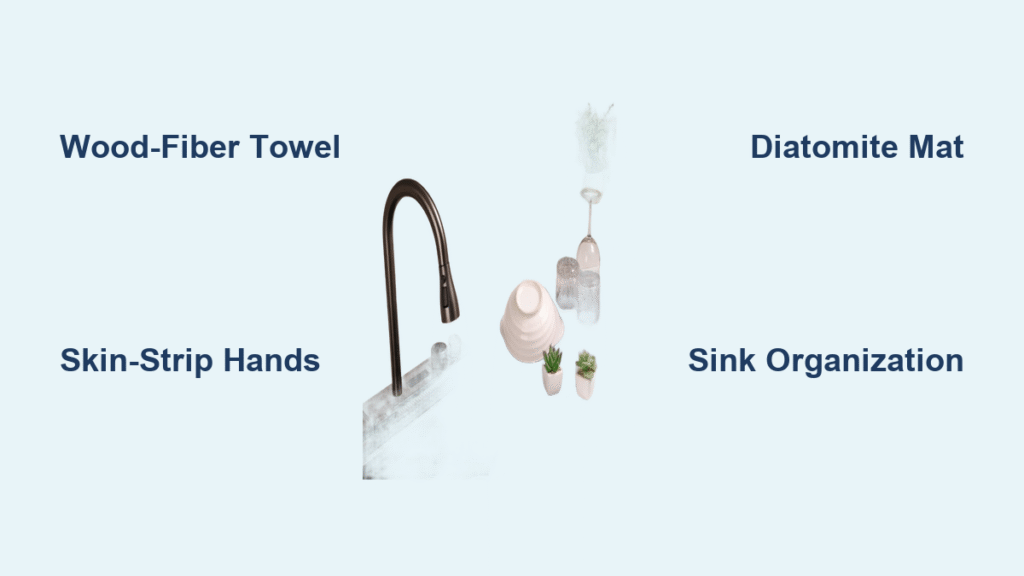
Ditch paper towels for wood-fiber dish towels. These 70% wood cellulose/30% cotton hybrids absorb 3x more water than cotton towels while resisting odors and lasting 3-5 years. Unlike paper towels that leave lint and dissolve, wood-fiber towels stay intact during aggressive wiping—critical for attacking water spots before minerals set.
Execute This Exact Wipe Pattern Every Time
- Shake hands palms-inward over the basin before touching the towel. This prevents droplets from flinging onto counters.
- Wipe the sink bowl in tight clockwise circles, starting from the drain and moving outward. This motion traps debris toward the center for easy rinsing.
- Run the towel vertically along faucet handles and spout, then finish with one straight pass across the counter strip between faucet and edge.
This entire sequence takes less time than refilling a paper towel holder. Crucially, it stops calcium deposits before they form—saving you from scrubbing stubborn stains later. Homeowners with granite counters report this alone eliminates 90% of permanent spotting.
Why Your Current Towel Routine Fails
Most people use thin cotton towels that push water around instead of absorbing it. Worse, they wipe after water pools on counters—too late to prevent mineral absorption. The wood-fiber towel’s dense weave soaks up moisture on contact, while its quick-dry properties prevent mildew buildup between uses.
Stop Hand-Drip Puddles With Skin-Stripping Technique
That puddle forming under your hand towel? It starts before you even grab the towel. Water clinging to your skin creates secondary drips that bypass your drying efforts entirely. Fix this at the source with two micro-habits:
The Skin-Stripping Method (Zero Splash Guaranteed)
Instead of shaking hands wildly over the sink, press the heel of one palm against your opposite wrist. Slide firmly toward your fingertips, channeling all water downward in one motion. Repeat on the other hand. This technique captures 95% of residual water—far more effective than shaking.
Immediately follow with the elbow-dispenser trick: Use your elbow to pump soap onto a towel already positioned over the counter strip. Keeping both hands directly over the basin eliminates the “reaching for soap” drips that create sticky rings. For best results, keep dedicated hand towels draped over both sides of the sink—never stored in a drawer.
Critical Towel Placement Hack
Fold your hand towel lengthwise and lay it across the counter strip between faucet and edge. This creates an instant moisture barrier that catches stray drips before they spread. When saturated, use the “siphon drain hack”: fold a paper towel into a triangle, tuck the wide end under the wet towel, and point the tip into the sink. Capillary action drains trapped water in 60 seconds.
Diatomite Mats That Evaporate Standing Water in Minutes
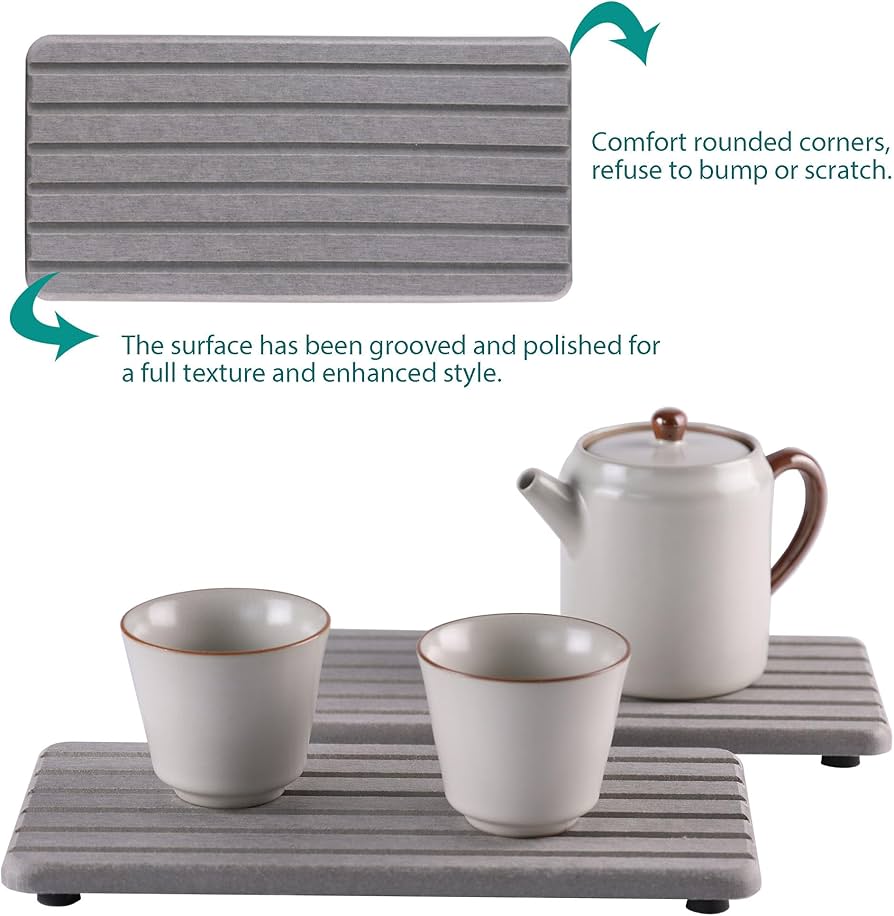
Forget rubber mats that trap moisture. Diatomite mats—made from compressed fossilized algae—absorb 2.5x their weight in water, then release it through microscopic pores in under 5 minutes. This isn’t just drying; it’s active evaporation.
Choose Your Mat Based on Counter Material
- For granite/quartz: Kehuo splash guard ($20 at Walmart). Its gray finish hides mineral stains better than white versions.
- For renters: NiuYichee 4-piece set ($15 on Amazon). Interchangeable shapes fit any sink configuration.
- For luxury kitchens: Dorai collapsible pad ($95). Silicone cover prevents scratching while allowing full evaporation.
Never skip rubber feet installation. Diatomite’s abrasive texture permanently etches soft stone counters within days. The included feet create essential airflow underneath—critical for rapid drying.
Save Your Mat From Warping and Stains
Diatomite mats fail when users treat them like ordinary trays. Follow this protocol:
– Rinse under tap water daily—no soap needed. Prop vertically against the backsplash to dry completely.
– Sand surface stains immediately with the included fine-grit paper. Baking soda paste works for stubborn spots.
– Rotate multiple mats if you have hard water. Saturation causes warping; alternating extends lifespan to 5 years.
Critical warning: Coffee, wine, and oil create permanent discoloration. If you place mugs near the sink, choose gray mats—they camouflage future stains better than white.
Sink Organization That Eliminates Counter Puddles

Your sponge is leaking. Your soap dish is pooling water. These “invisible” moisture sources create 70% of counter dampness—and they’re fixable in 60 seconds.
Install Inside-Sink Sponge Holders
Suction-cup holders (BPA-free plastic or stainless steel) mounted inside the sink basin position sponges directly over the drain. Water drips into the sink—not onto counters—every time you set down a sponge. Place it in the back corner to avoid interfering with dishwashing.
Pair with a self-draining soap solution: Angled diatomite trays elevate bar soap above its own moisture. For liquid soap, use pump dispensers with built-in caddies that suspend the sponge above sink level. Both prevent the slimy puddles that attract bacteria.
Banish Countertop Clutter With Vertical Storage
Cut counter moisture at its root: items sitting directly on surfaces. Store cutting boards vertically in a cabinet-mounted file holder—this eliminates the puddle that forms under leaning boards. For dish drying, install a pull-out rack inside a base cabinet. Dishes dry out of sight, with water draining into a removable tray.
Pro tip: Measure your sink width before buying roll-up racks. Most fit sinks up to 16 inches wide and double as oven-safe cooling racks (400°F). Perfect for small kitchens where counter space is precious.
Under-Sink Moisture Control You’re Ignoring
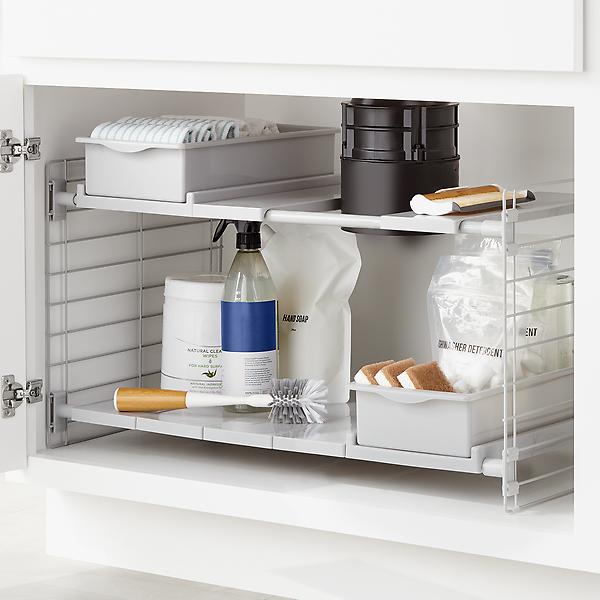
While you focus on visible areas, water migrates downward from the sink deck—causing musty odors and cabinet damage within months. Prevent this with strategic storage:
Only keep these under your sink:
– Cleaning products (in spill-proof containers)
– Small fire extinguisher
– Plumbing tools
Never store: Paper towels, dish soap refills, or electronics. Moisture-sensitive items accelerate cabinet rot.
Use these organization tools:
– Expandable 2-tier metal shelf (adjusts around pipes)
– Single-tier divided container for sponges/gloves
– Slim plastic caddy for spray bottles
Wipe the cabinet floor dry monthly with a microfiber cloth. If you spot condensation, place a silica gel packet inside—it absorbs hidden moisture for 90 days.
Your Dry-Sink Daily Routine (Total Time: 45 Seconds)
Morning Setup (30 Seconds)
- Rinse diatomite mat under tap water
- Prop vertically against backsplash to air-dry
- Replace hand towels with fresh wood-fiber towels
After Every Sink Use (15 Seconds)
- Skin-strip water from hands into basin
- Wipe sink bowl, faucet, and counter strip with wood-fiber towel
- Return towel to designated spot
Weekly Maintenance (5 Minutes)
- Sand diatomite stains with fine-grit paper
- Launder microfiber mats in cold water (no fabric softener!)
- Wipe under-sink cabinet floor dry
Avoid these critical mistakes:
– ❌ Soaking diatomite mats in standing water (causes warping)
– ❌ Using fabric softener on microfiber (destroys absorbency)
– ❌ Storing wet dishes on counters (use cabinet-integrated drying)
Hard Water? Granite Counters? Special Fixes That Work
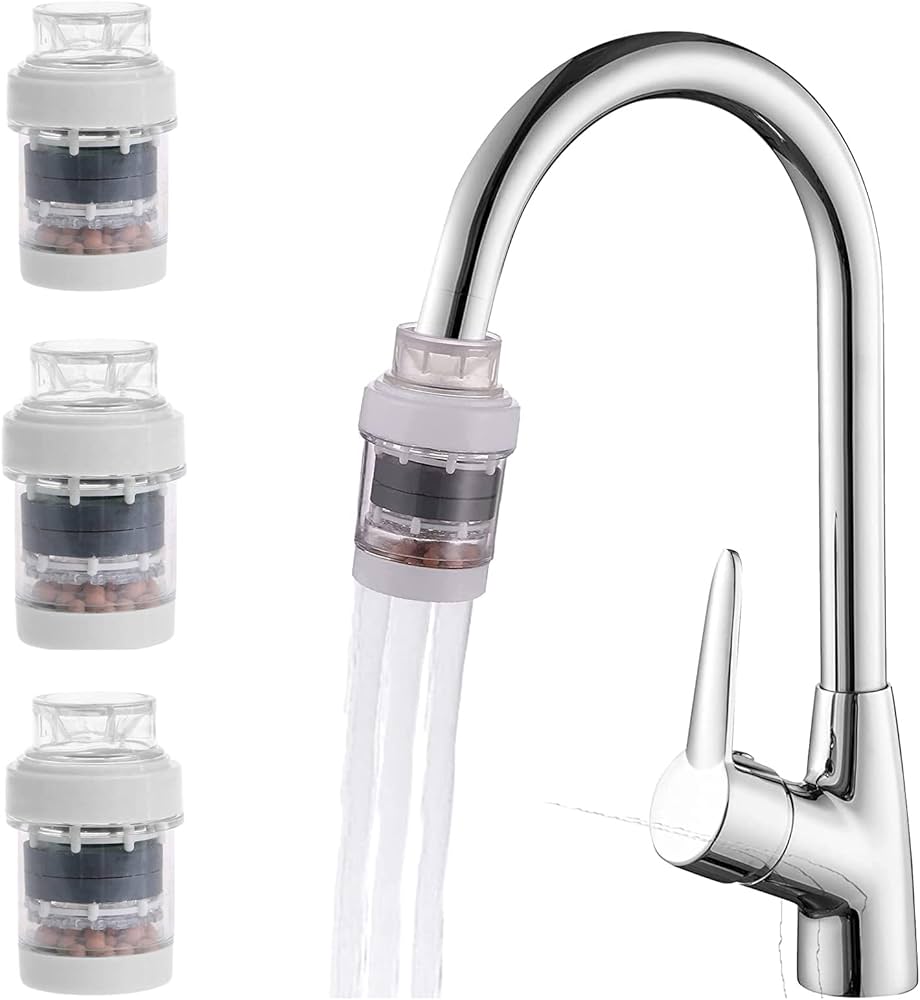
For extreme hard water: Install a countertop magnetic water softener ($35-$60). It reduces mineral content at the faucet—stopping calcium spots before they form. No plumbing required; attaches directly to your faucet head.
For porous stone counters: Place diatomite mats only on the counter strip between faucet and edge. This creates a moisture barrier that absorbs water before it contacts the stone. Dark gray mats hide residual spotting better than white.
For large families: Buy two diatomite mats and rotate daily. This prevents saturation while maintaining dryness—critical when 4+ people use the sink hourly.
Keeping your kitchen sink dry isn’t about perfection—it’s about consistency. Start with the 15-second wipe sequence today. Add one organizational tweak per week. Within 30 days, you’ll walk into a kitchen where water spots are impossible, countertops gleam without effort, and that musty smell is gone forever. The 45 seconds you invest daily saves 3+ hours monthly on deep cleaning—and transforms your sink from a chore zone into a showpiece. Your future self will thank you every time you glance at that perpetually dry, spotless basin.