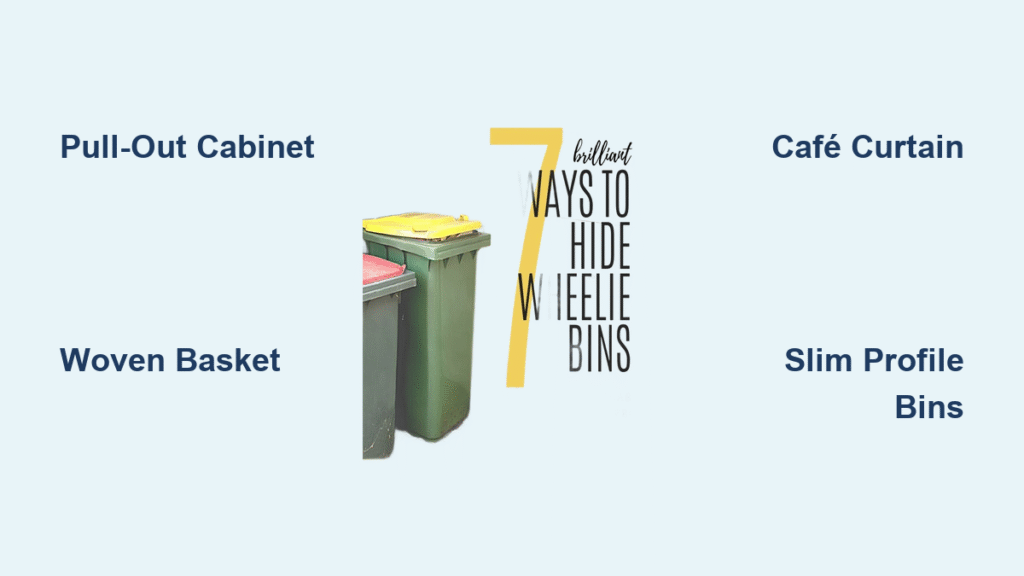
That frustrating moment when your sleek kitchen design gets ruined by an eyesore of recycling containers? You’re not alone. Nearly 78% of homeowners struggle with how to hide recycling bins in kitchen spaces without sacrificing convenience. With the average kitchen producing 4.9 pounds of waste daily—much of it recyclable—you need a smart solution that keeps your space beautiful while maintaining eco-friendly habits.
The right concealment strategy transforms your recycling routine from a chore to a seamless part of cooking and cleaning. Whether you rent or own, live in a tiny apartment or spacious home, there’s a practical method to integrate bins into your kitchen’s design. This guide reveals proven techniques that keep your recycling accessible but invisible—so you never have to apologize for your blue bin again.
Cabinet-Integrated Pull-Out Systems
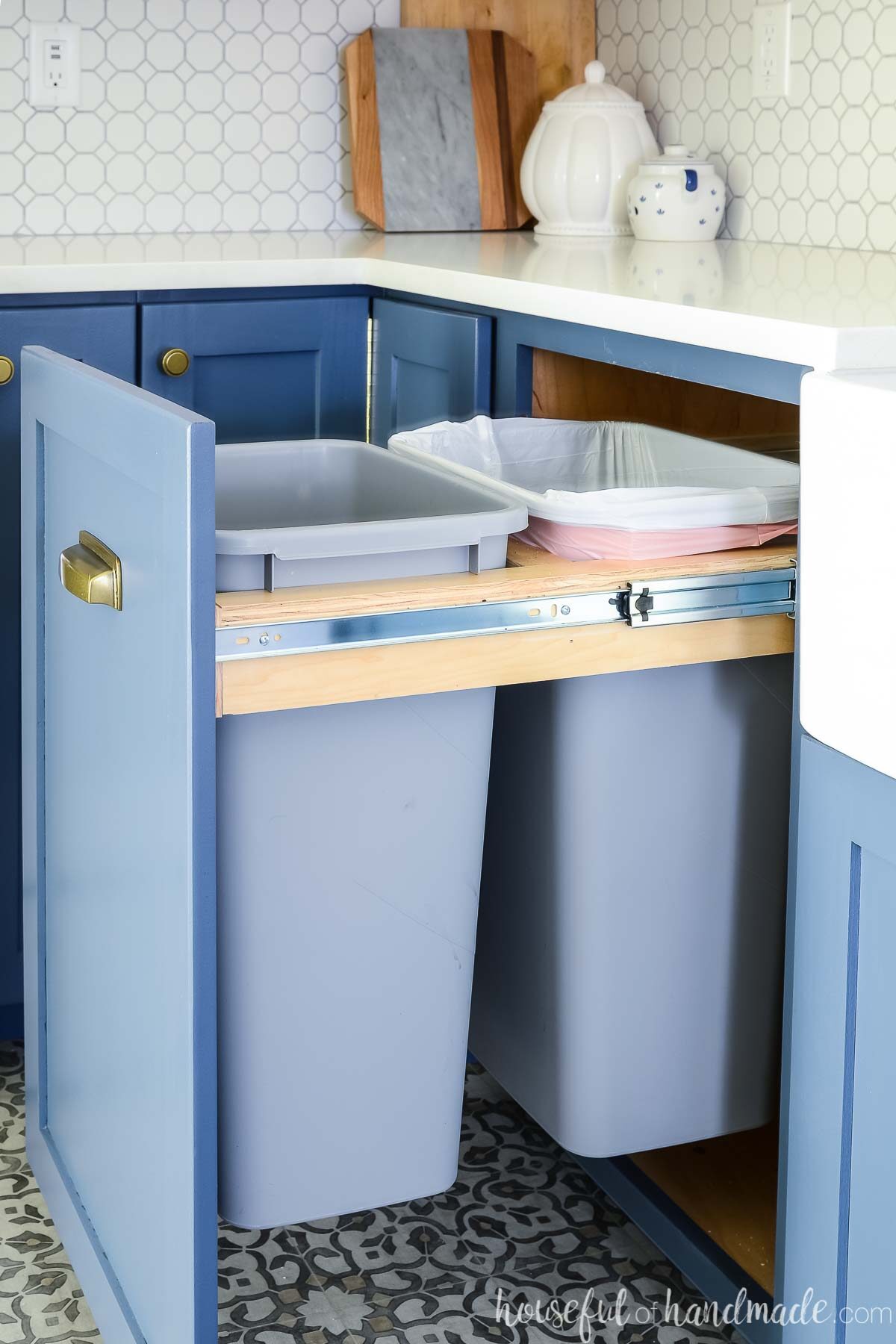
Single vs Dual Bin Configurations
Single bin pull-outs work best when space is limited or your municipality uses single-stream recycling. These systems require just 15 inches of cabinet width and comfortably hold 35-50 quart bins—perfect for standard 13-gallon kitchen bags. Choose this option if you have separate under-sink space for trash or live alone with minimal recycling output.
Dual-bin systems solve the most common kitchen dilemma: needing both trash and recycling within arm’s reach. Requiring a minimum 18-inch cabinet width, these clever setups feature two 35-quart bins side-by-side—ideal for couples or small families. Position your dual system near the sink where food prep happens, reducing those annoying trips across the kitchen with coffee grounds or vegetable scraps.
Installation Requirements
Measure twice before purchasing any system. Open your cabinet fully and note these critical dimensions:
– Height: You’ll need 34.5 inches from cabinet floor to lowest drawer obstruction
– Depth: Standard 24-inch base cabinets work perfectly for most pull-out systems
– Width: 15″ for single, 18″ for dual, or 21″ for triple-bin configurations
Critical tip: Check your countertop overhang before installing tilt-out mechanisms. Most systems require full door opening clearance, so measure the hinge swing radius to avoid damaging your beautiful countertops during operation.
Decorative Concealment Solutions

Woven Basket Method
Natural seagrass baskets transform recycling bins into intentional design elements rather than necessary evils. Look for 14″W x 14″D x 25″H dimensions to fit standard 13-gallon plastic bins inside while maintaining a clean aesthetic. The best versions feature hinged lids with stay-open mechanisms—no more holding the lid while sorting mail and containers.
Pro styling tip: Match basket trim to your cabinet hardware. Black trim complements modern kitchens with matte black fixtures, while natural seagrass warms up white cabinetry beautifully. Place one basket for recycling near your prep zone and another for trash under the sink to create a cohesive look throughout your kitchen.
Freestanding Recycling Stations
When cabinet space is maxed out, purpose-built furniture solves both storage and style challenges. A 30″W x 18″D x 36″H recycling cabinet with butcher block top adds valuable prep space while hiding two 13-gallon bins behind double doors. These units work especially well in open-concept kitchens where traditional under-counter solutions aren’t feasible.
Budget option: Convert thrifted hutches by removing shelves and adding pull-out drawer slides. Paint to match existing cabinetry, then add ventilation holes in the back panel to prevent odors. This rental-friendly approach costs under $50 while adding serious design value.
Rental-Friendly Quick Fixes
Café Curtain Concealment
For under $30, create instant concealment using tension rods and café curtains—perfect for renters who can’t modify cabinetry. This solution works beautifully between cabinets or under islands where permanent changes aren’t allowed.
Installation steps:
1. Measure gap between cabinets (typically 24-30″)
2. Install tension rod 2″ below counter edge at 30″ height
3. Hem curtain to 1″ above floor for clean lines
4. Add curtain weights to prevent billowing when walking past
Fabric choice matters: Medium-weight linen or cotton duck hides bin contents better than sheer options. Choose a color that complements your backsplash or wall paint for a custom look that doesn’t scream “temporary fix.”
Small Kitchen Space Solutions
Vertical Storage Innovation
When floor space is non-negotiable, look up. 6-inch wide pull-out pantries can house stacked bins—perfect for separating glass from paper recycling in tight quarters. These slim profiles fit between appliances or at cabinet ends where space would otherwise go unused.
Corner optimization: LeMans corner systems swing out completely, making dead corner space functional for recycling storage. Though pricier at $300+, they add significant storage to small kitchens without requiring additional floor space.
Slim Profile Products
For galley kitchens under 8 feet long, consider 10-liter slim step cans ($30) that slide between cabinet and wall. These work well for daily recycling if you empty frequently, or as staging areas before transferring to larger garage bins on pickup days.
Space-saving hack: IKEA’s FILUR bins ($6 each) nest when empty and stack securely. Label each bin clearly with masking tape and tuck into unused corner spaces—no permanent installation required.
Multi-Stream Recycling Systems

Four-Stream Organization
Serious recyclers in municipalities with complex sorting requirements need specialized solutions. A metal frame sorter with fabric bags creates dedicated streams for paper, plastic, glass, and compost without looking institutional. Position this system in pantry entrances or laundry rooms for easy access.
Capacity planning is crucial:
– Paper/Cardboard: 11-gallon capacity (fills slowly)
– Glass: 7-gallon with padding (heavy, needs bottom reinforcement)
– Plastic/Metal: 13-gallon standard kitchen size
– Compost: 2-gallon daily removal (countertop transfer)
Rolling Cart Convenience
A rolling cart with divided compartments lets you sort at the source, then wheel everything to your garage or curb on pickup days. Look for models with locking wheels and washable liners to prevent spills during transport.
Space-saving trick: Store the cart in your garage, keeping only a small countertop container for daily sorting. Empty when full or daily for compost—this approach works especially well for multi-story homes where carrying bins up and down stairs becomes tedious.
Common Regrets & How to Avoid Them
Placement mistakes top user complaints in real-world feedback. Don’t hide recycling so well that you stop using it. Position your system within your primary prep zone—the triangle between sink, range, and refrigerator. Test the location by pretending to prep a meal before permanent installation.
Capacity underestimation ruins systems quickly. Families of four need 13-gallon trash plus 13-gallon recycling minimum. When in doubt, size up—overflowing bins defeat the purpose of concealment. Single-stream recyclers can get by with smaller bins, but multi-stream households need significantly more space.
Budget Breakdown by Solution
Under $50 Solutions
- IKEA VARIERA door-mounted bins: $8-$15 (perfect for renters)
- Café curtain setup: $20-$30 (temporary but effective)
- DIY wooden tilt-out: $25 materials (requires basic carpentry)
$50-$200 Mid-Range
- Amazon Basics pull-out system: $45 (surprisingly durable)
- Decorative woven baskets: $60-$120 (doubles as decor)
- Simplehuman under-counter pull-out: $80-$120 (smooth operation)
$200+ Premium Systems
- Rev-A-Shelf 4-bin system: $299 (best for serious recyclers)
- Blum TANDEMBOX soft-close: $380 (luxury cabinet integration)
- Custom cabinet integration: $400+ (seamless professional finish)
Your quest for how to hide recycling bins in kitchen spaces doesn’t have to end with ugly compromises. Start with one small change—maybe a decorative basket for your most-used bin—and expand your system as you discover what works for your space. The key is finding a solution you’ll actually use consistently, not just one that looks good in photos. When your recycling system disappears into your kitchen’s design, you’ll stop thinking about waste management and start enjoying a space that’s both beautiful and sustainable.