
Your quartz kitchen sink should gleam like new for decades, but improper cleaning can leave it dull and stained within months. Unlike stainless steel or porcelain, these engineered surfaces combine natural quartz crystals with acrylic resins, creating a durable yet surprisingly vulnerable surface. One wrong scrub with steel wool or a splash of undiluted bleach can permanently etch that elegant countertop fixture you invested in.
Daily exposure to coffee rings, hard water spots, and metal scuffs demands a specialized approach. This guide delivers field-tested methods straight from manufacturer protocols to keep your sink flawless. You’ll discover why vinegar requires dilution, how to erase stubborn coffee stains without abrasives, and the exact weekly routine that prevents 90% of quartz sink problems.
Daily Quartz Sink Care That Prevents Damage
30-Second Post-Use Routine
Rinse your entire sink with warm water immediately after washing dishes to wash away food particles and soap residue. Dry thoroughly with a microfiber cloth—this critical step prevents mineral deposits from hard water that cause cloudy spots. Skipping this daily habit forces you into deep-cleaning battles within weeks. For best results, keep a dedicated microfiber towel under the sink for instant access.
Non-Scratch Soap Cleaning Method
Mix two drops of mild dish soap with warm water in the sink basin. Dip a soft microfiber cloth or non-abrasive sponge into the solution and clean using circular motions, focusing on corners where grime accumulates. Rinse completely with clean water to avoid soap film residue. This method removes 95% of daily buildup safely—never let soapy water air-dry, as evaporated minerals leave visible rings.
Deep Cleaning Solutions for Tough Stains
:max_bytes(150000):strip_icc()/Dirty-Sink-Before-and-After-79c01cc57bb346d6bf8e0028168634bf.jpeg)
Baking Soda Paste Stain Removal
For coffee rings or food discoloration, make a thick paste of baking soda and water. Apply it directly to stained areas and let it dwell:
– 5-10 minutes for light stains like tea rings
– Up to 60 minutes for stubborn wine or curry stains
Gently scrub with a soft-bristled toothbrush, then rinse thoroughly. The mild abrasion lifts stains without scratching the resin-quartz surface. Always follow with a full rinse to prevent baking soda residue.
Vinegar Solution for Hard Water Deposits
Combat limescale with a 50/50 white vinegar and water spray. Saturate affected areas (especially around the drain) and let it soak 15-30 minutes—the acid dissolves mineral buildup safely. Use a nylon brush for textured surfaces to reach crevices, then rinse extensively with warm water. Never use full-strength vinegar, as prolonged exposure degrades resin binders over time.
Natural Cleaning Alternatives
Lemon-Salt Scrub
Sprinkle coarse salt across the sink, then rub with half a lemon using a non-abrasive pad. The citric acid cuts grease while salt provides gentle abrasion. Rinse immediately to prevent acid residue.
Baking Soda-Vinegar Shine Boost
Cover the sink with baking soda, then spray diluted vinegar until fizzing stops. After 5 minutes, scrub gently, rinse completely, and apply mineral oil with a soft cloth. This restores luster while creating a protective barrier against future stains.
Fixing Stubborn Quartz Sink Problems
Removing Metal Scuff Marks
Gray marks from pots and pans vanish with a damp Mr. Clean Magic Eraser. Gently buff the mark using light pressure until it disappears—excessive force can damage the finish. Immediately follow with soap-and-water cleaning to remove melamine residue, then rinse and dry.
Reviving Dull Black Quartz Surfaces
Black sinks lose shine from soap film buildup. Apply Luster Pro cleaning oil (a quarter-sized amount) to the dry surface after cleaning. Wipe evenly with a microfiber cloth, adding more oil as needed. This professional-grade treatment restores depth without streaks and can be used weekly.
Color-Specific Cleaning Protocols
Black Quartz Stain Prevention
Black surfaces magnify every fingerprint and water spot. Clean spills within 5 minutes using diluted dish soap and a soft sponge. Pay extra attention to the drain ledge where water pools—dry this area first with your cloth. Weekly vinegar sprays prevent stubborn mineral rings that look like permanent stains.
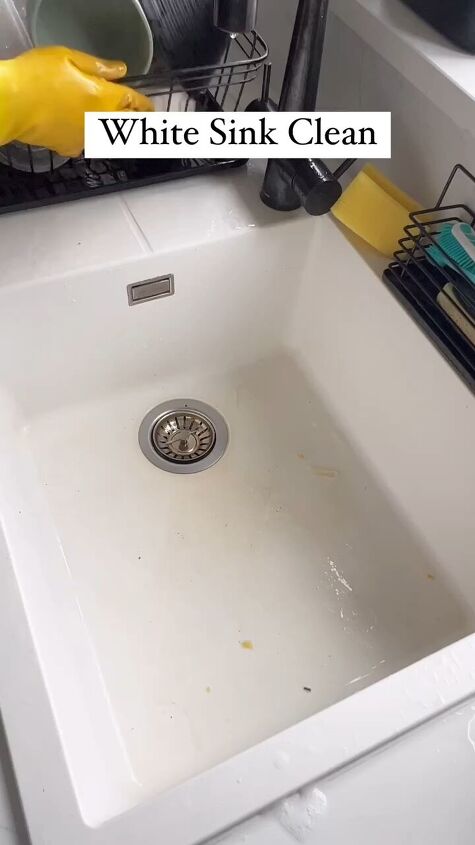
White Quartz Stain Defense
For coffee or wine spills on white quartz, act immediately with dish soap and water. For set-in stains, use Soft Scrub with bleach and a nylon brush—the bleach brightens without harming quartz. Always test cleaners in the drain flange area first, as white surfaces show discoloration more readily.
Essential Prevention Strategies
Water Quality Damage Control
Hard water causes white film; high-iron water leaves rust-colored spots. Rinse and dry after every use to minimize deposits. If stains persist, install an under-sink water filter—this single upgrade reduces deep-cleaning frequency by 70%. Never skip drying, as evaporated minerals embed into the surface over time.
Thermal Shock Protection
Never place hot pans directly in the sink—sudden temperature changes cause micro-cracks in the resin. Always set hot items on a trivet or cooling rack first. Quartz withstands heat better than granite but fails catastrophically when exposed to direct thermal shock.
Bi-Weekly Maintenance Schedule
Deep clean every 15 days using baking soda paste or diluted vinegar. Daily drying prevents 80% of issues, but neglected sinks need weekly mineral deposit treatment. Set phone reminders for bi-weekly sessions—consistency keeps your sink looking factory-fresh for 15+ years.
Dangerous Products That Ruin Quartz Sinks
Chemicals That Destroy Resin Binders
- Full-strength bleach (causes yellowing within weeks)
- Ammonia-based cleaners (creates permanent white haze)
- Undiluted vinegar (etches the surface over time)
- Drain cleaners (dissolves resin at contact points)
Tools That Scratch Permanently
Steel wool, abrasive pads, and hard-bristled brushes leave micro-scratches that trap dirt. Even “non-scratch” pads with rough textures dull the finish. Stick to microfiber cloths and soft sponges—your sink’s warranty often voids with abrasive damage.
Safe Product Testing Protocol
Before using any new cleaner, test in the sink’s hidden area near the drain flange. Apply a dime-sized amount, wait 10 minutes, then rinse. Check for cloudiness, color change, or texture shifts. If no reaction occurs after 24 hours, it’s safe for full use. This 5-minute test prevents costly refinishing.
Quartz Sink Care Quick Reference
Daily Must-Dos:
- Rinse with warm water after every use
- Dry completely with microfiber cloth
- Wipe spills immediately (especially coffee/wine)
- Use only mild dish soap for cleaning
Weekly Tasks:
- Apply baking soda paste to stained areas
- Treat mineral deposits with diluted vinegar
- Remove metal marks with Magic Eraser
- Apply mineral oil for shine protection
Critical Never-Dos:
- Never use steel wool or abrasive pads
- Never let cleaners dry on the surface
- Never place hot pans directly in the sink
- Never skip drying after rinsing
Pro Tip: Store a dedicated quartz cleaning kit under your sink with microfiber cloths, baking soda, white vinegar, mild dish soap, and mineral oil. Having supplies ready makes maintenance effortless—when stains appear, you’ll grab the right tools instead of reaching for risky bleach or scrubbers. Consistent care means your quartz sink stays showroom-perfect for decades, not just years.