Steam from boiling pasta hangs in the air while the smell of garlic lingers long after dinner. Your kitchen surfaces feel sticky, and that persistent grease film on your cabinets won’t budge. If this sounds familiar, your current ventilation system isn’t cutting it. Knowing how to choose exhaust fan for kitchen properly transforms your cooking space from a greasy mess into a clean, comfortable environment where you actually want to spend time.
Whether you’re renovating your kitchen or replacing an underperforming unit, selecting the right exhaust fan requires careful consideration of your cooking habits, kitchen layout, and ventilation possibilities. A poorly chosen fan leaves you with lingering odors, dangerous grease buildup, and potential fire hazards. This guide eliminates the guesswork by giving you the exact calculations, configuration options, and installation considerations you need.
Calculate Your Exact CFM Needs for Maximum Effectiveness
Match CFM to Your Cooking Style and Range Size
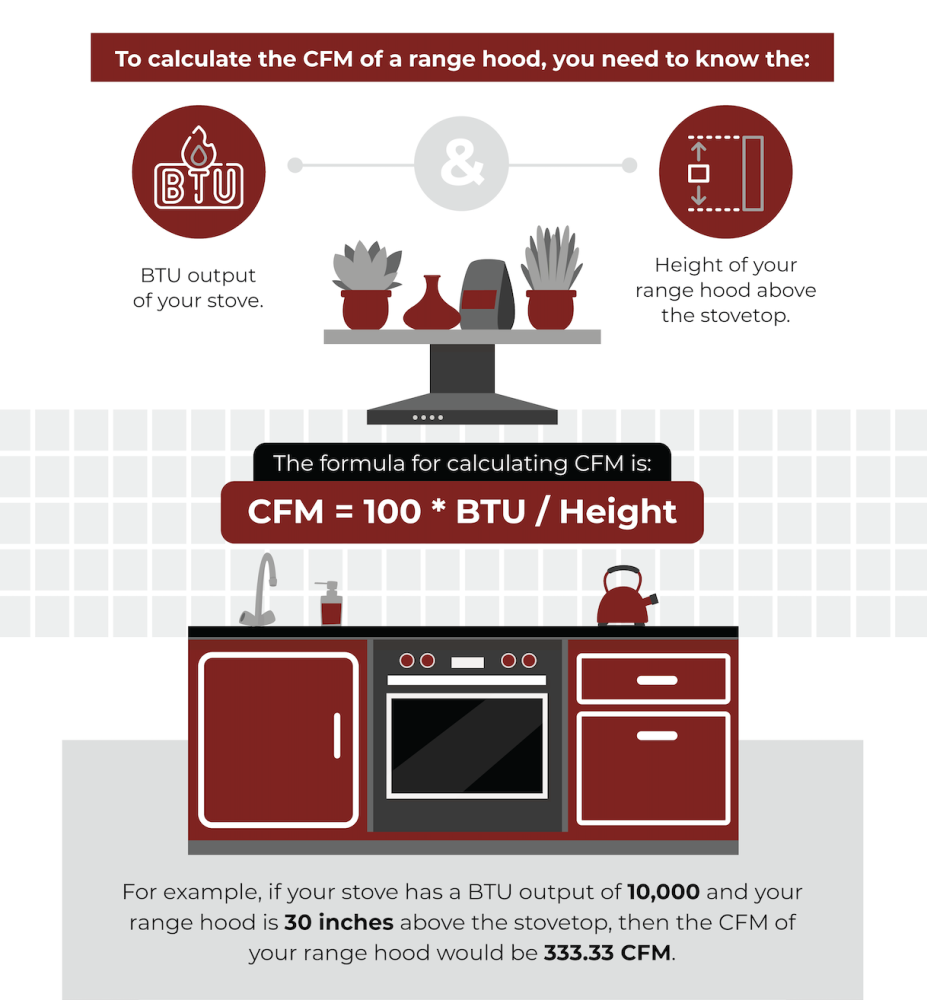
Your exhaust fan’s power must match your cooking intensity. For electric cooktops, multiply your range width by 100—so a standard 30-inch cooktop needs 300 CFM for everyday cooking. But if you regularly sear steaks or stir-fry, bump that to 450-750 CFM for proper smoke capture.
Gas ranges require different calculations. Divide your total BTU output by 100. A 50,000 BTU professional range demands 500 CFM minimum. Skip this step and you’ll end up with a fan that either leaves smoke hanging in your kitchen or blasts air so forcefully it extinguishes your gas flames.
Critical mistake to avoid: Many homeowners install undersized fans because they prioritize quiet operation over performance. While noise matters, an ineffective fan creates bigger problems—grease buildup that’s difficult to clean and potential fire hazards from accumulated cooking residue.
Adjust CFM for Your Specific Kitchen Layout
Your kitchen’s dimensions directly impact required ventilation power. Multiply your kitchen’s cubic feet (length × width × height) by 15-20 air changes per hour, then divide by 60. A typical 12×15×8 foot kitchen needs 360-480 CFM to effectively clear cooking pollutants.
Pro tip: Add 25-50 CFM for every 10 feet of ductwork or each 90-degree elbow in your planned route. Long duct runs with multiple bends significantly reduce effective airflow, making even a high-CFM fan perform like a much weaker unit.
Choose Between Ducted and Ductless Systems Wisely

Why Ducted Systems Outperform Ductless Options
Ducted exhaust fans expel all contaminants outdoors through metal ductwork, removing 100% of grease, smoke, and moisture. This prevents mold growth and protects your cabinetry from heat damage. If exterior access is possible, ducted systems should always be your first choice when learning how to choose exhaust fan for kitchen.
Ductless (recirculating) units filter air through charcoal filters before returning it to your kitchen. They’re easier to install but leave moisture behind—leading to potential mold issues—and require frequent charcoal filter replacements (every 3-6 months). They work best in apartments where ducting isn’t possible.
Warning: Never vent your exhaust fan into an attic or basement. This deposits grease and moisture in enclosed spaces, creating fire hazards and mold problems that are expensive to remediate.
Convertible Units: The Best of Both Worlds?
Some range hoods offer convertible designs that work in either ducted or ductless mode. These provide flexibility if you might add exterior venting during future renovations. However, they often compromise performance in both configurations compared to dedicated ducted systems.
Select the Right Hood Type for Your Kitchen Layout
Under-Cabinet vs. Wall-Mount Hoods: Which Fits Your Space?
Under-cabinet hoods fit neatly beneath existing cabinetry, preserving your valuable upper cabinet storage. They work well for standard 24-36 inch ranges but typically max out at 400 CFM—often insufficient for serious cooking.
Wall-mount canopy hoods replace upper cabinets entirely, offering higher CFM ratings (600-1,200+) and superior capture area. They create a dramatic design statement while providing professional-grade ventilation. Install one if you have exterior wall access and cook frequently with high heat.
Visual cue: When standing at your cooktop, the hood should extend 3 inches beyond each side of your range. This overhang creates the necessary capture zone for rising smoke and steam.
Island Hoods Require Special Considerations
Kitchen islands present unique ventilation challenges. Island hoods need 15-20% more CFM than wall-mounted units due to cross-drafts from all directions. A 36-inch island cooktop might require 700-900 CFM instead of the standard 600 CFM.
Mounting height is critical—position the bottom of the hood 30-36 inches above your cooktop surface. Too high and it won’t capture rising smoke effectively; too low and it becomes a head-bumper and fire hazard.
Balance Power with Noise Levels
Decode Sone Ratings for Quiet Operation
CFM measures power, but sones measure noise. One sone equals the quiet hum of your refrigerator. Most effective range hoods operate between 2-8 sones. For open-concept kitchens where you want to hear conversation while cooking, target ≤5 sones at normal cooking speeds.
Smart feature worth the investment: Variable-speed motors allow quieter operation during light cooking tasks while providing maximum power when needed. DC motors run significantly quieter than traditional AC motors at equivalent CFM levels.
Don’t Sacrifice Performance for Quietness
Many homeowners choose quiet but undersized fans, only to discover they’re ineffective. Instead, look for hoods with perimeter aspiration technology that pulls air from along the entire edge of the hood, creating more efficient capture with less noise.
Plan Your Ductwork Route Before Buying
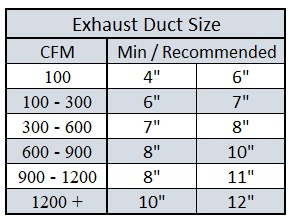
Size Ductwork Correctly for Maximum Efficiency
Undersized ductwork sabotages even the most powerful fan. Use this guideline when planning how to choose exhaust fan for kitchen:
– 6-inch round duct: Supports 400-600 CFM
– 8-inch round duct: Handles 600-900 CFM
– 10-inch round duct: Required for 900+ CFM
Critical installation rule: Minimize elbows—each 90-degree bend adds 5-10 feet of equivalent duct length. Use smooth, rigid galvanized metal ducting rather than flexible accordion-style duct, which creates turbulence and reduces airflow by up to 50%.
Mounting Height Affects Performance
Position your hood at the proper height above your cooking surface:
– Electric cooktops: 20-24 inches
– Gas cooktops: 24-30 inches
Deviating from these measurements reduces effectiveness. Too high and smoke escapes before capture; too low and you risk fire hazards or head bumps.
Evaluate Filter Types and Maintenance Requirements
Stainless Baffle vs. Aluminum Mesh Filters
Stainless steel baffle filters offer superior grease capture and professional appearance. They’re dishwasher-safe and require only monthly cleaning. Aluminum mesh filters are cheaper but less effective—they need frequent washing and annual replacement.
Red flag: Avoid units with flimsy, thin filters that warp when washed. Quality filters maintain their shape after repeated cleaning cycles.
Maintenance Schedule You Can’t Ignore
Neglecting filter maintenance creates fire hazards and reduces airflow. Follow this schedule:
– Metal filters: Clean monthly in dishwasher
– Charcoal filters (ductless only): Replace every 3-6 months
– Fan housing: Wipe down quarterly to prevent grease buildup
– Duct cleaning: Every 2-3 years (annually for heavy use)
Budget for Complete Installation Costs
Beyond the Price Tag: Hidden Expenses
The hood itself is only part of the investment. Factor in:
– Installation labor: $300-$1,000+
– New ductwork: $200-$800+
– Electrical upgrades: $150-$400
– Permits: $50-$300 (depending on location)
Cost-saving tip: Install during a kitchen remodel when walls are already open. Retrofitting ductwork through finished walls adds significant labor costs.
Final Decision Checklist Before Purchase
10 Critical Questions to Answer
- Can you duct to the exterior, or are you limited to ductless?
- Does the hood width match or exceed your cooktop?
- Have you calculated CFM using BTU method (gas) or linear feet (electric)?
- Have you checked local building codes for make-up air requirements?
- Does the hood type match your kitchen layout (under-cabinet, wall, island)?
- Have you planned the shortest possible duct route with minimal bends?
- Does the noise level (sones) match your tolerance at required CFM?
- Are filter types appropriate for your cooking style and maintenance willingness?
- Does your budget include installation and ongoing filter costs?
- Have you consulted a professional for complex duct routing?
Quick calculation example: For a 30-inch gas range with 50,000 BTU output, you need 500 CFM minimum. With a long duct route (12 feet plus two 90-degree elbows), add 25%—bringing your requirement to 625 CFM. Choose a ducted wall hood with 8-inch ducting, ≤5 sones, and stainless baffle filters.
Key Takeaway: Mastering how to choose exhaust fan for kitchen means balancing ventilation power with your specific constraints. Never prioritize aesthetics over performance—measure your space, calculate CFM accurately, and always choose ducted systems when possible. Proper ventilation protects your health, prevents costly kitchen damage, and transforms cooking from a chore into a pleasure. Install the right fan now, and you’ll enjoy a cleaner, safer kitchen for years to come.