Picture this: you’re parked at a scenic overlook, the sun is setting, and instead of fumbling with a camp stove on the ground, you’re chopping vegetables on a proper counter with running water and refrigeration at your fingertips. A well-designed van kitchen transforms road life from basic survival to comfortable living—but only if you plan it right.
Building a kitchen in your van isn’t just about slapping together some cabinets. It’s about creating a functional workspace that maximizes every inch while keeping you safe and comfortable. This guide walks you through the exact process of how to build a kitchen in a van, from initial layout decisions to the final safety checks, using proven techniques that van builders swear by.
Plan Your Van Kitchen Layout First
Map Your Space with Tape Before Cutting
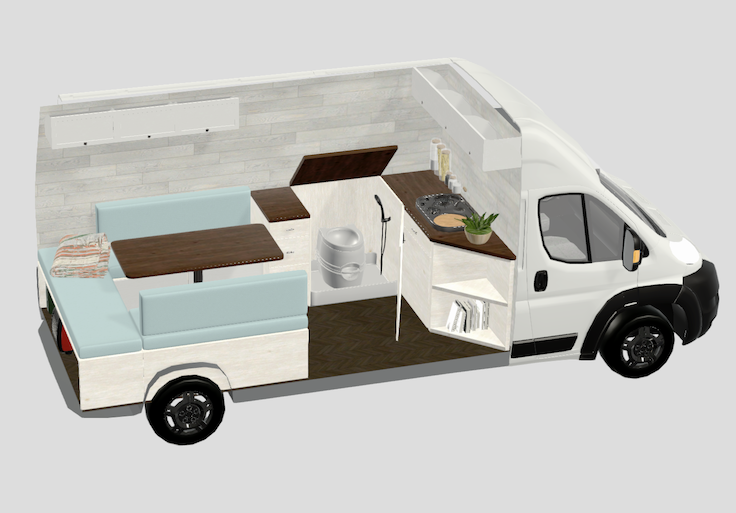
Don’t cut a single piece of wood until you’ve blocked out your kitchen layout with painter’s tape. This simple step saves weeks of frustration by revealing traffic flow issues you’ll face daily. Most van kitchens work best at 20-24 inches deep and 34-36 inches high—matching standard residential dimensions for comfort during extended cooking sessions. Measure wheel-well intrusions and ceiling curves first, then design around these obstacles.
Choose Your Fridge Location Strategically
Your refrigerator placement determines your entire layout. Under-counter drawer fridges like the Dometic CRX-65 save space but require specific rough openings. Between-the-seats installations work with ARB 50-quart models but may block cab access. Top-loading fridges in bench seats maximize storage but require lifting heavy items daily. Measure your exact space and compare with appliance dimensions before committing—most builders regret not dry-fitting their fridge first.
Decide Your Cooking Style Early
Your stove orientation affects everything from ventilation to storage. Inside galley setups with flush-mounted cooktops feel most residential but need robust ventilation. Rear-facing slide-out drawers let you cook outside on nice days but require weather considerations. Chuck boxes offer maximum flexibility but need secure storage and daily setup. Match your cooking solution to your power system—induction cooktops need serious electrical setups while propane works reliably off-grid.
Essential Van Kitchen Dimensions
| Critical Measurement | Standard Size | Why It Matters |
|---|---|---|
| Counter height | 34-36 inches | Prevents back strain during meal prep |
| Counter depth | 20-24 inches | Balances workspace with walkway clearance |
| Overhead clearance | 18+ inches | Avoids head bumps and sight-line issues |
| Drawer clearance | 39-49 inches | Ensures full extension without hitting doors |
| Toe-kick space | 3.5 inches | Improves stance comfort at counter |
Core Components Every Van Kitchen Needs
Water System That Actually Works
Start with your water needs. Two 5-gallon jerry cans under the sink work for weekend trips, but 10-15 gallon rigid tanks support longer adventures. Manual foot pumps like Whale or Valterra models never fail electrically but require foot space. Electric Shurflo pumps add convenience at the cost of battery power and potential failure points. Always build a recess in your face frame for foot pumps—they need specific clearance to operate properly.
Cooking Solutions for Real Meals

Match your cooking setup to your power system. Drop-in two-burner propane units like the SMEV 9222 fit standard rough openings and work reliably off-grid. Single induction cooktops need serious electrical systems—150+ amp-hour lithium batteries and 1000+ watt inverters. Butane camp stoves work as backups but aren’t designed for daily use inside a van. For most builders, the drop-in propane setup offers the best balance of reliability and functionality.
Refrigeration Without Battery Drain
Drawer fridges consume 2.5-4.5 amps at 12 volts when running, totaling 25-35 amp-hours daily. The Dometic CRX-65 fits most layouts at 2.3 cubic feet, while the CRX-80 offers more space at 2.7 cubic feet. Top-loading models like ARB 50-quart units work well in bench seats but require lifting everything out to access items at the bottom. Calculate your daily power budget before choosing—many vanlifers discover their fridges drain batteries faster than expected.
Materials That Survive Van Life
Lightweight Yet Durable Construction
Frame your kitchen with 1×2 or 1×3 pine for weight savings—only use 2×2 for load-bearing sections. Half-inch birch plywood creates strong cases without excessive weight. Quarter-inch cedar or pine planks make attractive, lightweight doors that won’t warp in temperature changes. Always finish both sides of plywood equally to prevent moisture-related warping on the road.
Countertops That Handle Abuse
DIY edge-glued hardwood counters sealed with food-safe mineral oil offer warmth and repairability. IKEA Karlby laminate countertops provide durable, low-maintenance surfaces at ⅛ the cost of solid surface materials. Always cut countertops slightly oversized, then trim to fit your exact space—van walls aren’t perfectly straight, so your counter needs to follow the contours.
Build Your Kitchen Step-by-Step
Design and Mock-Up Phase
Start by measuring your van’s exact interior dimensions, noting wheel-well intrusions and ceiling curves. Use Vanspace3D or SketchUp Free to create a digital model, then verify with cardboard mock-ups. Measure every appliance, pot, and utensil before finalizing compartment sizes—add ¼ inch clearance to each dimension for real-world fit. This phase takes longer than you think but prevents costly mistakes later.
Frame Construction Process
Create a detailed cut list from your design, nesting parts efficiently on 4×8 sheets to minimize waste. Assemble frames using butt joints reinforced with pocket holes and wood glue. Square each section carefully—van floors aren’t level, so build square to your reference points, not the van itself. Always dry-fit assemblies before final installation; expect to notch cabinets around gas fill points and seat belt mounts.
Countertop and Sink Installation
Cut your countertop to final dimensions, accounting for any irregularities in your van’s walls. Trace your sink template, then cut ¾ inch inside the line to support the lip properly. Use a sharp jigsaw blade and file edges smooth. Seal the countertop-to-cabinet joint with silicone, then install the sink with clips and fresh silicone around the rim. This creates a watertight seal that prevents leaks into your cabinetry.
Smart Storage Solutions That Work
Maximize Every Cubic Inch
Design adjustable pantry shelves on ½-inch plywood with shelf pins at 12-inch spacing. Create drawer banks with specific depths: 10 inches for cutlery, 12 inches for pots, 14 inches for dry goods. Install pull-out spice racks on drawer slides inside cabinet doors for instant access. Hand-woven reed baskets on lip shelves prevent rattling and keep plates organized.
Hidden Storage Opportunities
Use toe-kick drawers—3.5×3.5-inch cavities with push-latch slides—for flat items like cutting boards. Add overhead bulkhead shelves 1 meter above the counter for lightweight items. Magnetic knife strips recessed into backsplashes free up valuable drawer space while keeping tools accessible. These small spaces add up to significant storage capacity in your van kitchen.
Safety Systems You Can’t Skip
Ventilation Requirements
Install a MaxxFan 7500K roof vent directly over your cooking area with minimum 12-inch clearance from any cooktop. This prevents moisture buildup and removes cooking odors. Position the fan to create cross-ventilation with your side windows for maximum effectiveness. Proper ventilation isn’t just comfortable—it prevents dangerous condensation that leads to mold growth.
Gas System Safety
Secure 20-pound propane tanks with ¼-inch steel angle and threaded rod anchored to the floor. Ensure your propane locker is completely sealed from living spaces and vented downward through the vehicle floor. Install a 12-volt propane/CO detector inside the sealed compartment. Never compromise on these safety features—they save lives when you’re sleeping just feet from your gas system.
Real Budget and Weight Expectations
| Component | Cost Range | Weight Impact |
|---|---|---|
| Cabinet lumber & plywood | $350-500 | 75-90 lbs |
| Countertop materials | $85-120 | 30 lbs |
| Sink and faucet combo | $120-250 | 8-12 lbs |
| Two-burner cooktop | $220-280 | 9 lbs |
| Refrigerator unit | $750-900 | 33 lbs |
| Hardware and fasteners | $100-150 | 5-8 lbs |
| Total Kitchen Build | $1,625-2,200 | 150-180 lbs |
Common Mistakes to Avoid
Measure Twice, Cut Once—Literally
Always dry-fit assemblies before final installation. Expect to notch cabinets around gas fill points and seat belt mounts—these obstacles aren’t obvious in your initial measurements. Use corner clamps during assembly to prevent warped plywood from throwing off your entire layout. Overlay doors forgive 3-4 millimeters of misalignment, while inset doors require precision within 1 millimeter.
Balance Your Weight Distribution
Locate your heaviest items—water tanks and batteries—directly over or slightly forward of the rear axle. This maintains proper vehicle handling and prevents dangerous sway. Never load all your kitchen weight at the very rear of the van. Proper weight distribution affects not just safety but also your vehicle’s fuel efficiency and tire wear.
Building a van kitchen transforms your vehicle from transportation into a true home on wheels. Start with detailed measurements and cardboard mock-ups before investing in materials. Focus on safety systems first—proper ventilation and gas storage aren’t negotiable. Then layer in functionality with smart storage solutions and quality components built for mobile life. Your perfect van kitchen balances weight, functionality, and budget while reflecting your cooking style—whether you choose a minimalist cube setup or a full-featured indoor/outdoor system, these proven techniques ensure your kitchen serves you well for years of adventures.