Your sleek grey kitchen looked stunning in the showroom photos, but now it feels more like a laboratory than the heart of your home. That cool, sophisticated palette suddenly seems cold and unwelcoming, especially under harsh LED lighting. You’re not alone—grey kitchens dominate contemporary design, yet many homeowners struggle with that same sterile feeling. The good news? You can transform your space without expensive renovations or sacrificing your grey investment.
This guide reveals proven strategies to layer warmth into your existing grey kitchen, from simple weekend fixes to more substantial upgrades. You’ll learn exactly which elements create that cozy, inviting atmosphere while maintaining the sophisticated grey base you love.
Why Your Grey Kitchen Feels Like a Laboratory
Grey’s cool undertones stem from blue-violet bases in most popular shades. When grey cabinetry, countertops, and flooring dominate a space, they create that clinical laboratory feeling. This effect intensifies under cool LED lighting and when paired with stainless steel appliances, forming a monochromatic cool palette that lacks visual temperature.
The psychology behind this phenomenon is simple: humans associate warm colors with comfort and safety, while cool tones signal distance and formality. Your grey kitchen isn’t broken—it just needs strategic warming elements to balance its sophisticated base.
Warm Grey Paint Selection Secrets
Transform your space by selecting grey paints with warm undertones. Look for bases of pink, beige, or green rather than blue-violet. These undertones shift the entire color temperature without requiring a complete repaint.
Top warm grey recommendations:
– Sea Salt by Benjamin Moore (subtle pink undertones)
– Gray Owl by Benjamin Moore (green-based warmth)
– Wool Peacoat by Benjamin Moore (deeper pink undertones)
– London Fog by Fine Paints of Europe (warm gray with pink)
– Halo by Benjamin Moore (leans green for natural warmth)
Test samples under your actual kitchen lighting before committing. Paint a large poster board and move it around your kitchen at different times of day to see how the undertones shift.
Countertop Warmth Strategies
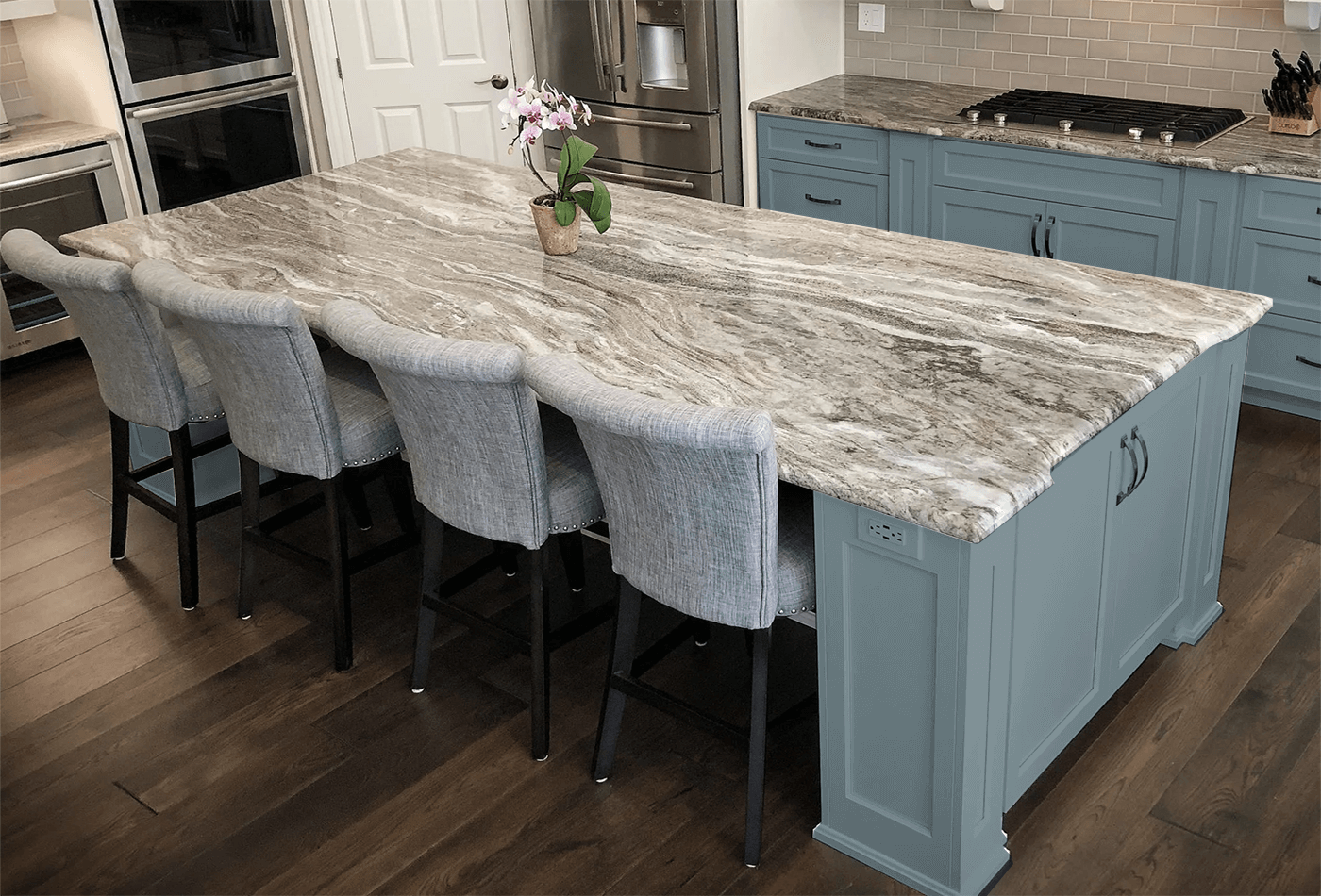
Your countertops offer major warming potential without replacing everything. Fantasy Brown quartzite adds warmth through sandy, beige tones that complement grey cabinetry perfectly. Caesarstone’s Lagos Blue in honed finish provides subtle warm sandy undertones that soften cool grey.
For granite lovers, Silver Stravos offers strategic deep purple portions that warm the space when properly mapped. If budget allows, consider a milk-colored Caesarstone island that creates warm contrast against existing cool grey perimeter counters.
Strategic Wood Integration Methods

Walnut and White Oak Placement
Wood elements introduce natural warmth through both color and texture. Walnut delivers rich, dark luxury with straight grain patterns, while white oak offers lighter, pronounced grain for casual rustic appeal.
High-impact wood additions:
– Butcher block countertops on islands (functional and warm)
– Reclaimed wood open shelving (adds character and storage)
– Wooden range hood covers (major visual impact)
– Quarter-sawn white oak cabinetry with translucent warm grey stain
Flooring Solutions That Radiate Warmth
Replace cool tile with 8-inch oak floorboards in matte finish. Deep red oak with custom warm stain creates instant coziness, while vintage refinished red oak adds character. For grey-stained floors, use Rubio monocoat on white oak for warmth without sheen.
Lighting Transformation Guide
Color Temperature Swap
Replace existing bulbs with warm 2700K-3000K LEDs immediately. This single change costs under $50 but dramatically shifts the room’s feel. Install dimmer switches for adjustable ambiance throughout the day.
Layered Lighting Plan
- Under-cabinet lighting: Highlight countertop warmth while adding task lighting
- Pendant lights: Choose warm brass or copper finishes over islands
- Accent lighting: Warm yellow evening lighting for cozy dinner prep
- Statement fixtures: Warm-toned metals in copper, brass, or oil-rubbed bronze
Accessory Layering System
Textile Warmth That Works
Vintage rugs with cushioned pads add both visual and physical warmth underfoot. Choose earthy tones like terracotta, rust, or deep gold. Linen or woven curtains in natural fibers soften hard surfaces, while upholstered seating with textured throw pillows creates inviting corners.
Strategic Color Accent Rules
Introduce warm colors through small, changeable elements rather than permanent features. Terracotta, mustard, or deep red tile backsplashes add warmth without overwhelming. Cream, taupe, or soft white accessories provide subtle contrast against cool grey bases.
Hardware and Metal Updates for Instant Warmth

Replace chrome or stainless steel hardware with warm metals. Brass offers traditional warmth, copper adds rich color, and oil-rubbed bronze provides sophisticated depth. Matte black creates modern warmth that complements both grey and wood elements.
Budget-friendly swap strategy:
– Start with cabinet pulls and drawer handles
– Add matching faucet and light fixtures
– Consider appliance panels in warm metals for major impact
Plant and Greenery Placement That Works
Strategic plant placement breaks up grey expanses while adding life and color. Large potted plants in corners add vertical interest, while herb collections on windowsills provide both beauty and function. Snake plants, monstera, and pothos thrive in kitchen environments and purify air naturally.
Weekend Warmth Project Plan
Phase 1: Immediate Impact ($200-500)
- Replace all bulbs with 2700K-3000K warm LEDs
- Add vintage rug with cushioned pad
- Install warm-toned accessories and textiles
- Add 3-5 plants in warm ceramic pots
Phase 2: Moderate Investment ($500-1500)
- Update all hardware to brass or copper
- Install reclaimed wood open shelving
- Add under-cabinet LED strips
- Replace pendant lights with warm metal fixtures
Phase 3: Significant Changes ($1500-5000)
- Replace backsplash with warm-toned tiles
- Install wood island top or butcher block
- Add wooden range hood cover
- Replace faucet with warm metal option
Common Pitfalls Prevention Tactics
Color Balance Mistakes to Avoid
Test all paint samples under your actual kitchen lighting before committing. Consider existing grey undertones when selecting warm additions—green-based greys pair differently than blue-based ones. Maintain balance by limiting warm colors to 20-30% of visual space.
Scale and Proportion Guidelines
Proportion accessories to kitchen size—avoid overwhelming small kitchens with massive wooden elements. Consider visual weight of wood additions against existing grey surfaces. Use the rule of thirds for balanced placement of warm elements.
Your Warm Grey Kitchen Transformation Path
Transforming your cool grey kitchen into a warm, inviting space requires strategic layering rather than complete overhaul. Grey serves as your sophisticated neutral base—it’s not a problem to solve but a foundation to build upon.
Start with simple bulb swaps and textile additions this weekend. Layer in wood elements and warm metals over time. The result creates a balanced, contemporary kitchen that feels both sophisticated and welcoming, proving that grey and warmth coexist beautifully in modern design.
Your grey kitchen investment remains intact while gaining the warmth that makes a house feel like home. Focus on one element at a time, and soon you’ll find yourself drawn to your kitchen not just for cooking, but for the warmth and comfort it provides. Whether you’re preparing a quick breakfast or hosting holiday meals, these warmth-adding strategies ensure your grey kitchen becomes the inviting heart of your home where memories are made.