That sticky film coating your range hood isn’t just unsightly—it’s silently sabotaging your kitchen’s air quality and creating a serious fire hazard. When grease accumulates on filters and fan blades, your ventilation system loses up to 70% of its smoke-clearing power, leaving cooking odors trapped in your home and walls stained with invisible residue. The good news? You can restore your kitchen vent to peak performance using simple household items in under an hour. This guide delivers proven techniques to eliminate even decade-old grease buildup without expensive chemicals or professional help.
Stop scrubbing blindly with harsh cleaners that damage finishes. You’ll discover exactly when to clean based on your cooking habits, the precise baking soda-to-water ratios that dissolve grease fastest, and critical safety steps most DIYers miss. Most importantly, you’ll learn how to prevent future buildup—saving you hours of labor while protecting your home from grease-related fires.
Why Grease Buildup in Your Range Hood Demands Immediate Attention
Ignoring greasy vents creates domino-effect problems throughout your kitchen. As filters clog, your range hood struggles to pull smoke toward the fan, causing cooking fumes to settle on cabinets and walls. This leaves behind invisible acidic residues that permanently etch surfaces over time. More critically, accumulated grease becomes highly flammable—accounting for over 16,000 home fires annually according to fire safety data.
Fire Hazard Risks from Neglected Vents
Grease ignites at just 400°F, well below your stove’s maximum temperature. A single flare-up from searing meat can superheat trapped grease in your ductwork, triggering a fire that races through your home’s ventilation system. Regular cleaning eliminates this ignition source before it becomes catastrophic.
When Your Kitchen Air Quality Takes a Hit
Clogged filters force your range hood to recirculate contaminated air instead of expelling it. This traps carcinogenic compounds from cooking oils and food particles, circulating them through your entire home. You’ll notice lingering fried food smells days after cooking and increased respiratory irritation among household members.
Spot the Warning Signs: Is Your Vent Overloaded with Grease?
Don’t wait for a fire alarm to act. These visual cues indicate immediate cleaning is required, regardless of your normal schedule.
Visible Grease Accumulation on Filters
Hold a flashlight to your metal filters—if you see brown streaks or a translucent film coating the mesh, grease has already compromised airflow. This requires cleaning even if it’s been less than 60 days since your last session.
Unusually Loud Range Hood Operation
A sudden increase in fan noise signals grease buildup on fan blades. The extra weight throws off balance, causing vibrations against the housing. This isn’t just annoying—it stresses the motor, potentially shortening your hood’s lifespan by years.
Smoke Lingering After Cooking
When your range hood fails to clear visible smoke within 10 seconds of cooking, grease-clogged filters have lost effectiveness. Test this during your next stir-fry: if smoke drifts toward cabinets instead of being pulled upward, stop cooking and clean immediately.
Deep Clean Greasy Range Hood Filters in Your Sink

This sink method dissolves even baked-on grease without scrubbing—using water hot enough to melt grease but cool enough to handle safely.
Safely Remove Metal Filters Without Breaking Them
Turn off the range hood at the wall switch first. Grip the metal loop on your filter’s edge, push upward firmly, then slide forward toward you. If no loop exists, insert fingers into the mesh opening and lift straight up. Never yank filters—bent frames won’t seat properly during reinstallation.
Boiling Water Degreasing Solution Recipe
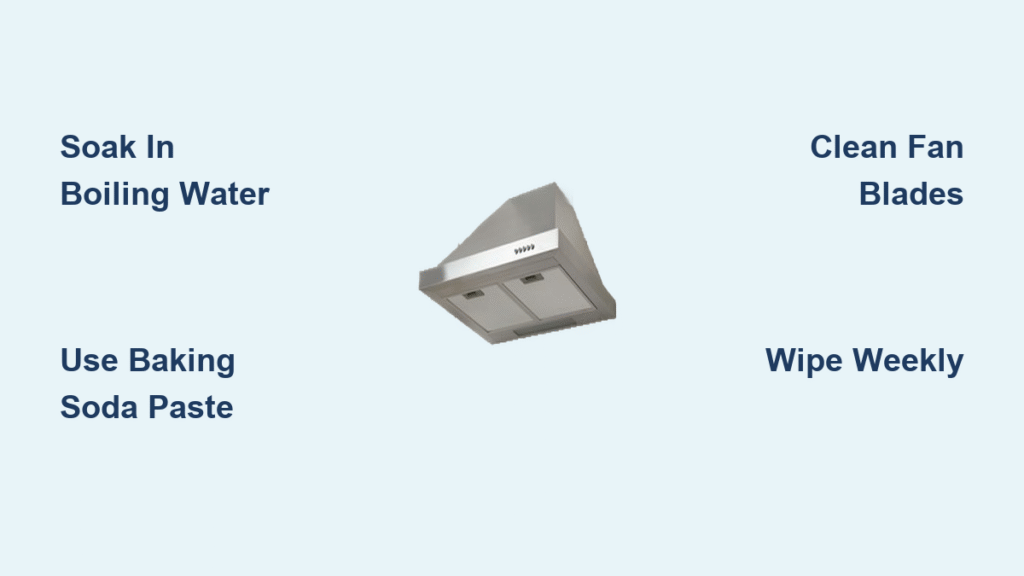
Fill your sink ¾ full with boiling water (use oven mitts!). Add ¼ cup baking soda and two generous squirts of Dawn dish soap. Stir with a wooden spoon until foamy—this creates a caustic-free solution that emulsifies grease on contact. The hotter the water, the faster it works.
Soak Time Secrets for Stubborn Grease
Submerge filters completely for 10 minutes minimum. For filters darkened by years of neglect, extend to 30 minutes—watch as brown grease visibly separates from the metal. Critical tip: Add fresh baking soda halfway through if water cools below 140°F, as lower temperatures reduce effectiveness.
Rinse and Dry Like a Pro to Prevent Mildew
Hold filters under hot running water while rubbing with a non-abrasive brush until water runs clear. Shake off excess water, then dry completely with paper towels—never air-dry. Trapped moisture breeds mildew in the mesh, creating new odors. Reinstall only when filters feel bone-dry to the touch.
Wipe Down Your Entire Range Hood Surface Without Damaging the Finish
Most homeowners skip the hood exterior, but grease splatter creates a sticky base that attracts more grime. This method cleans without scratching stainless steel or painted surfaces.
Power Down Steps That Prevent Electrical Accidents
Always shut off the circuit breaker—not just the wall switch—before cleaning near electrical components. Test with a voltage pen to confirm no power reaches the hood. This prevents accidental fan activation while your hands are inside the unit.
Baking Soda Paste for Tough Grease Spots
Mix baking soda with minimal water to form toothpaste consistency. Apply thickly to discolored areas like control panels and grease traps. Let sit for 30 minutes—this dwell time breaks molecular bonds in hardened grease. Wipe with a microfiber cloth using circular motions; stubborn spots lift without scrubbing.
The Right Way to Degrease Stainless Steel and Painted Surfaces
After paste treatment, wipe the entire hood with a sponge dipped in 1:3 baking soda-to-warm water solution. For stainless models, always rub parallel to the grain to avoid swirl marks. Rinse with a damp cloth, then polish with vinegar on a soft cloth to restore shine. Never use oven cleaners—they strip protective coatings.
Clean Your Range Hood Fan Blades Without Causing Damage

Grease-coated fan blades reduce airflow by 50% and strain the motor. This method cleans without disassembly errors that cause dangerous imbalances.
Identify Screw vs. Rivet Attachment Before Starting
Remove the filter to inspect the fan cover. If you see visible screws, proceed; if only rivets are present, do not attempt removal. Forcing riveted units causes permanent damage. Most residential hoods have screw attachments—typically three Phillips-head screws around the perimeter.
Clockwise Loosening: When Fan Nuts Defy Normal Rules
Some fan assemblies use reverse-threaded nuts that loosen clockwise (opposite standard threading). Test by turning gently left—if resistance increases, try right instead. Mark blade positions with tape before removal; reinstalling blades backward creates loud vibrations and inefficient airflow.
Reassemble Fan Blades in Original Orientation for Quiet Operation
After soaking blades in warm soapy water for 30 minutes, wipe with a soft cloth—never bend fins. Reattach in exact original positions; even 5-degree misalignment causes wobble. Test by spinning manually before powering on—smooth rotation indicates correct assembly.
Why Dishwashers Ruin Greasy Range Hood Filters
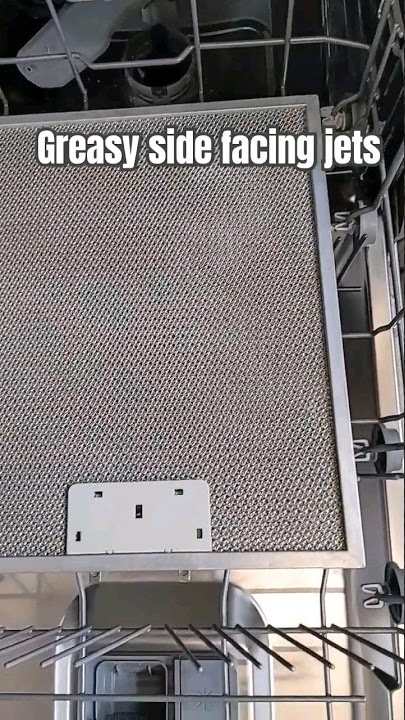
That tempting “dishwasher-safe” label on metal filters is misleading for grease removal. As filters heat up during the wash cycle, trapped grease melts and sprays throughout your dishwasher, clogging spray arms and drains. Worse, grease re-solidifies in the filter mesh during the cool-down phase, creating a harder-to-remove sludge that requires manual intervention anyway. Stick to sink cleaning for truly clean filters.
Prevent Grease Buildup with Weekly Maintenance Habits
Stop deep cleaning every 60 days by implementing these 2-minute habits after cooking.
The 5-Minute Wipe Down That Saves Hours of Deep Cleaning
While your hood is still warm (but powered off), wipe the entire surface with a vinegar-dampened cloth. Warm grease lifts instantly—cold grease hardens into permanent buildup. Focus on the grease trap channel along the hood’s bottom edge where drips accumulate.
Adjust Cooking Habits to Reduce Grease Production
Lower your burner heat when searing—excessive flames vaporize more oil into airborne particles. For frequent frying, place a splatter screen over pans; this catches 80% of grease before it reaches your vent. These small changes cut deep cleaning frequency in half.
Troubleshoot Stubborn Grease That Won’t Come Off
When standard methods fail, these nuclear options tackle decade-old buildup without replacing components.
Double Soaking Technique for Year-Old Buildup
Repeat the sink cleaning process twice: first soak dissolves surface grease, revealing deeper layers. After the initial 10-minute soak and rinse, repeat with fresh solution for another 20 minutes. Most neglected filters become spotless after this second cycle.
Commercial Degreaser Spot Treatment Without Damaging Surfaces
For remaining patches, apply a pea-sized amount of Zep Commercial Degreaser directly to the spot. Cover with plastic wrap to prevent drying, wait 15 minutes, then wipe with a baking soda paste. Always test degreasers on a hidden area first—some formulations etch stainless steel finishes.
Clean kitchen vents aren’t just about spotless filters—they’re your first line of defense against home fires and poor indoor air quality. By following these precise methods, you’ll restore airflow, eliminate lingering odors, and add years to your range hood’s lifespan. Remember: the 20 minutes you invest in regular cleaning prevents 4 hours of emergency deep cleaning later. Start today with your next cooking session—wipe that warm hood while dinner finishes, and you’ll never dread grease removal again. Your lungs (and your insurance agent) will thank you.