The food delivery boom has created a goldmine for entrepreneurs who know how to open a ghost kitchen. With just $30,000 and six weeks, you can launch a delivery-only restaurant that bypasses the million-dollar investment and year-long timeline of traditional dining establishments. Sarah Chen turned her grandmother’s dumpling recipe into a six-figure ghost kitchen business from a 250-square-foot space in Chicago—proving you don’t need a dining room to build a thriving restaurant empire.
This guide walks you through every step of launching your virtual restaurant, from choosing the right kitchen format to optimizing your first month’s performance on delivery platforms. Whether you’re a seasoned restaurateur or a culinary novice, these actionable strategies will help you successfully open a ghost kitchen that generates revenue from day one.
Select Your Ghost Kitchen Format Based on Budget and Goals
Commissary Kitchen Setup for First-Time Operators
Shared commissary kitchens offer the lowest barrier to entry for new operators testing concepts without major investment. These facilities rent time slots to multiple businesses at $15-25 per hour plus storage fees, giving you access to commercial-grade equipment without the capital commitment. This format works perfectly if you’re running a food truck alongside your virtual restaurant or validating a new concept before scaling.
Pro Tip: When using a commissary kitchen, book prime time slots during lunch and dinner rushes—these fill up quickly as experienced operators know peak hours generate 70% of daily revenue. Always bring your own specialized equipment like custom woks or smokers since shared spaces rarely provide niche tools.
Private Commercial Kitchen Space for Established Brands
If you’ve already validated your concept through a commissary kitchen or have restaurant experience, a private commercial kitchen becomes your next step. These 500-2,000 square foot facilities cost $1,500-5,000 monthly but give you complete control over operations and scheduling. This format works best for operators handling 100+ daily orders across multiple delivery platforms who need consistent space to manage inventory and staff.
Critical Decision Point: Before committing to a private kitchen, run a 30-day trial in a commissary facility. Track your order volume—if you consistently exceed 50 orders daily, the jump to dedicated space makes financial sense. Otherwise, you’ll waste money on unused square footage.
Cloud Kitchen Facilities for Hands-Off Operation
Modern cloud kitchen facilities like CloudKitchens or Reef offer turnkey solutions including 200-square-foot private spaces, utilities, order management systems, and courier services. While pricier at $5,000-8,000 monthly, these hubs provide instant access to high-demand delivery zones without the headache of managing logistics. This is the fastest path to market if you have capital but limited operational experience.
Warning: Cloud kitchen contracts often include revenue-sharing clauses. Scrutinize the fine print—some take 10-15% of your gross sales beyond the base rent, significantly impacting your margins during the critical first six months.
Analyze Your Delivery Market Like a Data Scientist
Map High-Demand Zones Using Platform Analytics
Start by identifying your city’s delivery heat zones using UberEats and DoorDash merchant dashboards. Focus on zip codes with 2,000+ monthly orders but fewer than 15 competing restaurants within a 3-mile radius. Target neighborhoods with young professionals, college students, or busy families—your core delivery demographics who order 2-3 times weekly.
Action Step: Create a spreadsheet tracking three key metrics for each potential zone: average order value, monthly order volume, and competitor density. Prioritize areas where competitors charge premium prices for mediocre food—this gap represents your opportunity.
Reverse-Engineer Competitor Success Stories
Order from top-rated virtual restaurants in your target cuisine category at least three times to document their pricing, portion sizes, packaging quality, and delivery times. Pay special attention to menu descriptions—successful ghost kitchens use sensory language like “crispy golden wings tossed in house-made gochujang glaze” instead of generic terms like “spicy wings.”
Common Mistake: Many new ghost kitchen owners skip this competitive analysis, then wonder why their “unique” concept fails. The reality? If five other virtual restaurants already serve Korean tacos in your zone, you need either a radically better product or a different neighborhood.
Secure Essential Permits Before Cooking Your First Batch
Complete Health Department Requirements in 30 Days
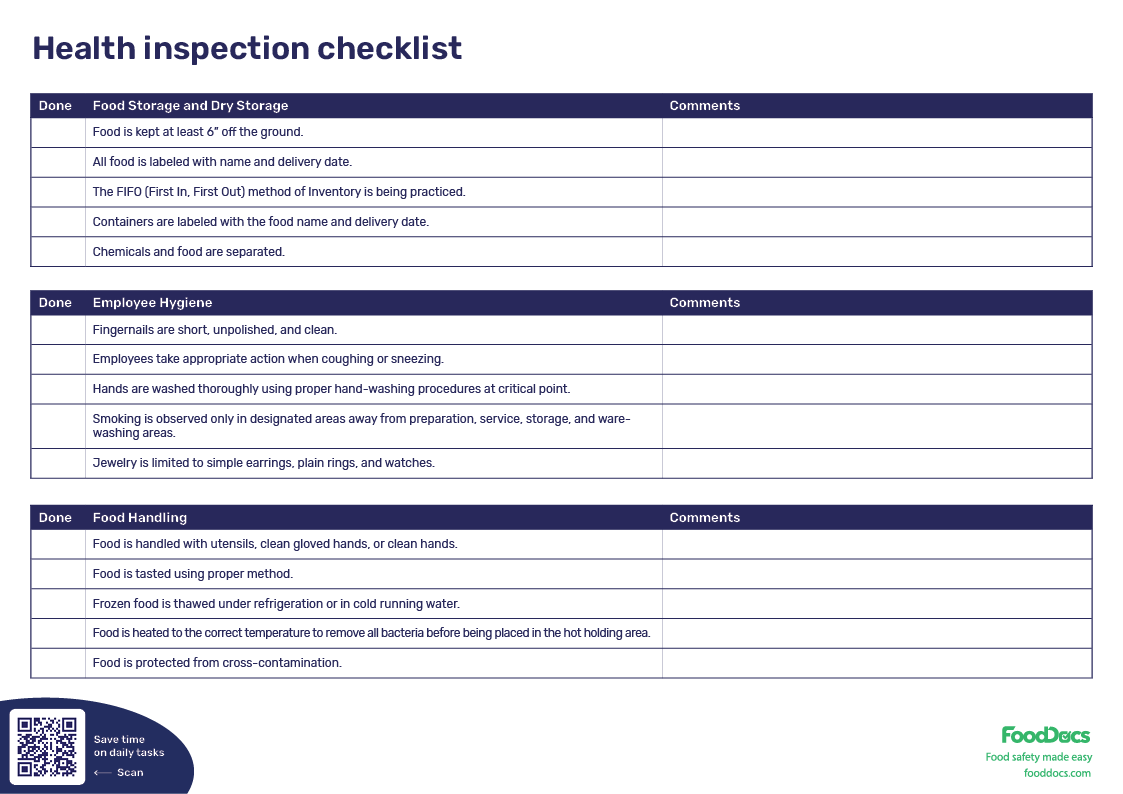
Schedule your health department inspection early—wait times range from 2-8 weeks depending on your city. You’ll need a food service license ($200-800 annually) and food handler’s permits for each staff member ($15-50 each). Most ghost kitchens pass inspection on the first try by ensuring these three items: proper handwashing stations, temperature-controlled storage, and documented food safety procedures.
Time-Saving Shortcut: Many cities now offer expedited ghost kitchen inspections for an additional $100-200 fee. This 2-3 day processing instead of 2-8 weeks could mean capturing lucrative holiday ordering seasons.
Build Your Digital Brand Before Launch Day
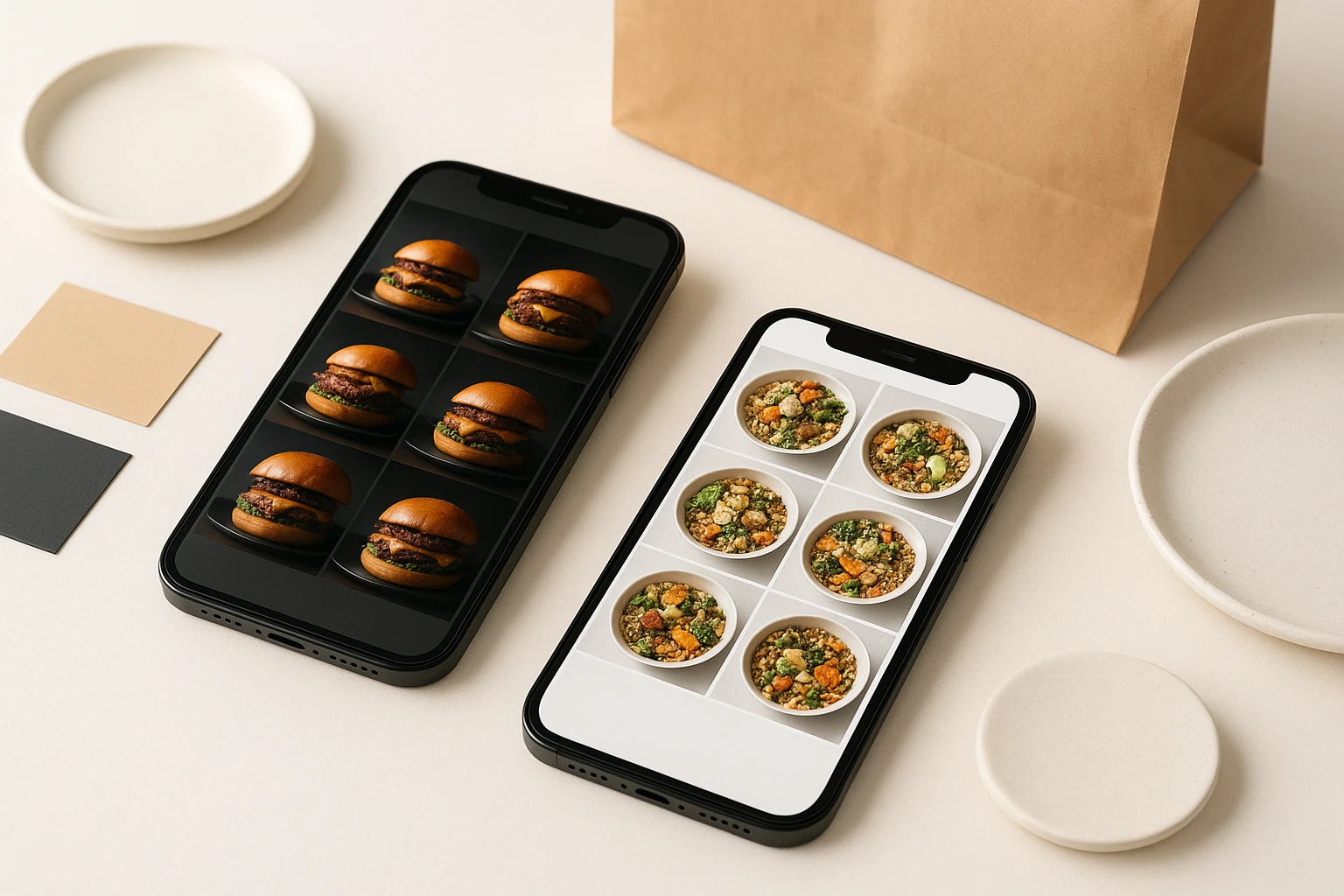
Your ghost kitchen needs compelling visuals that convert scrollers into customers on delivery apps. Invest in professional photography showing your food in delivery containers, not fancy restaurant settings. Top-performing ghost kitchens use these specific photo requirements:
- 5-7 high-resolution food photos with natural lighting
- 45-degree angle shots highlighting texture and portion size
- Lifestyle images showing packaging and unboxing experience
- No filters or excessive editing that misrepresents food quality
Proven Tactic: Restaurants with professional food photography see 40% higher conversion rates on delivery apps. Don’t skip this critical step—even the best food won’t sell with blurry iPhone pictures.
Optimize Your Delivery Menu for Maximum Profit
Design Travel-Friendly Dishes That Survive Transit

Focus on foods that maintain quality during 15-30 minute delivery windows. Bowls, sandwiches, wings, and comfort foods consistently rate highest for delivery satisfaction. Avoid items requiring assembly, delicate presentations, or precise timing like soufflés or rare steaks. Test each menu item by ordering your own food during peak delivery times—what looks perfect at pickup often becomes a soggy mess 20 minutes later.
Expert Insight: Successful ghost kitchens use vented containers for crispy items, insulated bags for hot foods, and separate sauce compartments. This packaging investment (adding $0.50-1.00 per order) reduces negative reviews by 60% according to industry surveys.
Calculate Pricing That Covers Hidden Costs
Use this formula to set profitable prices: (Base food cost × 3.2) + packaging + delivery commission buffer. Example: $4 ingredient cost × 3.2 = $12.80 + $1.50 packaging + $3.70 commission buffer = $18 menu price. Most operators fail by forgetting the commission buffer—those “free delivery” promotions come out of your pocket, not the platform’s.
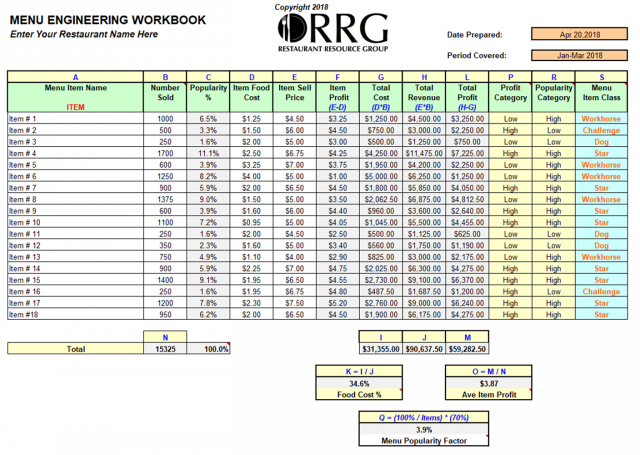
Red Flag: If your average order value falls below $22, you’re likely losing money after platform commissions, packaging, and labor. Immediately adjust menu engineering to push higher-margin items through strategic placement and descriptions.
Launch Your Ghost Kitchen in Six Weeks Flat
Execute This Pre-Launch Timeline Without Fail
Week 1: Finalize permits and insurance—delay here pushes your entire timeline
Week 2: Set up kitchen equipment and technology systems
Week 3: Hire and train minimal staff (2-3 people for first 50 orders daily)
Week 4: Test and photograph all menu items with delivery simulation
Week 5: Soft launch with 20% discounts for friends, family, and food bloggers
Week 6: Full launch across all platforms with targeted social media ads
Critical Path Item: Never skip the soft launch phase. The first 50 orders reveal operational flaws that could destroy your reputation if exposed to the public. One Chicago operator discovered his “signature sauce” leaked through containers only after 30 soft launch orders—fixing it saved his business from 1-star reviews.
Monitor These Metrics Daily During First Month
Track these vital signs religiously during your launch phase:
– Total orders per platform (aim for 50+ daily by week 3)
– Average order value (target $25-35 for profitability)
– Customer ratings (4.5+ stars required for top platform placement)
– Prep time (keep under 12 minutes during peak hours)
– Food cost percentage (stay below 32% of sales)
Urgent Warning: If your food cost exceeds 35% or prep time exceeds 15 minutes during rush hours in week 2, immediately simplify your menu. Most failed ghost kitchens ignore these early warning signs until it’s too late.
Scale Your Ghost Kitchen Empire Strategically
Implement These Growth Tactics After Hitting $20,000 Monthly Revenue
Once your first location proves profitable, expand using these low-risk strategies:
– Brand Multiplication: Launch 2-3 additional virtual concepts from the same kitchen using different menus and branding
– Direct Ordering: Save 15-30% in commissions by driving customers to your own website through packaging inserts
– Catering Expansion: Target corporate accounts with lunch programs (20-30% higher margins than delivery apps)
– Geographic Expansion: Open new locations in different delivery zones once you’ve mastered operations
Proven Path: The most successful operators launch their second virtual brand from the same kitchen within 90 days of the first concept hitting profitability. Shared infrastructure makes this expansion nearly cost-free while doubling revenue potential.
The operators who succeed in ghost kitchens treat their ventures like technology startups—relentlessly testing, optimizing, and scaling based on data rather than intuition. Start with one laser-focused concept in a single delivery zone, perfect your operations, then expand systematically. By following this blueprint to open a ghost kitchen, you’ll avoid the costly mistakes that sink 60% of new virtual restaurants in their first year. Within 12 months, you could be managing multiple digital brands generating six-figure annual revenue—all from a kitchen no customer will ever see. Your journey to open a ghost kitchen starts today with one critical decision: which high-demand zone will you conquer first?