That moment when you reach for your favorite mug only to cause a domino effect of tumbling dishes? Or digging past expired spices to find baking soda? You’re not alone—most homeowners waste 12 minutes daily searching for misplaced kitchen items. The best way to organize kitchen cabinets transforms this frustration into a seamless cooking experience. Forget Pinterest-perfect perfection; this guide delivers practical, zone-based strategies that actually work in real kitchens. You’ll learn how to create a system that cuts meal prep time in half, prevents food waste, and stops the dreaded “cabinet avalanche” for good.
Choose Your Organization Battle Plan
Full-Scale vs. Incremental Approach
One-Shot Method works best when you need aggressive decluttering or have a small kitchen. Empty every cabinet onto your counters, deep clean surfaces, then redistribute items using functional zones. Budget 2-8 hours for this approach—ideal for dedicated weekend warriors who can handle temporary chaos. You’ll gain immediate clarity but need counter space for sorting.
Incremental Method suits busy households or minor reorganizations. Tackle just 1-3 cabinets per session, moving items to nearby spaces temporarily. This prevents overwhelming piles while building sustainable habits—perfect if you cook daily and can’t clear all counters at once. Start with your most chaotic cabinet (usually the pantry or dishware zone) for quick wins.
Hybrid Model splits your kitchen into functional halves. Organize the cooking zone (near stove/oven) one weekend, then the dining zone (plates/glassware) the next. This balances thoroughness with manageability—especially useful for large kitchens where a full overhaul feels daunting.
Pre-Organization Declutter Sprint
Before adding organizers, ruthlessly purge these cabinet killers:
– Broken or stained items (chipped dishes, warped plastic containers)
– Duplicates (excess wine openers, mismatched measuring cups)
– Expired contents (food older than 6 months, mystery powders in jars)
– Orphaned components (lids without containers, single oven mitts)
Place questionable items in a “decision box.” After reorganizing, revisit the box—if you didn’t miss those items during cooking, donate or discard them immediately. Never skip this step: organizing around clutter guarantees relapse.
Zone-Based Storage That Actually Works
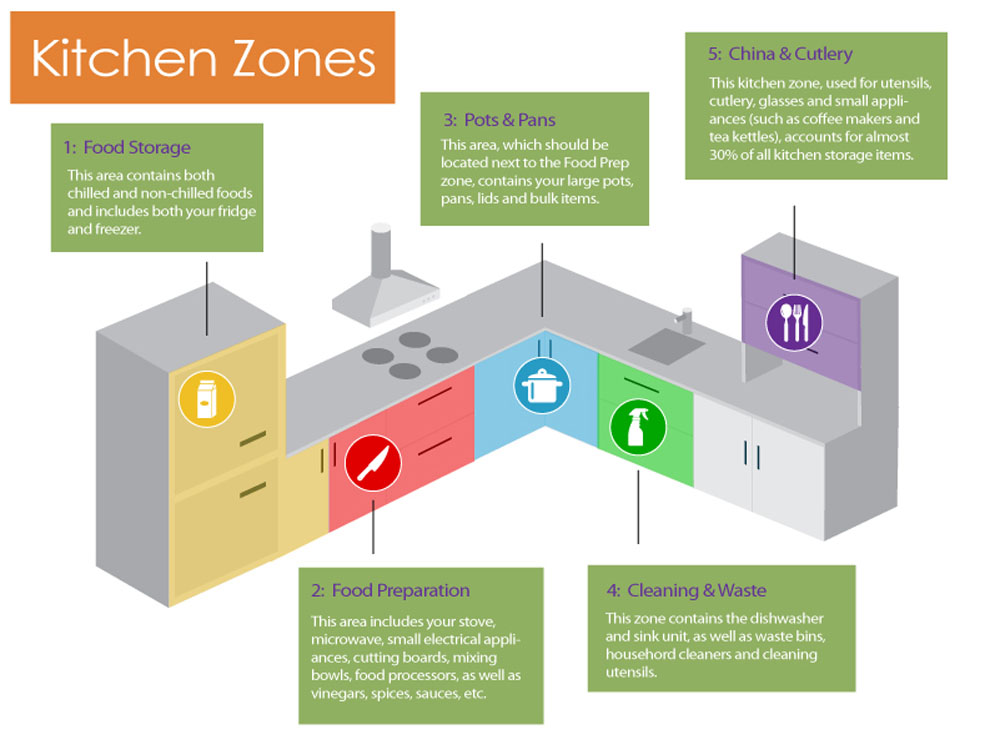
Daily Dishes & Glassware Zone
Position this zone on eye-level shelves nearest your dishwasher—not above the stove where heat warps plastics. Stack plates largest on bottom with no more than 8-10 per stack to prevent collapses. Nest bowls only if used as matching sets; otherwise, separate everyday bowls from serving pieces. Dedicate one shelf exclusively to glasses—mixing with mugs creates daily frustration when you can’t find your water glass.
Pro Tip: Install adjustable dish racks to prevent sliding stacks. Line shelves with patterned grippy liners (not plain white—they highlight crumbs) for both security and aesthetics. For mugs, use under-shelf hooks to free up valuable shelf space while creating visual appeal.
Cookware Command Center
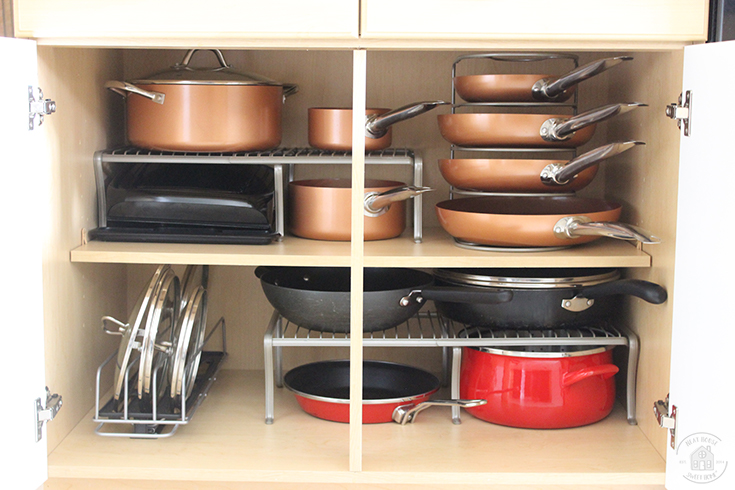
Store heavy pots like Dutch ovens on your lowest shelf or in a pull-out drawer—lifting them from high cabinets risks injury. Nest pots by size vertically, but store lids separately using a vertical rack mounted inside the cabinet door. This eliminates precarious stacks and makes lids instantly accessible.
Space-Saving Hack: Repurpose a metal file organizer to store baking sheets and cutting boards vertically. This single solution frees 50% more space than horizontal stacking and prevents that “back corner black hole” where sheets vanish. For daily-use skillets, mount a wall rail near your stove to free an entire cabinet.
Pantry Organization That Prevents Food Waste
Containerizing Strategy
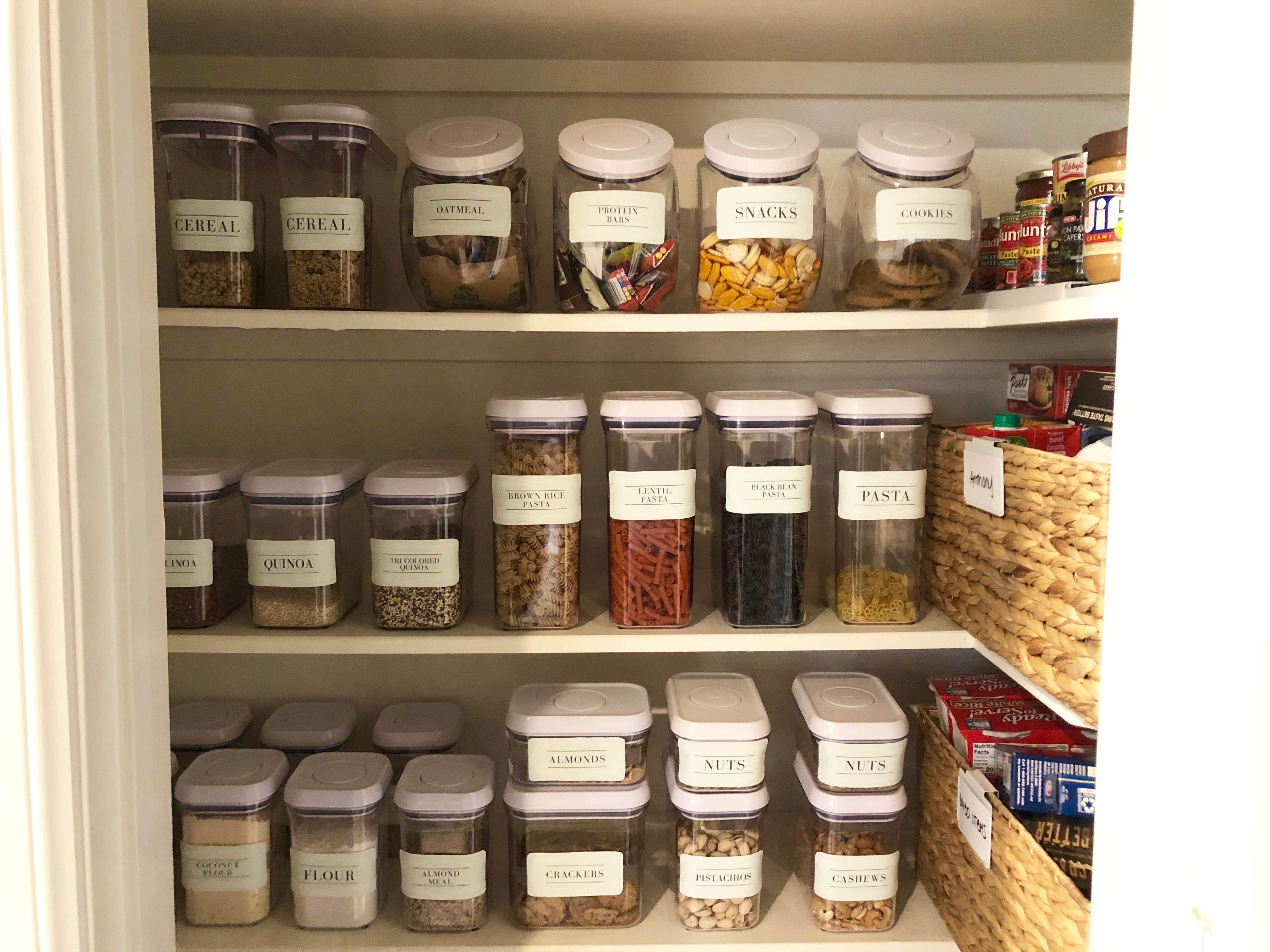
Transfer dry goods like flour, sugar, and rice into square, stackable airtight containers—not round jars. Square shapes maximize shelf space by eliminating wasted gaps. Label each container’s front with contents and expiration dates using chalk markers for quick visibility.
Implement a strict FIFO (First In, First Out) system: Always place new groceries behind older items. Create a dedicated “use first” section for products expiring within 30 days—position this at eye level so it’s impossible to miss. Group similar items (pasta types, canned beans) in clear bins to prevent avalanche-style spills when reaching for one item.
Spice Storage Solutions
Install a tiered pull-out rack inside your pantry door—alphabetize spices for speed during cooking. For frequent-use spices like salt and pepper, try magnetic tins on your fridge side; they’re within arm’s reach while you cook. Repurpose an over-door shoe organizer for spice packets, seasoning blends, and small baking ingredients—each pocket holds one category to prevent jumbled confusion.
Smart Hardware That Doubles Storage
Pull-Out Systems That Transform Deep Cabinets
Full-extension shelves installed in lower cabinets eliminate the “back corner black hole.” These glide completely out, revealing every item without crawling on hands and knees. For corner cabinets, lazy Susans are non-negotiable—they rescue 30% of wasted space for oils, condiments, or baking essentials.
Vertical Space Maximizers: Use adjustable shelf risers to double usable space for canned goods or dishes. Mount under-shelf hooks for coffee mugs—this frees 20% more shelf space while creating visual interest. Under upper shelves, install wine-glass racks that hold stemware by the base; this creates storage and display simultaneously.
Cleaning Supply Command Center
Under-Sink Organization
Transform this chaotic zone with a pull-out caddy that glides out fully. Group dishwasher tabs, trash bags, and scrubbers in stackable bins to prevent jumbled messes. Install a tension rod across the cabinet width to hang spray bottles vertically—this stops tipping and makes every cleaner instantly visible.
Critical Safety Note: Keep chemical cleaners above dishwasher pods to prevent accidental mixing if leaks occur. Use adhesive hooks inside the cabinet door for gloves and microfiber cloths—position them at eye level so you never waste time hunting for cleaning tools.
Maintenance System That Prevents Relapse
Weekly Reset Routine
After grocery shopping: return items to correct zones immediately—don’t just stash them anywhere. Push older pantry items forward and place new purchases behind them to maintain FIFO flow. Wipe container bottoms before shelving to prevent sticky buildup that attracts pests.
Quarterly Mini-Declutter
Every 3 months:
1. Check expiration dates on all pantry items
2. Purge unused gadgets (single-function tools like avocado slicers)
3. Refresh worn labels with new chalk-marker writing
4. Adjust lower shelves if children gain cooking independence
Pro Tip: Keep a running inventory list taped inside your pantry door. Note quantities of bulk goods like rice or pasta—update after each shopping trip to prevent overbuying.
Quick Shopping Checklist Before You Buy
Measure First, Buy Later: Record exact shelf heights, depths, and door clearance before shopping. Note weight limits—adhesive hooks fail with heavy pots, while screw-mounted systems handle 15+ lbs.
Aesthetic Harmony: Choose one cohesive theme (all clear bins, stainless racks, or bamboo trays) to avoid visual chaos. Prioritize modular systems like stackable bins that expand with future needs—start small with high-impact solutions like shelf risers before investing in custom pull-outs.
Budget-Smart Start: Test one product (like a $10 tension rod for baking sheets) before committing to entire cabinet systems. The highest ROI solutions cost under $25: shelf liners, clear bins, and under-shelf hooks deliver instant results.
Transforming your kitchen cabinets isn’t about achieving magazine-ready perfection—it’s building a system that works with your actual cooking habits. Start small: spend just 45 minutes this weekend reorganizing your daily dishes cabinet using these principles. Empty everything, deep clean the shelves, then implement the zone-based stacking rules. When you grab your morning coffee without triggering a mug avalanche, you’ll feel the immediate payoff. That momentum will propel you through the rest of your kitchen—one functional zone at a time. Your future self, calmly finding the right spice while dinner simmers, will thank you.