Picture this: you reach for your favorite mug only to knock over a spice jar, spilling turmeric across your wooden shelves. Without protection, that stain becomes a permanent reminder of the accident. Whether you’re a renter protecting your security deposit or a homeowner preserving expensive cabinetry, knowing how to cover kitchen shelves transforms both appearance and longevity. This guide reveals exactly how to shield shelves from stains, prevent items from sliding through wire racks, and extend cabinet life—all while adding style. You’ll discover which liners survive heavy pots without peeling, master bubble-free installation techniques, and learn budget hacks costing less than $5.
Covering kitchen shelves isn’t just about aesthetics—it’s essential damage control. Moisture warps wood, heavy cookware leaves dents, and acidic spills etch surfaces permanently. A quality liner acts as a sacrificial barrier, absorbing these assaults so your underlying shelves stay pristine. Homeowners gain resale value through maintained cabinetry, while renters avoid hundreds in deposit deductions during move-out inspections. In this guide, you’ll learn to choose materials matched to your specific shelf type, execute professional installations that last years, and maintain your liners for maximum longevity. Let’s transform your storage spaces into organized, protected zones that make daily kitchen use effortless.
Stop Rental Deposit Loss: 4 Critical Benefits of Covering Shelves
Surface protection pays off immediately when spills happen. Your shelves face daily assaults from moisture, oils, and heavy items. A liner absorbs turmeric stains, wine spills, and water rings that would otherwise permanently damage wood veneers. For renters, this is non-negotiable—landlords routinely deduct $200+ for stained or scratched shelves during move-out inspections. Homeowners gain similar value through preserved cabinetry that maintains resale appeal.
Conceal existing damage instantly without refinishing costs. Water stains, peeling finishes, cracks, or mismatched cabinet colors disappear beneath liners. This proves invaluable in older homes where decades of wear show through original cabinetry. The right liner choice unifies mismatched units into a cohesive design while adding personality through patterns.
Organization improves through psychological commitment. When you invest effort in lining shelves, you’re more likely to maintain tidiness. Defined liner edges create visual boundaries that establish clear zones for dishes, pantry items, or glassware. This subtle psychological nudge transforms chaotic cabinets into intentionally organized spaces.
Functional upgrades solve daily frustrations. Liners prevent glassware from sliding on smooth surfaces, eliminate items tipping through wire shelf gaps, and create wipeable surfaces for inevitable spills. Heavy pots won’t dent protected surfaces, and delicate china gains cushioning on fabric liners.
Why Plastic Liners Outperform Paper for Spill Zones
Paper liners fail catastrophically in high-risk areas like under-sink cabinets. Glossy magazine pages might handle light splashes, but prolonged moisture causes warping and mold. Plastic options like Plast-O-Mat’s ribbed liner create complete waterproof barriers that withstand dishwasher steam and sink leaks. Their dual-sided design features grippy ridges facing up (to stabilize bottles) and smooth surfaces down (for easy removal). Crucially, plastic liners prevent moisture absorption that causes wooden shelves to warp—a permanent damage paper can’t stop.
Choose the Right Liner: 5 Best Materials for Your Shelves
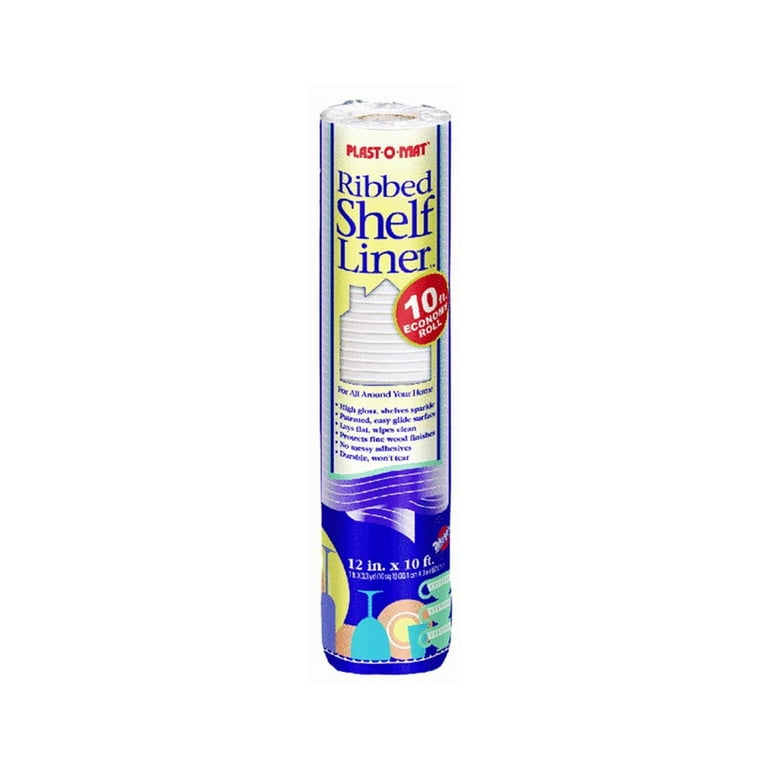
Plast-O-Mat Ribbed Liner dominates durability tests with users reporting 5+ years of continuous use. Its 144″ x 300″ roll covers extensive shelving, while the clear material maintains visibility of contents below. Unlike cheaper options, it resists curling and handles heavy pots without denting. Machine-washable for deep cleaning, this liner stays grippy even when wet—critical for glassware storage. Avoid thinner alternatives that develop permanent indentations under weight.
Clorox Solid Grip Liner delivers best value under $10 for its 20″ x 72″ roll. This PVC liner withstands daily abuse in budget-conscious kitchens. Machine washability makes it ideal for spill-prone zones, though avoid placing heavy Dutch ovens directly on it—deep indentations may form over time. Its solid grip texture prevents jars from sliding, solving a common pantry frustration.
Contact Paper vs. Self-Adhesive Liners: Critical Differences
Contact paper wins for renters with its pressure-sensitive adhesive that removes cleanly. Cut exact shelf dimensions (no overhang) for bubble-free application. Its extensive pattern library lets you add marble textures or bold prints to hidden spaces. Crucially, avoid stretching during installation—this causes unsightly wrinkles when humidity changes.
Self-adhesive liners create residue nightmares. Once applied, removal often leaves sticky residue that damages veneers. Their aggressive adhesive makes repositioning impossible mid-installation. Reserve these for owned homes where you’ll keep the liner permanently, and always test a small corner first.
Fix Wobbly Cans: Wire Pantry Shelf Solutions That Work
Plexiglass sheets eliminate wire grid frustrations for heavy pantry items. Measure shelves exactly—no cutting required—and the clear surface prevents cans from tipping while allowing content visibility. Unlike flimsy liners, plexiglass handles 20+ pounds of canned goods without sagging. Simply lift sections for cleaning during pantry resets.
Plastic roll covering adapts to curved wire shelves with clear, colored, or frosted finishes. Weight down corners with books overnight to prevent curling before final trimming. This solution costs under $15 for most pantries and creates a seamless surface that stops crumbs from falling through gaps.
Container Alternatives When Liners Fail
When wire shelves resist traditional lining, plastic woven baskets glide smoothly while containing small items like spice packets. Dollar store wash tubs provide the most economical solution—group similar items (canned tomatoes, cereal boxes) to prevent shifting. For maximum visibility, stadium risers create tiered displays where back-row cans become instantly accessible.
Install Liners in 5 Steps: Bubble-Free Application Guide
Prep shelves like a pro by vacuuming crumbs from corners, then wiping with all-purpose cleaner. Pay special attention to under-sink areas where grease accumulates. Allow shelves to air-dry completely—trapped moisture causes mold and liner lifting. Measure each shelf individually with a cloth tape; never assume uniform dimensions.
Cutting Secrets for Perfect Edges
Use the right tools for your material. Rotary cutters with 24″ rulers create flawless straight edges on plastic liners. Fabric options like Williams Sonoma’s waterproof material require box cutters against metal rulers—scissors leave jagged edges. Crucially, cut exact dimensions with zero overhang. Excess material catches on items, causing premature lifting. For geometric patterns, align designs with shelf edges before cutting.
The 1-Inch Adhesive Method That Prevents Bubbles
Fold back just 1″ of backing paper from your dominant-hand side. Position the entire sheet (mostly un-sticky) into place first—adjust until perfectly aligned. Affix the exposed strip carefully without shifting the liner. Slowly peel remaining backing while smoothing with a credit card, working from center outward. If bubbles appear, peel back to the problem area and re-smooth rather than scraping (which creates permanent wrinkles).
Match Liner Patterns to Your Kitchen Decor: Style Secrets

Dark colors hide stains in high-risk zones like under-sink cabinets where leaks occur. Charcoal gray or navy liners disguise daily wear while adding sophistication. In contrast, light patterns brighten dark cabinets but require more frequent cleaning—reserve these for upper cabinets storing infrequently used items.
Bold accents surprise in hidden spaces. Vibrant floral patterns inside otherwise neutral drawers create delightful moments when opened. For resale-friendly appeal, neutral marble textures like Duck Brand’s gray marble option blend with any kitchen scheme while hiding seam mismatches better than solid colors.
Extend Liner Life: Cleaning and Maintenance Tips

Plastic liners need 30-second wipe-downs after spills using microfiber cloths and mild cleaners. For deep cleaning, remove and wash in the sink with dish soap—avoid harsh abrasives that scratch surfaces. Air-dry completely before reapplying to prevent moisture trapping.
Fabric liners require immediate spot treatment. Blot spills instantly with a dry cloth before they penetrate. Machine-wash Williams Sonoma options monthly using gentle cycles, then air-dry flat. Never tumble-dry fabric liners—heat shrinks materials and weakens waterproof backing.
When to Replace vs. Repair Damaged Liners
Replace paper liners immediately when soiled—they’re designed for single-use. For plastic liners, cut out stained sections with box cutters and replace with matching pieces (keep roll scraps for repairs). Discard fabric liners if machine washing causes pilling or loss of waterproofing. Always replace liners showing mold growth—no amount of cleaning makes them safe.
Save $50 Now: Budget-Friendly Shelf Covering Hacks
Repurpose household items for zero-cost lining. Glossy magazine pages create wipeable surfaces in rarely used cabinets. Heavy-weight wrapping paper adds color to drawer organizers—simply replace when stained. For wire shelves, recycled plastic containers from takeout meals can be cut to size as rigid bases.
Dollar Store Wire Shelf Fix
Wash tubs solve wire grid problems for $1. Available at any dollar store, these shallow containers prevent items from tipping while grouping similar pantry goods. Place them directly on wire shelves—they’re lightweight enough to lift for cleaning but heavy enough to stay put during use. For under-sink cabinets, stackable bins create custom zones for cleaning supplies without permanent modifications.
Covering kitchen shelves takes under two hours but delivers years of protected storage. Start with your most-used cabinet—like the one holding daily dishes—and perfect your technique before expanding. For renters, Plast-O-Mat’s removable liner preserves deposits while adding style. Homeowners should prioritize wire pantry shelves with plexiglass sheets to stop wobbling cans. Remember the 1-inch adhesive method for bubble-free results, and always cut exact dimensions—no overhang. Within a weekend, you’ll transform chaotic, damaged shelves into organized, protected zones that make kitchen use effortless. The next time turmeric spills, you’ll wipe it off your liner instead of cursing a permanent stain. Your cabinets deserve this simple upgrade—start lining today.