
Your rental kitchen’s beige cabinets and fluorescent lighting make cooking feel like a chore, not a joy. With strict “no permanent changes” lease clauses, you might think you’re stuck with builder-grade boredom. But how to decorate an apartment kitchen successfully is simpler than you imagine—using removable upgrades that cost less than a restaurant meal and won’t risk your security deposit.
Imagine swapping dated countertops for faux-marble contact paper in one afternoon or installing a showstopping pendant light without landlord permission. This guide reveals exactly how to transform your rental kitchen into a space that sparks creativity, using only reversible, damage-free solutions backed by real renter success stories. You’ll learn to maximize storage in tight layouts, create visual depth in tiny footprints, and execute a weekend overhaul that impresses even skeptical landlords.
Skip Paint Permits with Peel-and-Stick Magic
Forget begging for painting permission—rental-friendly surface upgrades deliver instant style without brushes or fumes. Smart Tiles and Tempaper backsplashes mimic subway tile or geometric patterns for $25–$120, while contact paper transforms laminate counters into marble masterpieces. These solutions bypass lease restrictions entirely since they peel off cleanly at move-out.
Transform Backsplash Without Drilling
Measure from countertop to upper cabinets first—most rentals need 2–4 tile packs. Clean walls with rubbing alcohol (never ammonia-based cleaners) to remove grease residue that causes lifting. Start at your stove’s centerline, using a level to mark alignment. Press tiles firmly while applying low-heat from a hair dryer along edges to activate adhesive. For outlets, cut tiles with craft scissors in a “U” shape, then tuck edges under faceplates.
Countertop Contact Paper Hacks
Choose high-resolution granite or marble-pattern PVC rolls ($15–$40) for seamless results. After cleaning with alcohol, unroll paper 6 inches beyond your countertop edge. Use a credit card to smooth bubbles outward from the center, applying firm pressure. For rounded corners, overlap paper by 1 inch, then trim excess with a sharp utility knife. Finish with clear packing tape along edges to prevent peeling during dishwashing.
Floor Fixes That Roll Away
Hide ugly vinyl tile with washable cotton runners ($25–$100) that roll up for cleaning. Select patterns matching your backsplash—like navy stripes with white subway tiles—to create visual flow. Anchor corners with double-sided rug tape rated for kitchens (avoid standard tape that fails on grease). In galley kitchens, choose 2×3-foot runners leaving 6 inches of floor visible on all sides to avoid cramped sightlines.
Triple Storage Without Renovations
:max_bytes(150000):strip_icc()/thd-busymom-supercab-0315_vert-2000-5060a9f7195c4e3b8bd29e72aa02d20a.jpg)
Rental kitchens waste 30–40% of cabinet space storing pots and spices. Reclaim every inch with vertical solutions that require zero carpentry—just strategic use of dead zones and magnetic surfaces.
Ceiling Solutions That Free Cabinets
Install pot racks by finding ceiling studs with a magnet (not drywall anchors). Hang lightweight copper pans directly, but test heavy cast-iron on one hook first. Position racks 30 inches above counters so you can reach without straining. For renters with low ceilings, try wall-mounted pegboards instead—they hold knives, cutting boards, and utensils while freeing lower cabinet space.
Slim Storage for Dead Spaces
Slide 2-inch powder-coated metal shelves ($20–$35) into the 3-inch gap between your fridge and wall. These hold olive oil, vinegar, and spice racks vertically without blocking appliance vents. Choose matte black or brass finishes to match cabinet hardware. Critical tip: Measure your fridge’s swing radius first—some models need 18 inches clearance to open fully.
Magnetic Magic on Unused Walls
Stick magnetic spice jars to your refrigerator side or a metal backsplash panel. Transfer spices into uniform containers for a clean look, then group by color (reds for paprika/cayenne, greens for herbs). Add magnetic hooks for measuring spoons and oven mitts. This instantly frees two cabinet shelves while creating a functional focal point.
Light Fixture Swaps That Impress Landlords
Ditch harsh fluorescents for warm, flattering light in under 30 minutes. The secret? Store original fixtures and document wiring so reinstallation is foolproof at move-out.
Pendant Light Protocol
Always turn off power at the breaker—not just the wall switch—before starting. Photograph existing wiring connections with your phone. Most rentals use standard mounting brackets, so new pendants (like Amazon’s $35 matte black options) install in minutes. Store nuts and screws in labeled bags clipped to the old fixture. When moving out, reconnect the original fixture using your photos as a guide.
Under-Cabinet LED Strips
Battery-powered LED bars ($25–$35) eliminate countertop shadows without wiring. Stick them 2 inches back from the counter edge using 3M strips to avoid glare. Choose 2700K warm white bulbs (not cool blue) for natural food photography lighting. For renters with glass cabinets, tuck strips behind shelves to spotlight dishware.
Window Treatments That Hide Eyesores
Conceal water-damaged lower cabinets with café curtains on magnetic rods. Measure your window width, add 4 inches for fullness, and hem fabric to sit 1 inch above the sill. Match curtain colors to your living room’s accent palette—like terracotta in a neutral space—to create seamless open-plan flow.
Color Psychology for Tiny Kitchens
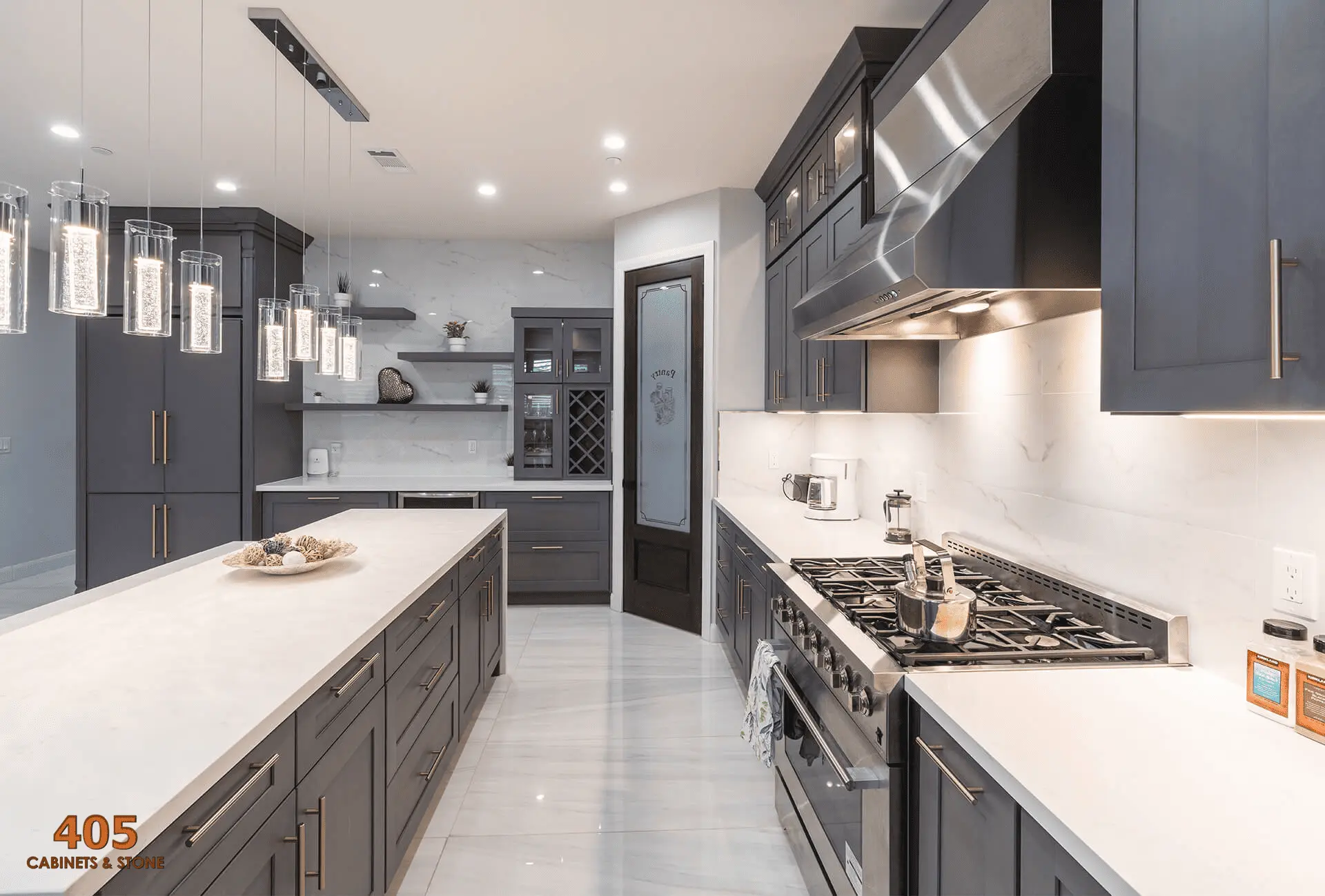
Dark walls don’t shrink small kitchens if you follow these evidence-based tricks. Charcoal lowers with white uppers ground the space while keeping it airy, especially when paired with reflective surfaces.
Dark vs. Light Decisions
For windowless kitchens, paint only lower cabinets charcoal (like Behr’s Black Bean) while keeping uppers white. Add brass hardware to warm up the contrast. If natural light floods your space, try grasscloth peel-and-stick wallpaper on one wall for texture without permanence. Avoid painting entire rooms dark—it overwhelms tight footprints.
Mirror Tricks That Double Space
Install Zellige-glazed peel-and-stick tiles ($40–$80) behind the stove—they bounce light 20% brighter than standard subway tiles. Position a large mirror opposite windows to reflect outdoors, creating the illusion of doubled square footage. Group reflective items (copper pots, glass jars) together on open shelves for cumulative impact.
Cohesive Color Flow Rules
Repeat your kitchen’s accent color in adjacent rooms through matching accessories. If your backsplash has navy tiles, use navy throw pillows in the living area. Limit your palette to three colors max—like white, black, and brass—to avoid visual noise in open layouts.
Weekend Transformation Timeline

Saturday Morning (3 Hours)
Remove dated hardware using a screwdriver, storing originals in labeled bags. Install new matte black or brass pulls—they modernize oak cabinets instantly. If hole patterns differ, fill old spots with wood filler and let dry before painting.
Saturday Afternoon (4 Hours)
Apply peel-and-stick backsplash starting from your stove’s center. Cut tiles around outlets with craft scissors, pressing firmly with a credit card. Wrap countertops with contact paper, trimming edges with a utility knife.
Sunday Setup (2 Hours)
Swap light fixtures using your wiring photos. Style shelves using the 70/30 rule: 70% functional dishware, 30% décor like trailing pothos plants. Roll out your runner, securing corners with kitchen-rated rug tape.
Budget-Smart Shopping List
Under $50 Total: Contact paper countertops ($15), new cabinet pulls ($12), LED strips ($20), and a washable runner ($25) deliver maximum impact.
Under $150: Add peel-and-stick backsplash ($50) and a thrifted rolling cart ($30) for extra prep space. Hunt Facebook Marketplace for butcher-block islands under $100.
Under $300: Complete your overhaul with a pendant light ($80), magnetic storage system ($40), and cohesive accessories in your chosen palette.
Common Renter Mistakes to Avoid
Surface prep skipping causes peel-and-stick tiles to lift within weeks. Always clean walls with rubbing alcohol first—ammonia-based cleaners leave residue that blocks adhesion.
Overloading open shelves creates visual chaos. Stick to the 70/30 rule and edit quarterly. Store mismatched mugs in cabinets, displaying only your favorite matching set.
Ignoring proportions overwhelms tiny kitchens. A 3×5 rug looks massive in galley layouts—choose 2×3 runners that leave floor space visible. Measure new carts against your fridge door swing to avoid collisions.
Quick Deposit-Return Checklist
- [ ] Photograph everything before starting
- [ ] Save all original hardware in labeled bags
- [ ] Test adhesives in inconspicuous spots first
- [ ] Buy extra peel-and-stick tiles for move-out repairs
- [ ] Keep receipts for light fixtures to reinstall originals
Transform your rental kitchen this weekend using these landlord-approved upgrades. Start with one high-impact zone—like swapping your fixture or applying contact paper—to build momentum. Your security deposit stays protected while you create a space that finally feels like home. In just 9 hours, you’ll move from “I hate cooking here” to “Why order takeout?”—proving that temporary doesn’t mean boring.