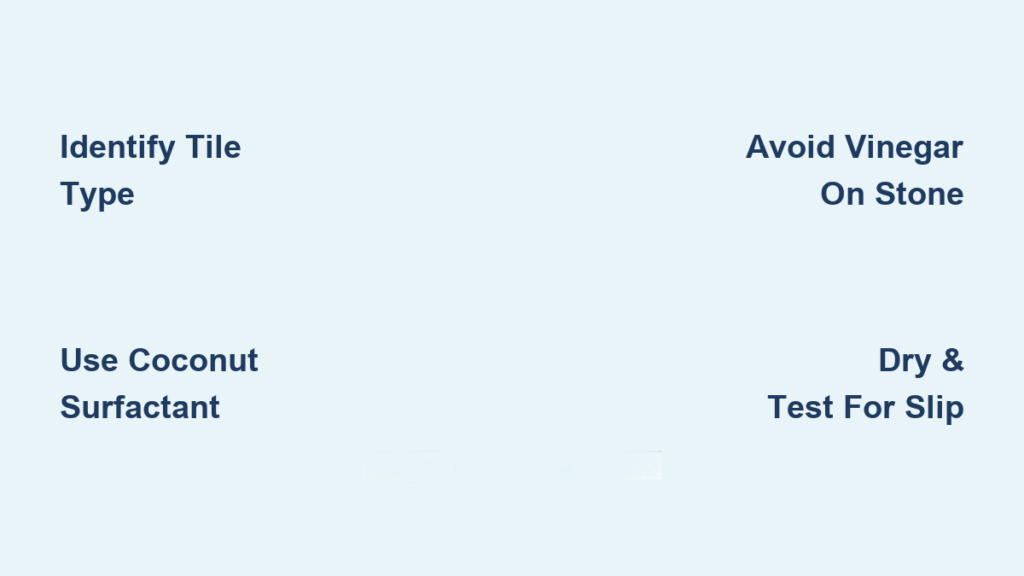
That stubborn film coating your kitchen tiles isn’t just dirt—it’s polymerised cooking grease chemically bonded to your floor. Every time you heat oil for tadka or deep-fry, microscopic droplets (0.1–5 µm) aerosolise and settle into microscopic crevices, creating a hydrophobic varnish that repels water. Within 24 hours, oxidation hardens this layer into a near-permanent coating that laughs at plain mopping. The solution? You need surfactants that break these molecular bonds without damaging your tiles. This guide delivers battle-tested methods for how to clean greasy kitchen floor tiles based on your specific surface type, from quick daily wipes to restaurant-grade deep cleans. You’ll discover why coconut-based degreasers outperform vinegar on glazed tiles, how to prevent efflorescence on terracotta, and critical slip-safety checks most guides ignore.
Match Your Cleaner to Your Tile Type
Why Glazed Ceramic & Porcelain Are Easiest
Glazed ceramic and porcelain tiles have a glass-like surface that resists grease penetration. The glaze creates a non-porous barrier, meaning grease sits on top rather than soaking in. This makes them ideal for stronger alkaline degreasers. Perform this quick test: Pour a water drop on a clean tile. If it beads and sits on the surface (like water on a raincoat), you have glazed tiles. Never use acidic cleaners like vinegar on natural stone—they cause permanent etching—but they work safely here to break grease bonds.
Terracotta’s Porous Trap
Unglazed terracotta and clay tiles are grease sponges. Their porous structure absorbs oil like a paper towel, requiring pH-neutral cleaners to avoid damage. If water drops vanish instantly into your tiles, you’re dealing with unglazed surfaces. Critical mistake: Using hot water causes rapid expansion that cracks tiles. Always stick to lukewarm water (max 30°C/86°F) to gently open pores without stress. Never apply baking soda paste directly—its abrasiveness scratches the soft clay surface.
Natural Stone’s Chemical Sensitivity
Marble, travertine, and slate react violently to pH extremes. Acidic cleaners (vinegar, lemon) etch the surface, while strong alkalines dull the finish. If your stone tiles show water spots that don’t bead, they’ve likely lost their sealant. Always use pH-neutral stone soap (30mL per 4L water) or enzymatic degreasers applied undiluted to spots—and rinse within 5 minutes. That turmeric stain? A baking soda paste will yellow it further; opt for mineral spirits (tested first in a hidden area).
Stop Grease Before It Hardens: Daily Tactics
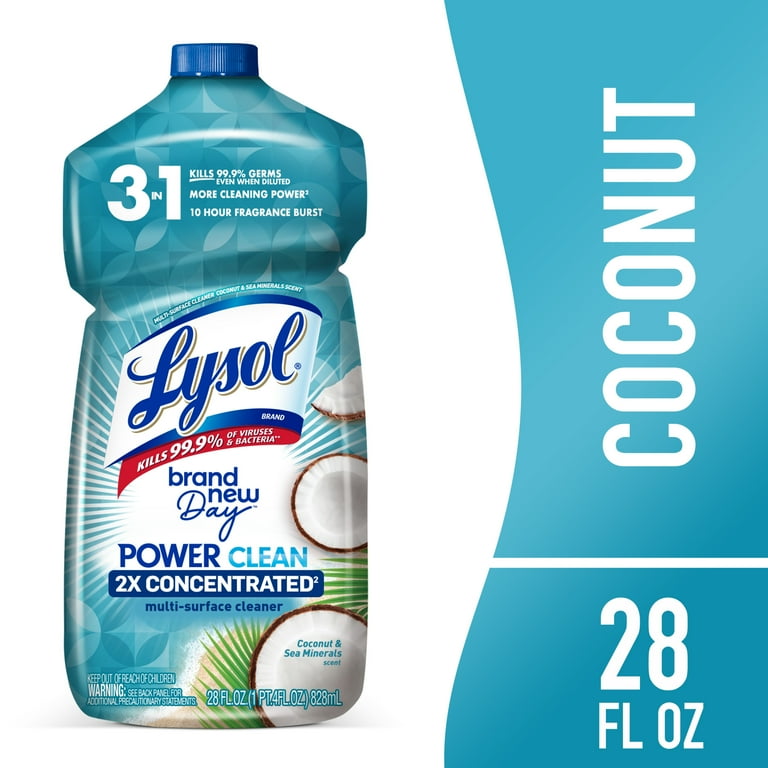
Coconut Surfactant Spray Protocol
Modern coconut-derived degreasers (coco-glucoside/coco-sulfate) create micelles that encapsulate grease molecules, lifting them without scrubbing. This is the fastest method for how to clean greasy kitchen floor tiles post-cooking:
1. Let tiles cool below 40°C (104°F)
2. Spray generously 15–20 cm from surface
3. Wait 5–10 minutes for micelles to form
4. Wipe with microfiber in overlapping circles
5. Light water rinse only for food zones
Apply this after major cooking sessions or 3x weekly minimum. Unlike vinegar solutions, it’s non-toxic and safe for homes with kids or pets.
Vinegar-Dawn Combo for Light Maintenance
For glazed tiles only: Mix 1 cup white vinegar + 1 liter warm water + 2 tsp Dawn dish soap. Mop the entire floor—no rinsing needed. The vinegar cuts grease while Dawn’s surfactants lift spice residues. Avoid this on stone or unglazed tiles; vinegar’s acidity destroys their integrity.
Deep Clean Glazed Tiles Without Scrubbing
Baking Soda Absorption Method
Forget elbow grease: Absorption beats abrasion for polymerised grease:
1. Sweep thoroughly to remove grit (prevents scratches)
2. Cover grease spots with ¼-inch baking soda or cornstarch
3. Wait 10–15 minutes—grease bonds to powder
4. Vacuum residue completely
5. Spray 1:1 vinegar solution or citrus degreaser (Simple Green)
6. Dwell 5–10 minutes (critical for bond breakdown)
7. Wipe with non-scratch sponge—grout needs a toothbrush
8. Rinse until squeaky; dry with microfiber
Pro Tip: Dawn Platinum Powerwash ($4.99) cuts through hardened grease 40% faster than regular dish soap. For DIY, mix 2 tsp washing soda + 1L hot water + 5 drops lemon oil.
Terracotta Tile Rescue Protocol
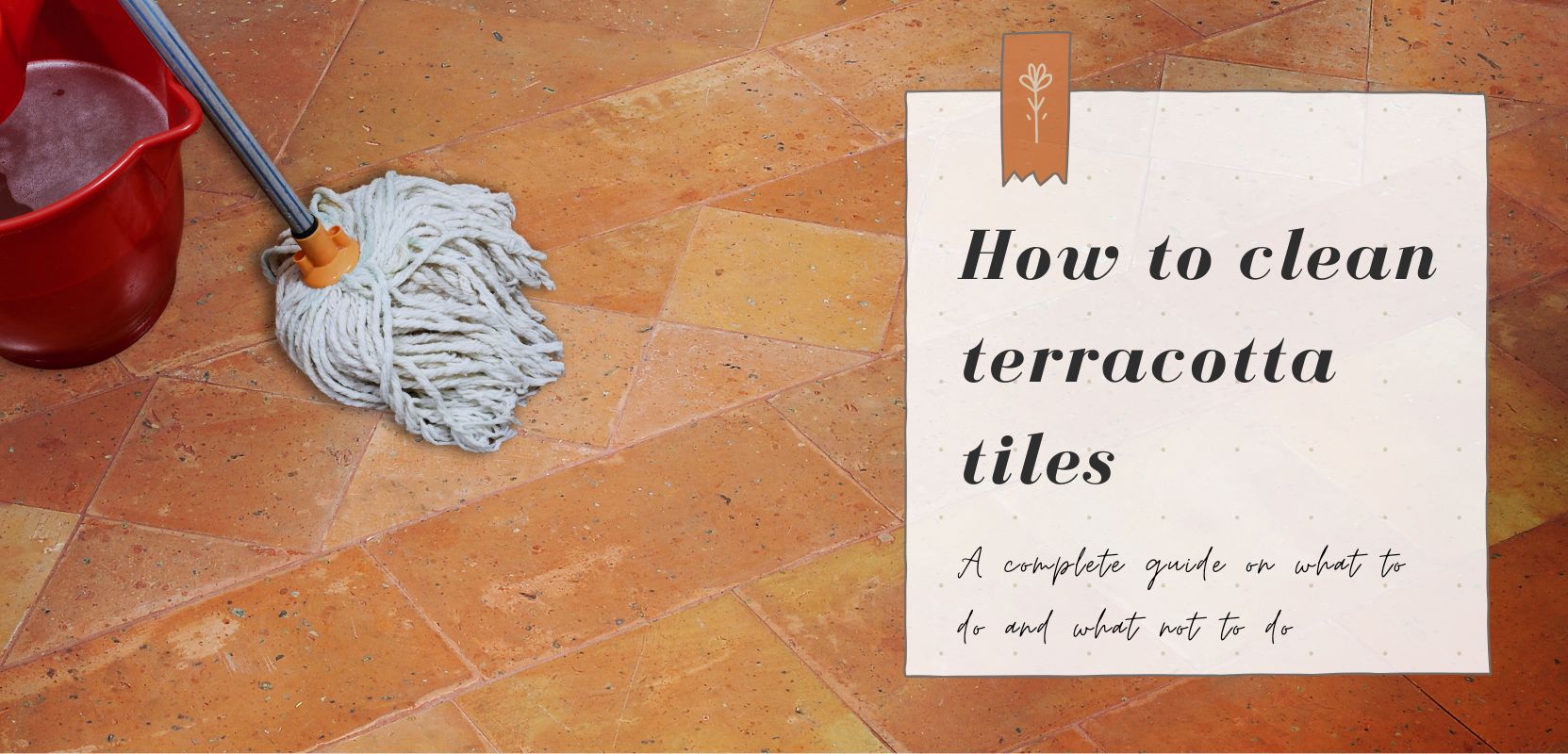
Temperature-Controlled Cleaning
Unglazed tiles expand/contract with temperature shifts. Always use lukewarm water (30°C max):
1. Dry sweep to remove grit
2. Mop with pH-neutral terracotta cleaner
3. Rinse and air-dry 12+ hours to prevent efflorescence
4. Monthly: Apply anti-limescale treatment to white blooms
Yellow Grout Fix: Turmeric + oil creates stubborn stains. Soak with baking soda paste for 30 minutes, scrub gently with brass bristle brush (never steel!), and rinse. Acidic cleaners dissolve the clay structure—skip vinegar entirely.
Stone Tile Emergency Cleanup
pH-Neutral Degreasing Sequence
Natural stone demands precision:
– Step 1: Blot fresh spills immediately with paper towels (never rub)
– Step 2: Spray enzymatic degreaser undiluted on spots
– Step 3: Wait 4 minutes max (5-minute limit prevents residue)
– Step 4: Rinse with distilled water to avoid mineral deposits
– Step 5: Dry with cotton towels—microfiber can scratch
Never Use: Vinegar, lemon juice, ammonia, or bleach. These cause irreversible etching that requires professional restoration. For severe cases, mineral spirits applied to a hidden test area first may work.
Restaurant-Grade Heavy Grease Removal
Commercial Deep Clean Steps
For extreme build-up (or weekly deep cleans in home kitchens):
1. Sweep debris thoroughly
2. Mix 300mL bleach + 7L warm water (or anti-slip degreaser)
3. Mop entire floor; dwell 10 minutes
4. Second rinse with plain water
5. Air-dry overnight
Critical Safety Step: After drying, walk across the floor in dry socks. If you slip, residual grease remains—repeat the degreaser cycle. In commercial settings, require ASTM F2913-rated slip-resistant shoes and wet-floor signage until verified dry.
DIY Solutions That Actually Work
Baking Soda Paste Power
- Ratio: 3 tbsp baking soda + water to toothpaste thickness
- Apply: Directly to grease stains
- Dwell: 10–15 minutes
- Action: Gently lifts oil without scratching glazed tiles
- Avoid: On unglazed terracotta—it creates abrasive paste
Alcohol Spot Treatment
For vinyl or linoleum:
– Soak cotton pad in 50% isopropyl alcohol
– Press onto stain 30 seconds
– Wipe—evaporates instantly, no rinsing
Skip Hydrogen Peroxide: Effective on concrete oil stains (1:3 ratio with water, 20-minute dwell), but damages tile sealants.
Troubleshooting Grease Cleaning Disasters
Streaky Film After Mopping?
Cause: Residual cleaner left behind.
Fix: Second rinse with plain water until tiles squeak when touched. Verify with the “dry sock walk test”—if streaks remain, your degreaser wasn’t fully rinsed.
Slippery Floor After Cleaning?
Cause: Incomplete grease removal or wrong cleaner (e.g., vinegar on stone).
Solution: Repeat degreaser cycle with 10-minute dwell time. For stone, switch to pH-neutral enzymatic degreaser.
White Haze on Dark Tiles?
Cause: Efflorescence (mineral deposits) or cleaner residue.
Remedy: Rinse with distilled water, then apply efflorescence remover. Prevent with monthly anti-limescale treatments on terracotta.
Maintenance Calendar for Grease-Free Floors
Critical Frequency Rules
- After Cooking: Quick wipe with coconut degreaser (5 minutes)
- Weekly: Full mop with tile-appropriate cleaner
- Monthly: Seal check—water should bead on stone/terracotta
- Quarterly: Anti-limescale treatment on porous tiles
- Annually: Re-seal unglazed surfaces
Pro Tip: In Indian kitchens with daily tadkas, increase weekly mops to twice weekly. Polymerised grease builds faster than you think—waiting for visible film means harder work later.
Final Slip Safety Verification Checklist
Never skip these steps:
1. Ensure floor is completely dry (use wet/dry vacuum)
2. Walk across in dry socks—should grip firmly, not slide
3. If slippery, repeat degreaser + rinse cycle
4. In homes with kids/elders, add non-slip mats near stove
Commercial Standard: Floors must maintain ≥0.5 coefficient of friction. Homeowners: If you’d hesitate to walk barefoot, it’s unsafe.
Key Takeaway: The fastest way how to clean greasy kitchen floor tiles starts with surface identification—not chemistry guesses. Glazed ceramics handle vinegar and baking soda; terracotta demands pH-neutral care; stone requires enzymatic precision. Master the coconut-surfactant daily wipe (3x weekly minimum), and you’ll avoid 90% of deep-cleaning battles. Remember: Dwell time is non-negotiable—5 minutes lets surfactants break bonds so you don’t break your back. Your squeaky-clean, slip-proof floor awaits.