Your commercial kitchen runs like a well-oiled machine—until it doesn’t. A walk-in cooler failing at 2 PM on a Friday, a fryer that won’t heat during dinner rush, or a dishwasher leaving film on every plate can cost thousands in lost revenue and spoiled inventory. The difference between smooth service and costly chaos lies in one simple practice: systematic preventive maintenance. This guide transforms overwhelming equipment manuals into a practical roadmap you can implement today. Whether you’re managing a bustling restaurant or upgrading your home kitchen’s professional setup, these proven maintenance schedules prevent 90% of common equipment failures while extending lifespan by years. Learn exactly how to maintain kitchen equipment through actionable routines that protect your bottom line.
Daily Maintenance Tasks That Prevent Catastrophes
Five-Minute Morning Checks Before Service Starts
Start every shift with these critical inspections to avoid mid-service meltdowns. For refrigeration units, verify temperatures immediately: coolers must hold 34–40°F and freezers ≤0°F using a calibrated thermometer—not just the display. Perform the dollar-bill test on door seals; if the bill slides out easily, humidity will infiltrate and cause ice buildup. Wipe spills instantly with food-safe sanitizer to prevent gasket warping. On cooking equipment, remove cooled grates and burner caps, soaking them in hot soapy water while you scrape flat-top griddles (only when warm—not hot—to avoid warping). For fryers, skim oil every 2–4 hours to remove food particles that accelerate oil degradation. Dishwashers need emptied scrap baskets and clear rinse arms; use a toothpick to unclog jets before service begins. Skipping these takes 5 minutes but prevents 70% of emergency service calls.
Non-Negotiable End-of-Shift Shutdown Procedures
These 10-minute tasks stop overnight disasters. Sanitize ice machine scoops and wipe bins with 200 ppm quat sanitizer to halt bacterial growth. For beverage dispensers, flush nozzles with warm water and sanitize to prevent sticky residue. Apply food-grade degreaser to all stainless steel surfaces—especially behind ranges—to stop grease from baking onto components. Never walk away from a fryer without filtering oil; particle buildup causes foaming and fires. Critical mistake: Leaving griddles uncleaned overnight creates carbonized layers that require chemical stripping. Always scrape while warm, then apply a light coat of food-safe oil to season the surface.
Weekly Deep Cleaning That Saves Thousands in Repairs
Refrigeration Unit Revival Process
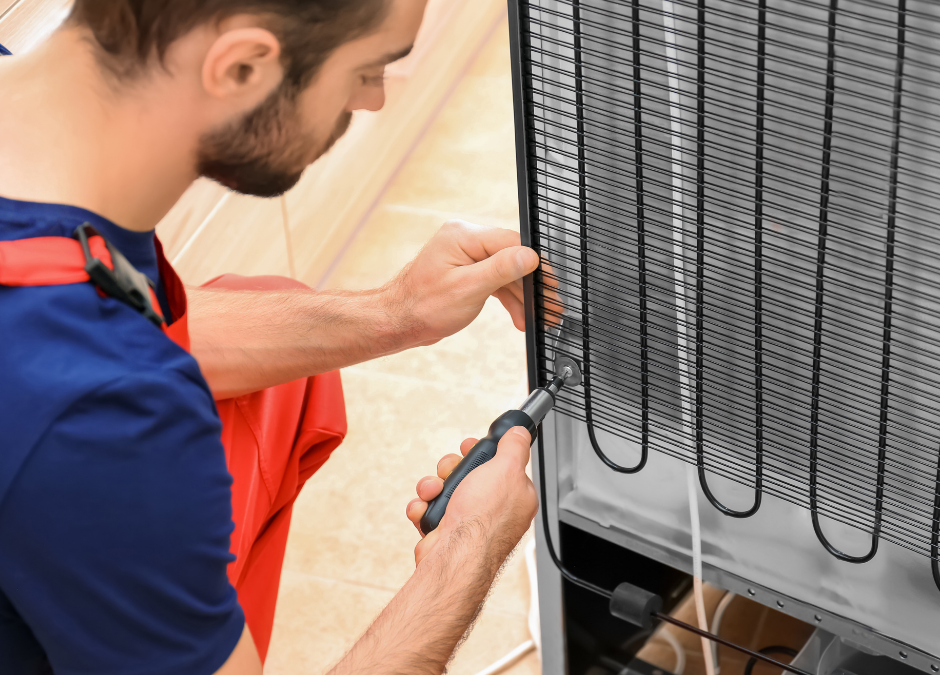
Power down units completely before tackling condenser coils. Brush debris from inside out following airflow direction—never vacuum, as it damages fins. Flush drain lines with 1 cup warm water mixed with 1 tablespoon bleach to prevent clogs from algae growth. Remove ice buildup exceeding ¼ inch from evaporator covers; excessive frost indicates failing door seals or defrost timers. Pro tip: Place a thermometer in the walk-in’s center—not near the door—to log true operating temps. If temperatures fluctuate more than 2°F daily, schedule a refrigerant check immediately.
Fryer Boil-Out Protocol for Oil Longevity
Drain oil completely, then fill the cold fryer with water and degreaser. Heat to 180°F and maintain for 20 minutes—never boil, as it damages tank coatings. After cooling, scrub the interior with non-abrasive pads to remove carbon deposits. Rinse thoroughly with clean water; residual degreaser causes dangerous oil foaming. Dry completely with towels before refilling. Warning: Skipping weekly boil-outs reduces oil life by 40% and risks fire from carbonized grease. Filter oil daily but replace when it turns dark brown or smells rancid.
Monthly Inspections That Catch Hidden Failures
Refrigeration Component Replacement Guide
Test door gaskets monthly by checking magnetism—if they won’t hold a paperclip, replace them immediately. Use a calibrated thermometer to verify display accuracy; adjust thermostats if readings deviate >2°F. Vacuum debris from beneath units where dust blocks airflow to compressors. Critical red flag: If coils require cleaning more than weekly, install air filters in your kitchen to reduce airborne grease.
Cooking Equipment Calibration Secrets
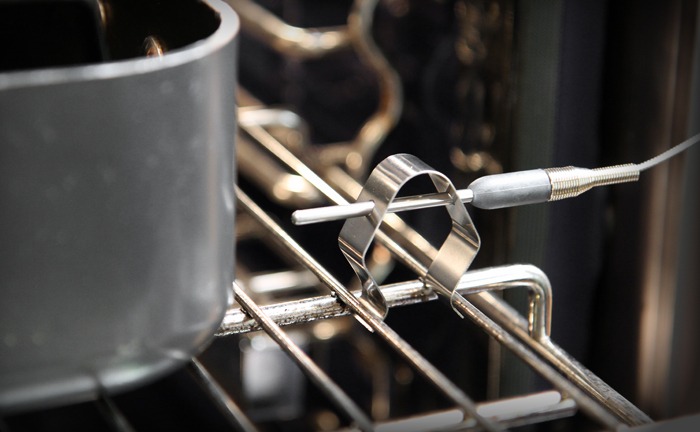
For convection ovens, compare the unit’s display with a calibrated probe placed at rack height. If readings differ >5°F, adjust the thermostat per manufacturer specs. Test fryer high-limit thermostats by slowly heating oil; they must trip automatically at ~400°F. On gas ranges, check burner ports with a straight pin—clogged ports cause uneven heating and wasted energy. Pro tip: Lubricate oven door hinges monthly with NSF H1 food-grade grease to prevent sticking during service rushes.
Quarterly Professional Maintenance You Can’t Skip
Refrigeration System Safeguards
Schedule certified technicians for refrigerant level checks—low coolant strains compressors and spikes energy bills. They’ll test compressor amp draw (excessive draw indicates impending failure) and lubricate fan motors per specs. Non-negotiable: NFPA 96-compliant hood cleaning every quarter. Grease buildup >2,000 microns in ducts creates fire hazards; technicians measure thickness with specialized tools.
Ice Machine Deep-Descaling Protocol
Technicians perform full teardowns using nickel-safe descalers on evaporator plates. They replace water filters showing >15 psi pressure drop (indicating clogging) and inspect evaporator plates for pitting. Urgent trigger: If harvest cycles slow or ice tastes metallic, schedule service immediately—mineral buildup damages pumps.
Troubleshooting Guide for Common Kitchen Emergencies
Refrigeration Warmth: Instant Diagnosis
Symptom: Unit running but food warming.
Immediate action: Clean coils (causes 40% of cooling failures) and test door seal magnetism. If unresolved, check defrost timer operation.
Prevention: Daily coil vacuuming and monthly gasket replacements stop 90% of cases.
Fryer Oil Foaming: On-the-Spot Fix
Symptom: Oil bubbling violently during frying.
Immediate action: Boil-out immediately and filter oil. Check for water leaks from baskets or frozen food.
Prevention: Never add cold items directly to oil; thaw completely first.
Dishwasher Film on Glasses: 2-Minute Cure
Symptom: Cloudy residue after cycles.
Immediate action: Remove wash arms and clear clogged jets with a wire. Verify rinse temperature ≥180°F.
Prevention: Daily jet clearing and weekly acid washes for hard water areas.
Maintenance Documentation That Passes Health Inspections
Digital Log System Template
Create accountability with this minimal-effort tracking:
| Equipment | Task | Frequency | Staff | Last Done | Next Due |
|---|---|---|---|---|---|
| Walk-in Cooler | Temp check/log | Daily | Opening Cook | Oct 2 | Oct 3 |
| Fryer | Boil-out | Weekly | Night Lead | Sept 29 | Oct 6 |
| Ice Machine | Descale | Quarterly | Service Tech | July 15 | Oct 15 |
Why this works: Health departments require dated maintenance records. Logs also reveal patterns—like a fryer needing monthly boil-outs instead of weekly—indicating failing components before catastrophic failure.
Essential Toolkit for 90% of Maintenance Jobs
Stock these non-negotiable items:
– Chemicals: Alkaline degreaser (stainless steel), citric acid descaler (coffee machines), 200 ppm quat sanitizer
– Tools: Soft-bristle brushes, coil cleaning brush, multimeter for electrical checks
– Spare parts: Universal gaskets, fryer o-rings, water filters
Pro tip: Keep a “maintenance caddy” stationed near each major appliance with task-specific tools. A fryer caddy holds degreaser, non-scratch pads, and a thermometer—cutting response time during oil issues.
Staff Training Protocol That Sticks
Creating Maintenance Champions
Assign one “equipment lead” per shift responsible for daily checks. Train them with hands-on sessions: have them perform a fryer boil-out alongside your technician during quarterly service. Post laminated quick-reference cards at each station showing dollar-bill seal tests or burner port clearing. Game-changer: Reward staff who catch issues early—like a dishwasher lead spotting clogged jets before service—with $20 bonuses. This builds ownership and prevents $500+ service calls.
Long-Term Strategy: Turn Maintenance Into Profit
Well-maintained equipment operates 15–25% more efficiently. Clean condenser coils reduce refrigeration energy use by 20%, while calibrated thermostats prevent overcooling. Track monthly repair costs in your logs—if they exceed 40% of replacement value, budget for new units. Profit insight: A $10,000 walk-in cooler maintained properly lasts 15+ years versus 8–10 for neglected units—that’s $700/year saved in replacement costs alone.
Final Takeaway: Consistency Beats Complexity
Preventive maintenance isn’t about perfection—it’s about consistent daily actions. Start tomorrow with the 5-minute morning checklist: verify fridge temps, test door seals, and clear dishwasher jets. Build weekly boil-outs into your closing routine. Within 90 days, these habits will prevent breakdowns during peak service and extend equipment life by years. Your future self (and your accountant) will thank you when competitors are calling emergency technicians while you’re serving flawless meals. Remember: The most profitable kitchens don’t have magic—they have maintenance.