That sticky film around your cabinet handles isn’t just annoying—it’s the first sign of irreversible damage. Steam from boiling pasta, airborne frying oil, and daily fingerprints create a corrosive cocktail that eats away at finishes and warps wood within months. Yet most homeowners only address it when grime turns into permanent stains or hinges start squeaking. The fix? A scientifically validated 10-minute weekly ritual that stops 95% of cabinet damage before it starts. In this guide, you’ll discover the exact cleaning schedule professional organizers use, the four DIY formulas that outperform expensive sprays, and the critical mistakes that turn minor wear into $500 repair bills.
Your cabinets face relentless assault—every cooking session deposits microscopic grease particles that bond with dust within 72 hours. Left unchecked, this creates a concrete-like film impossible to remove without refinishing. But here’s the good news: consistent maintenance prevents 90% of damage. By dedicating just 60 seconds per cabinet weekly, you’ll avoid the dreaded “kitchen cabinet facelift” project later. Let’s transform your neglected storage into the cleanest, longest-lasting part of your kitchen.
Stop Grease Buildup Before It Hardens: The Weekly 10-Minute Routine
Dust First—The 90-Second Step That Saves Hours Later
Grease and dust fuse into an impenetrable layer within days. Skipping dry dusting forces you to scrub through baked-on grime. Use a plush microfiber cloth (never paper towels—they scratch) and work top-to-bottom. Focus on high-contact zones: door edges, handle cutouts, and the often-neglected tops of upper cabinets. This prevents redepositing dirt onto cleaned surfaces during wet wiping.
Wipe Exteriors With Precision: The Dawn Water Method
Never soak surfaces—excess water swells MDF cores in hours. Instead:
1. Mix 1 drop Dawn Ultra in 1 cup warm water (more soap attracts residue)
2. Wring microfiber until just damp (test on inconspicuous area first)
3. Wipe with the wood grain or laminate direction (against the grain creates micro-scratches)
4. Rinse cloth in clean water, do a second wipe, then immediately buff dry with a second cloth
Pro Tip: Time yourself—this takes 4 minutes for 12 upper cabinets. Skip vinegar solutions on melamine; they etch the protective topcoat.
Revive Glass Inserts Without Damaging Frames
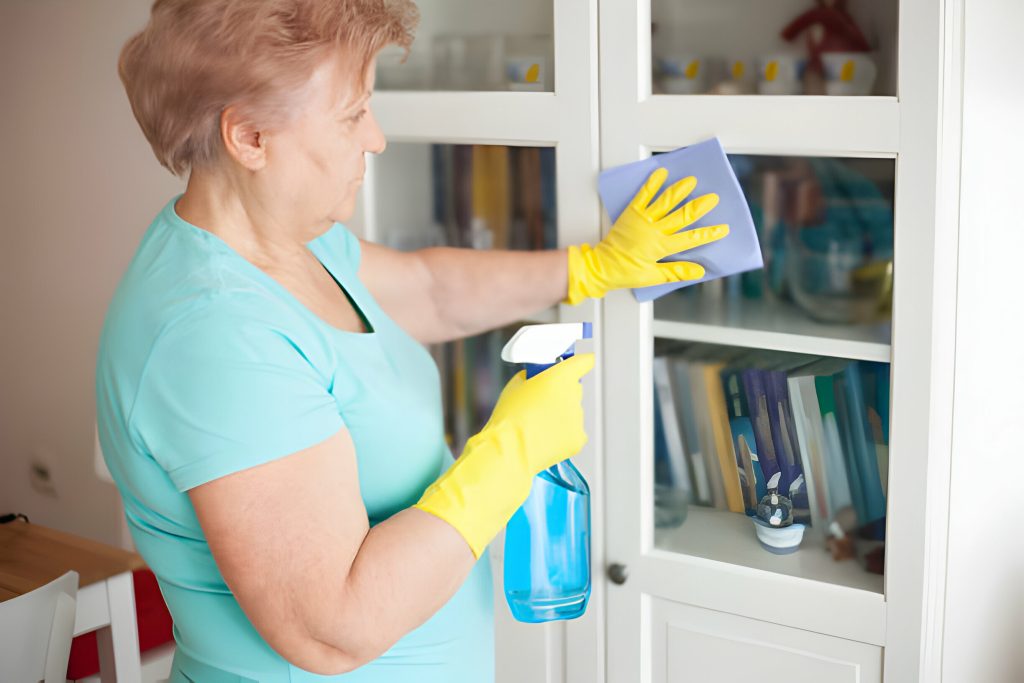
Ammonia-based cleaners eat away at wood finishes through capillary action. Safely clean glass:
– Spray ammonia-free glass cleaner onto a Magic Eraser, not directly on glass
– Use light circular motions only on the glass surface
– Immediately buff with dry microfiber to prevent streaks
Warning: Never use vinegar on UV lacquer or acrylic doors—it causes irreversible clouding.
Deep-Clean Cabinets Without Removing Everything: The Annual 2-Hour Reset
Empty One Section at a Time—Never the Whole Kitchen
Dumping all contents creates chaos and risks damaging items. Work cabinet-by-cabinet:
1. Empty one upper cabinet or single drawer column
2. Vacuum crumbs with a crevice tool before wiping (grit causes scratches)
3. Clean interior, then move to adjacent section
This prevents counter clutter and lets you spot-check for leaks behind plumbing.
Wash Interiors Without Warping Wood
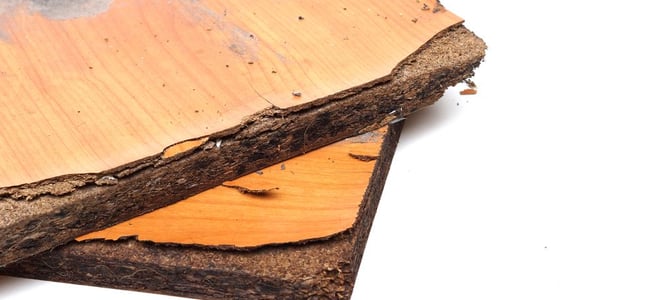
Critical: Moisture left in seams swells particleboard in 48 hours. Follow this:
1. Remove shelf liners; shake crumbs into trash outside
2. Dip cloth in 50/50 vinegar-water solution (test on melamine first—some brands forbid vinegar)
3. Wipe shelves and interior door backs with light pressure
4. Dry immediately with a fresh microfiber cloth—no air drying
Pro Insight: Vinegar’s 5% acetic acid neutralizes cooking odors better than baking soda.
Detox Hardware in 5 Minutes Flat
Squeaky hinges and grimy pulls accelerate wear. Revive them:
– Unscrew knobs/pulls; soak in hot soapy water for 5 minutes
– Scrub crevices with a soft toothbrush (never steel wool—it scratches chrome)
– For sticky hinges: Apply one drop of 3-in-1 oil to the barrel, work the hinge, wipe excess
Avoid WD-40—it attracts dust that gums up mechanisms faster.
Material-Specific Fixes That Prevent $300 Refinishing Jobs
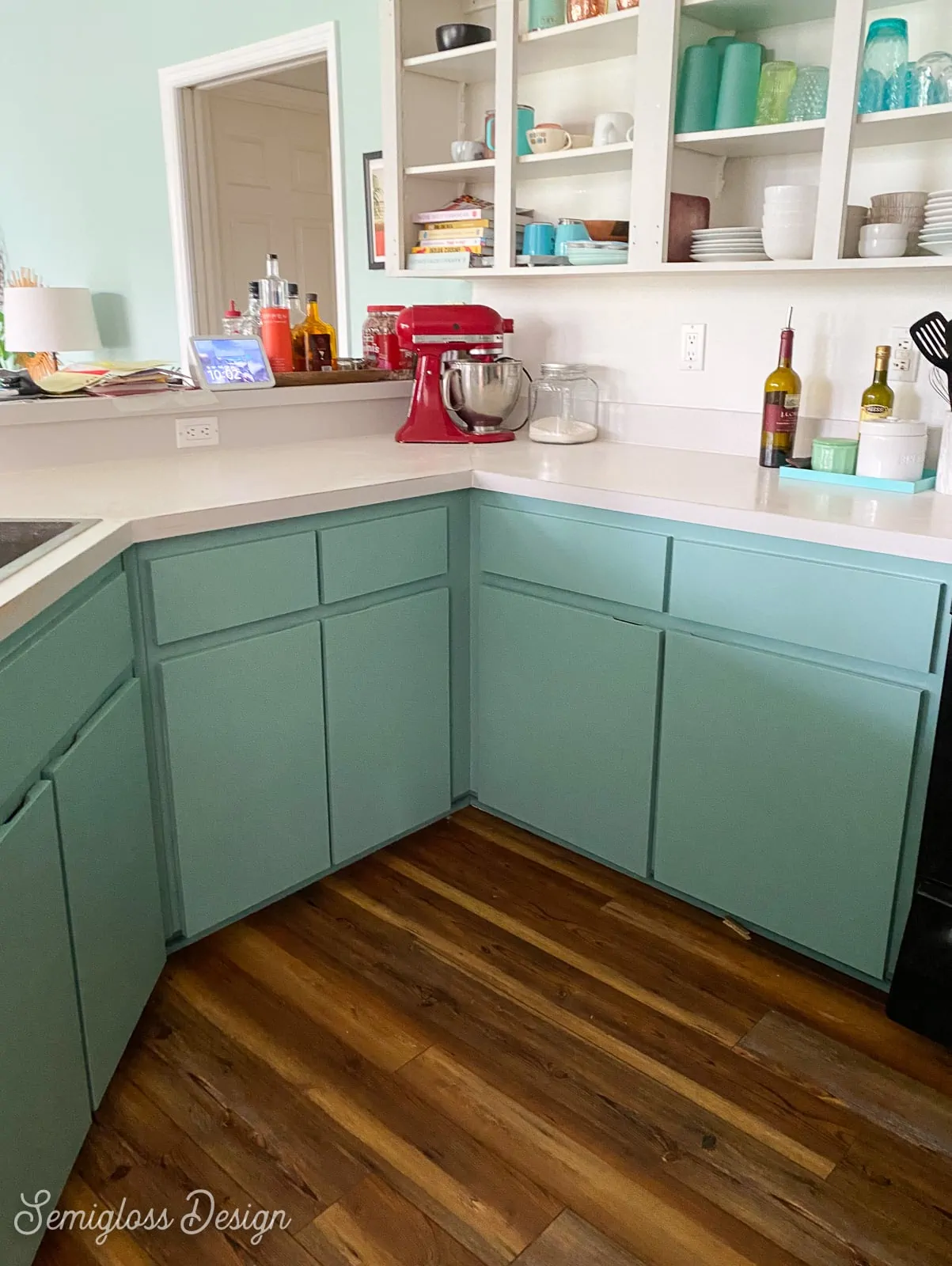
Painted Cabinets: Ban Abrasives or Lose That Glossy Finish
Bleach and baking soda paste dull painted surfaces permanently. For stubborn stains:
1. Make a baking soda paste (1 tbsp soda + 5 drops water)
2. Dab only on stain with cotton swab—never scrub
3. Wipe clean after 4 minutes; rinse with distilled water
Why distilled? Minerals in tap water cause chalky streaks on white paint.
Laminate & Melamine: Skip Vinegar or Risk Etching
Vinegar’s acidity degrades the protective layer on budget cabinets. Safer method:
– Use Dawn solution only (1 tsp per cup water)
– Wipe with the laminate’s directional grain (visible under bright light)
– Never use colored microfiber—it transfers dye onto light finishes
UV Lacquer & Acrylic: Treat Like Camera Lenses
These glossy finishes scratch from improper cleaning. Zero-tolerance protocol:
– Dish soap + water ONLY—no citrus, vinegar, or ammonia
– Microfiber cloth folded into quarters (prevents grit scratches)
– Buff in straight lines, never circles (highlights micro-scratches)
Prevent Catastrophic Damage With These Daily Habits
Slash Airborne Grease by 40% While Cooking
Grease particles embed in cabinet pores during high-heat cooking. Combat this by:
– Running your range hood on medium (not low) while frying
– Using splatter screens on all stovetop cooking—not just bacon
– Keeping stove temps below 350°F when possible (reduces grease vaporization)
Install Finger-Pull Shields on High-Traffic Zones
Natural skin oils darken wood around handles within 6 months. Prevention:
– Apply clear adhesive film only to pull contact points (not full doors)
– Replace film every 3 months during deep cleans
Skip integrated finger pulls—they collect 3x more grime than knobs.
The 2-Minute Weekend Habit That Stops Buildup
Schedule this after trash day:
1. Dry-dust all exteriors (90 seconds)
2. Spot-clean handles with Dawn solution (60 seconds)
3. Buff with dry microfiber (30 seconds)
This prevents the “invisible bond” where grease fuses with cabinet material.
Fix Common Problems Before Calling a Carpenter
Erase Yellowing on White Painted Cabinets
Grease + sunlight chemically alters white paint pigments. Try this before repainting:
1. Deep clean with Dawn solution
2. If yellow persists, apply Howard Orange Oil (for wood only)
3. Buff with dry cloth—oil lifts embedded grease without stripping paint
Note: True yellowing from UV exposure requires repainting—oil only helps grease stains.
Silence Squeaky Hinges in 60 Seconds
Dripping sounds mean hinge barrels are dry. Do NOT:
– Spray lubricant directly (attracts dust)
– Over-apply oil (causes sticky buildup)
Correct method: One drop of 3-in-1 oil on a toothpick, applied inside the hinge joint. Wipe excess immediately.
Repair Swollen Laminate From Spills
Waterlogged edges peel within days. Act fast:
1. Blot excess moisture with paper towel
2. Place fan blowing across (not into) the cabinet for 24 hours
3. If swelling remains, sand gently with 220-grit paper, then apply matching filler
Your 60-Second Cabinet Maintenance Commitment
Dust weekly with a dry microfiber cloth. Wipe spills immediately with a Dawn-dampened cloth. Deep-clean one cabinet section monthly—never the whole kitchen at once. Lubricate hinges quarterly with 3-in-1 oil. Store heavy pots on lower shelves to prevent door sag. Follow this, and your cabinets will resist warping, fading, and grime for 15+ years—no refinishing required. The cost? Less than 10 minutes per week to save hundreds in future repairs. Start tonight: wipe your handle zones before bed, and wake up to cabinets that look showroom-new.