
That sinking feeling when you lift your rice cooker lid to discover hard, crunchy grains instead of fluffy perfection is all too familiar for home cooks. Nearly 68% of rice cooker users have faced undercooked rice at least once, but here’s the good news: most cases are completely fixable without starting over. Whether you’re dealing with stubborn jasmine rice that won’t soften or sushi rice that’s still chalky after the cooking cycle, you can rescue your meal with these proven techniques. This guide reveals exactly how to fix uncooked rice in your rice cooker and prevent future cooking disasters—no culinary degree required.
The key to fixing undercooked rice lies in understanding why it happened in the first place. Unlike mushy or burnt rice, which require different solutions, undercooked rice can typically be salvaged with precise water addition and controlled reheating. By the end of this guide, you’ll know exactly how to transform rock-hard grains into perfectly cooked rice, plus master prevention strategies that guarantee flawless results every time.
How to Identify Undercooked Rice vs Other Failures
Undercooked rice has unmistakable characteristics that set it apart from other rice cooking problems. The grains remain hard or crunchy throughout, even after all visible liquid has disappeared from your rice cooker. When you taste a few grains, they’ll have that distinct raw, starchy flavor rather than the tender texture you expect. Visually, the rice appears dried out rather than wet or mushy.
Critical distinction: Undercooked rice differs significantly from watery rice (where grains have absorbed too much liquid and become soft or split) and burnt rice (which has a toasted flavor and darker color). Misidentifying the problem leads to incorrect fixes that make matters worse.
Simple Test to Confirm Undercooked Rice
Grab a few grains from different depths in your rice cooker and pinch them between your fingers. Undercooked rice will resist pressure and feel solid, while properly cooked rice yields easily and splits into tender pieces. If the grains still have a white opaque center when you break them open, they need more cooking time and moisture.
Why Your Rice Cooker Leaves Rice Uncooked: 4 Common Causes
Water Ratio Mistakes by Rice Type
The most frequent culprit is using the wrong water-to-rice ratio for your specific grain variety. Long-grain rice like jasmine or basmati needs 1.5 cups water per cup of rice, while short-grain sushi rice only requires 1.125 cups. When you use the same ratio for all rice types, undercooking becomes inevitable. Brown rice varieties demand even more water—up to 2.25 cups per cup—due to their fibrous bran layer.
Premature Lid Lifting Destroys Steam Balance
Every time you lift the lid to check progress, you release crucial steam that extends cooking time by 2-3 minutes per peek. Three lid lifts during a cooking cycle can add 5-7 extra minutes needed for proper doneness. Modern rice cookers complete the cycle automatically, making lid lifting completely unnecessary and counterproductive.
Temperature Control Failures in Older Models
Cooking at excessive heat causes water to evaporate before grains fully hydrate, leaving you with dry, hard rice despite following timing instructions. This scenario occurs frequently with older rice cookers that develop hot spots or uneven heating elements. The automatic shut-off mechanism triggers before the rice has properly absorbed moisture.
Overloading Your Rice Cooker Capacity
Rice cookers perform optimally when filled between 25-75% capacity. Exceeding this range creates cooking inconsistencies where bottom layers overcook while upper portions remain underdone. Most home rice cookers handle 2-8 cups uncooked rice effectively—anything beyond requires multiple batches.
3 Immediate Fixes for Hard Rice in Your Cooker
Add Water and Reheat Method (Best for Most Situations)
When you discover undercooked rice, immediately add up to ½ cup water evenly across the surface (for standard 3-6 cup batches). Distribute the water gently using a rice paddle to avoid breaking grains. Close the lid securely and restart your rice cooker on the lowest heat setting.
Critical step: Let it run for 5-10 additional minutes, then test doneness. If your cooker automatically switches to “warm” mode, manually restart the cooking cycle once to ensure adequate steam generation. Resist the urge to increase temperature—this creates hot spots that burn bottom grains while leaving top portions undercooked.
Precision Water Measurement Technique (For Delicate Rice Varieties)
For exact measurements that prevent over-saturation, add 2 tablespoons water per cup of uncooked rice originally used:
- Calculate your original uncooked rice amount
- Measure 2 tablespoons water per cup
- Sprinkle water evenly across rice surface
- Use a fork to gently fluff and distribute
- Cover and cook on low for 5-8 minutes
This technique works particularly well with premium rice varieties where texture precision matters, such as basmati or arborio.
Low-Heat Steam Recovery (For Rice Cookers Without Manual Controls)
When your rice cooker lacks manual settings, transfer rice to a heavy-bottomed pot. Add calculated water (2 tablespoons per cup uncooked rice), cover tightly, and place over very low heat for 5-10 minutes.
Pro tip: After turning off heat, let rice rest covered for 3-5 minutes. This resting period allows moisture to distribute evenly throughout the grains, eliminating any remaining hard centers without risking overcooking.
Prevent Undercooked Rice Forever: 3 Proven Strategies

Master Water Ratios by Rice Type (Print This Cheat Sheet)
Create a reference card for your kitchen with these exact ratios:
– Long-grain white rice (jasmine, basmati): 1.5 cups water per cup rice
– Medium-grain white rice: 1.25 cups water per cup rice
– Short-grain white rice (sushi, arborio): 1.125 cups water per cup rice
– Long-grain brown rice: 2 cups water per cup rice
– Short-grain brown rice: 2.25 cups water per cup rice
When uncertain, add an extra ¼ cup water. Excess moisture drains easily through a strainer, but you cannot add hydration to undercooked rice without restarting the cooking process.
Implement Strict Lid Discipline
Develop a no-peek policy during cooking—modern rice cookers complete the cycle automatically. If you must check progress, wait until the cooker switches to “warm” mode naturally, and even then, resist stirring (this breaks grains and releases starch that creates gummy texture).
Optimize Batch Sizes for Even Cooking
Cook rice in quantities your cooker handles best—typically 2-8 cups uncooked rice for standard models. For large gatherings, cook multiple smaller batches rather than one massive portion. Divide ingredients and cook sequentially for consistently perfect results.
Troubleshoot Specific Undercooking Scenarios
Automatic Shut-Off Problems (Common in Newer Models)
When your rice cooker completes the cycle prematurely, immediately add 2 tablespoons water per cup uncooked rice and restart the cooker. The second cycle typically completes successfully since the rice has already begun absorbing moisture.
Large Quantity Cooking Failures
For batches exceeding 6 cups uncooked rice:
1. Cook maximum 4 cups per batch
2. After cooking, let rice rest 10 minutes undisturbed
3. Fluff gently with rice paddle from bottom to top
4. Repeat process with fresh water ratios for remaining rice
High-Altitude Adjustments
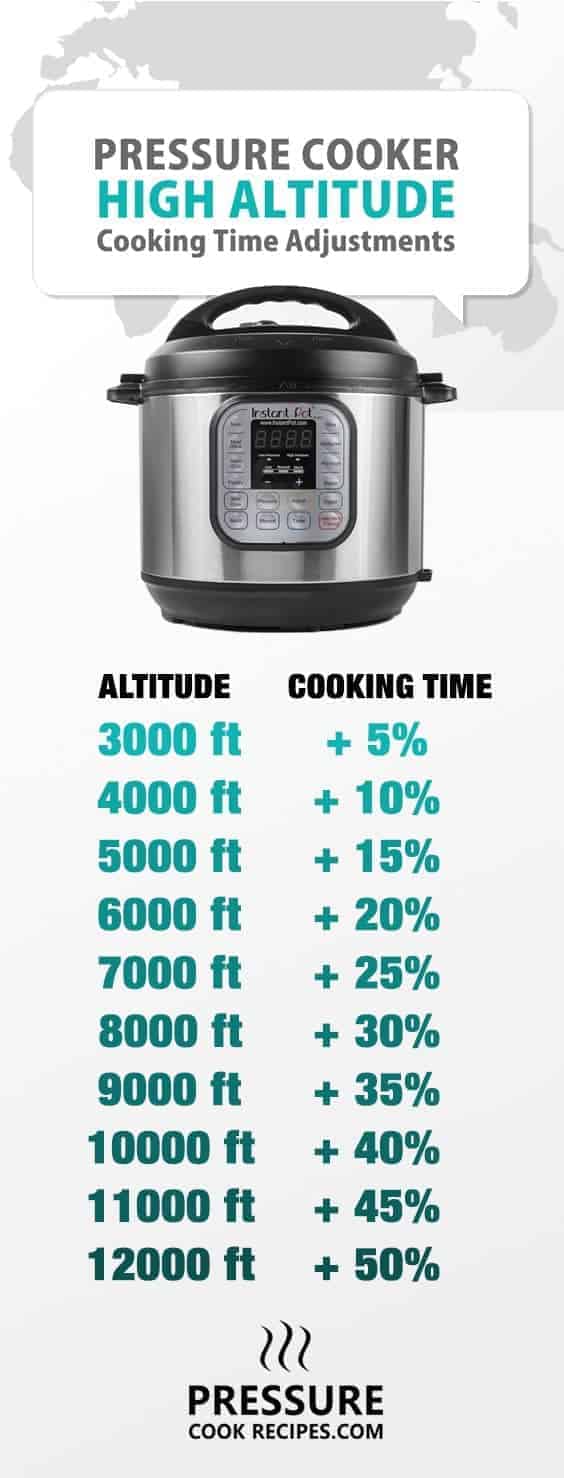
When cooking above 3,000 feet elevation, add an extra 2-3 tablespoons water per cup uncooked rice. Extend cooking time by 3-5 minutes through manual restart if needed, as lower atmospheric pressure affects boiling points.
Final Quality Check Before Serving
After remediation, test rice from multiple depths within the cooker. Properly fixed rice tastes tender throughout with no hard centers. Individual grains should separate easily without excessive sticking or mushiness.
Texture verification: Press a grain between your thumb and forefinger. Fully cooked rice yields immediately and shows no opaque white center. If any hardness remains, add another tablespoon water and repeat the gentle heating process.
Long-Term Success Strategies
Store leftover rice properly—transfer to shallow containers and refrigerate within two hours. When reheating, sprinkle 1-2 tablespoons water per cup cooked rice and microwave covered for 1-2 minutes to restore moisture.
For consistently perfect results, consider upgrading to a rice cooker with fuzzy logic technology. These models automatically adjust cooking parameters based on rice type and quantity, virtually eliminating undercooking issues.
Remember: undercooked rice rarely indicates a broken cooker—it usually signals a need for ratio adjustment or better technique. With these proven methods, you’ll transform every batch into restaurant-quality rice that perfectly complements any meal, saving time, money, and dinner plans. The next time your rice cooker delivers hard grains, you’ll know exactly how to fix uncooked rice in your rice cooker with confidence.